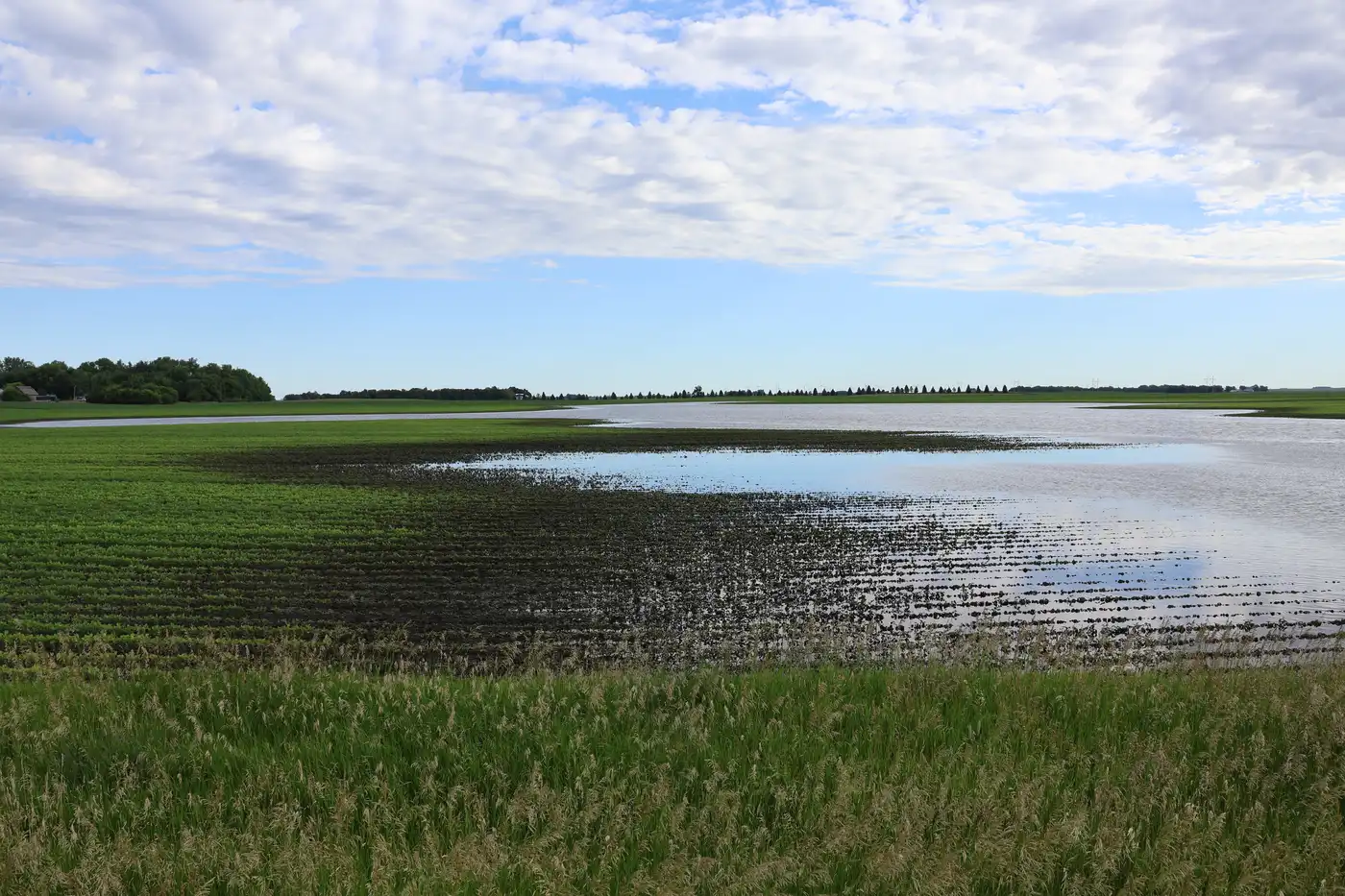
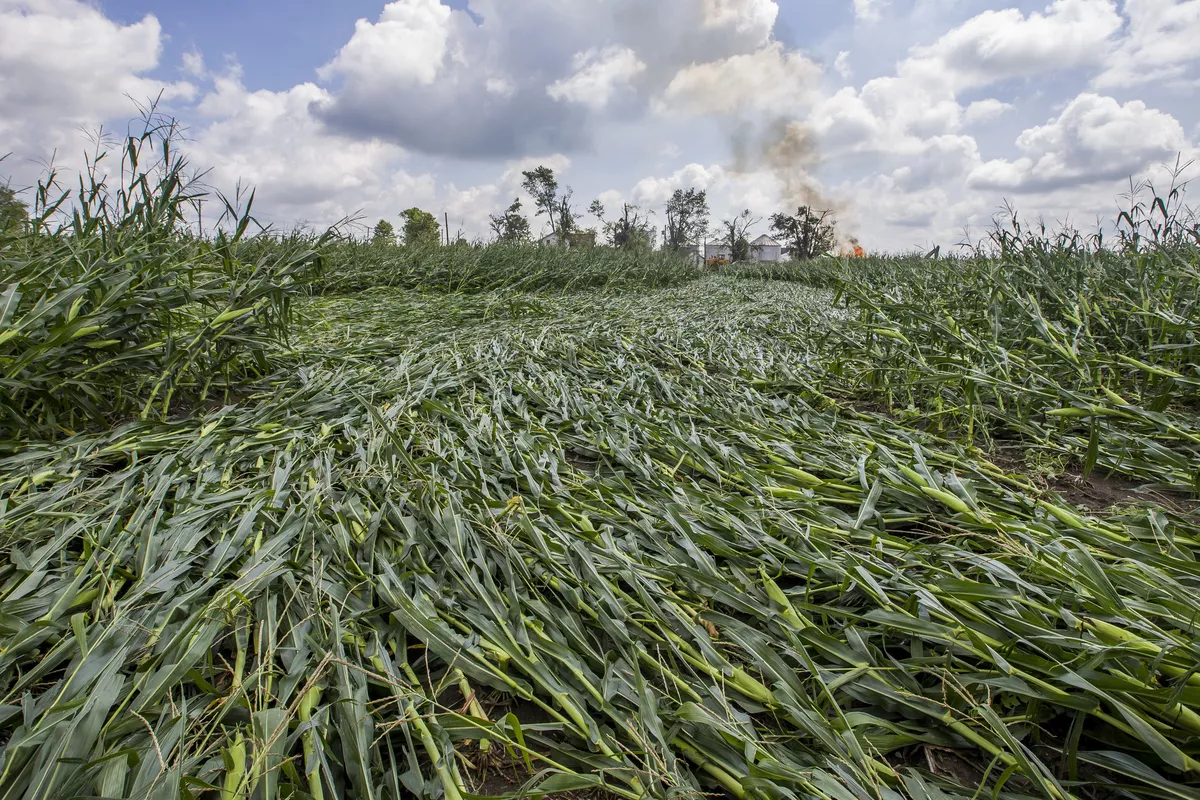
After two devastating floods that struck several districts of Punjab following heavy rainfall in July and August, the state government announced compensation of Rs 6,800 per acre for paddy crop loss. However, the amount fell woefully short of addressing the harsh reality on the ground. Some farmers estimated their losses at Rs 70,000 per acre. They argued that the flood’s impact extended far beyond the loss of seedlings.
It also affected the timely resowing of crops or, in some cases, prevented re-plantation due to stagnant water in their fields. These floods exemplified that farmers’ plight was not an isolated incident but part of a recurring pattern caused by unpredictable weather, changing climate, and the constant risk of natural disasters.
Even during the Rabi season, farmers faced significant losses to their wheat crops in the past two years. In 2022, a sudden rise in temperature in March, a month before harvesting, led to grain shriveling, resulting in farmers facing losses of 5-6 quintals per acre. In 2023, unseasonal rains during the wheat harvesting period damaged crops over a large area. These incidents underscore the pressing need for Punjab to establish a comprehensive crop insurance policy that at least give a semblance of certainty in an uncertain era.
Has Punjab ever implemented the Pradhan Mantri Fasal Bima Yojana (PMFBY)?
Punjab government sources said the state has never made any efforts to implement the scheme, which was launched in February 2016. Even neighboring Haryana also adopted it recently. Under the PM Fasal Bima Yojana, 40 per cent of the insurance cost is shared equally between the central and state governments, with farmers contributing the remaining 20 per cent. For instance, in Haryana, paddy insurance costs Rs 96,371 per hectare and farmers are required to pay Rs 1,927.42. For cotton and maize crops, the insurance amount is Rs 98,595 and Rs 49,421 per hectare, and farmers contribute premiums of Rs 4,929 and Rs 988 per hectare, respectively.
Why has Punjab not adopted this policy?
Successive Punjab governments have rejected the central policy, arguing that it is not suitable for the state. They have pledged to introduce their own crop insurance policy, but as of now, no such policy has been implemented.
Experts contend that Punjab’s conditions differ from those of other states that face significant losses due to drought and other factors. Punjab’s farmers manage to protect their crops even in drought-like conditions, thanks to the presence of over 15 lakh tube wells and free power supply to these tube wells. However, the absence of an insurance policy leaves them vulnerable to extensive losses.
Is there a need for crop insurance in Punjab?
Experts said that Punjab, once recognised as the “Granary of India” and lauded for its Green Revolution, now requires a well-structured crop insurance policy. Such a policy would provide farmers with the security they need, offering financial support during times of crisis and enabling them to rebuild their livelihoods without falling into crippling debt. Additionally, it would promote sustainable farming practices and risk mitigation, making Punjab’s agriculture more resilient in the face of climate change, as emphasised by a senior professor at Punjab Agriculture University (PAU), Ludhiana.
What is the way forward?
Experts suggest that rather than adopting the central PMFBY, the state government should design its own insurance policy in collaboration with government insurance companies. Also if there is no claim of insurance by the farmers then farmers should get some bonus for their contribution. This approach will not only provide security to farmers but also create employment opportunities while minimising the risk of fraud.
Experts added that central government’s participation in supporting Punjab’s crop insurance policy is also needed, given the state’s pivotal role in producing grains for the nation over the past five decades. As agriculture may be a state subject but Union ministry of consumer affairs, food and public distribution purchase grains from the state.
Apart from crop insurance, a robust disaster management fund should be available to compensate farmers promptly in an event of crop loss due to natural or weather-related calamities, in case of farm related accidents of farmers or farm workers, loss of live stocks, said experts.
“While government compensation is insufficient in the face of extensive losses, the burden of insurance policies should not weigh heavily on farmers. Implementing a well-structured crop insurance policy will provide a safety net for Punjab’s farmers, protecting them from the unpredictable forces of nature,” said Jagmohan Singh, general secretary of BKU (Dakuanda).
Source - https://indianexpress.com