The increment in paddy procurement resulted in an increase in the central pool stocks of unmilled paddy as of 1st December by 41% month-on-month to 37.15 million MT, it remains 4% higher year-on-year. Meanwhile, rice stocks in the central pool were 11.54 million MT, which is 30% lower month-on-month and 46% lower year-on-year. The price outlook for rice remains bullish in the short to medium term.
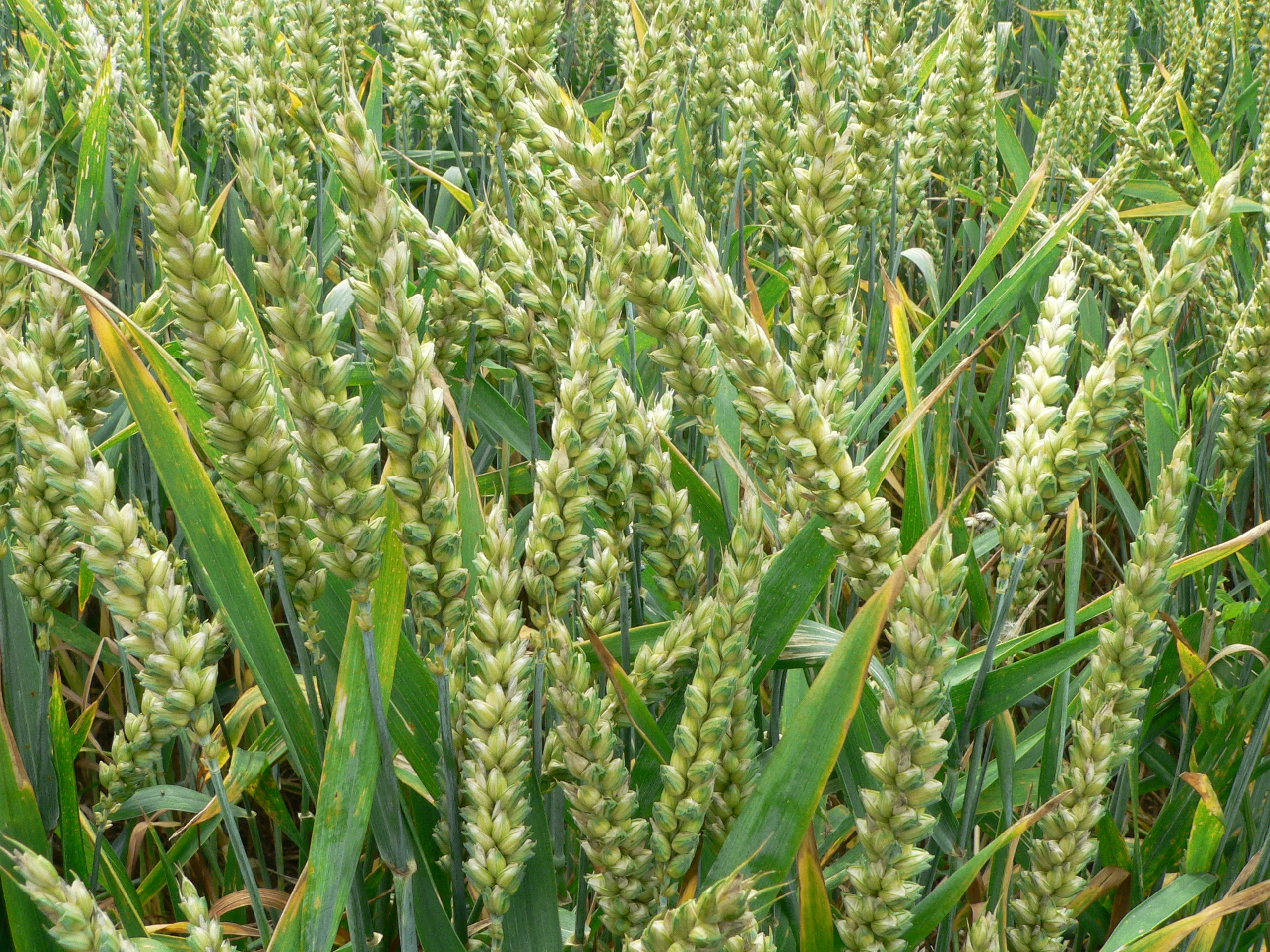
India's wheat production for crop year 2023-24 is expected to increase in the range of 10-13% from the previous year, thanks to the higher sowing progress amid better subsoil moisture left by the late-season rains. The increase in wheat acreages is attributed to the record-high wheat prices throughout the year 2022 which encouraged the farmers to switch to wheat.
Wheat prices are trading near Rs.2935 per quintal higher by 35% from the same period the previous year, it is trading 38% higher than the minimum support price (MSP) of Rs. 2125/quintal. However, the only caveat which may impact the wheat crop yield is the above-normal temperatures in the previous weeks, but the recent turnaround in weather with coldwave and dip in temperatures across the northern part of India may boost the crop health.
Recently, the stock situation with the central pool is tight with about 19.03 million MT stock available as of 1st December which is 10% lower month-on- month and 50% lower year-on-year. We expect by the end of March 2023 wheat stocks would be around 11 million MT, which is 3.54 million MT higher than the buffer norm. Wheat prices would trade bullish in the short term and are likely to touch Rs. 3100 per quintal. Prices would start cooling off once there is clarity on the new crop size in the later months.
In the feed grains segment, maize is the largest crop in India. India's maize production for the kharif crop of 2022-23 declined by 2.1% year-on-year to 21.31 million MT from the previous year production of 21.95 million MT.
Production declined in the key maize growing states of Madhya Pradesh by 2%, Karnataka by 7%, Uttar Pradesh by 5%, Maharashtra by 1% and Telangana by 24% while production increased in Rajasthan by 3%. The reason for lower production is poor yields in the key producing districts of Madhya Pradesh, Karnataka, Telangana, Maharashtra and Uttar Pradesh due to heavy rainfall in October resulted in damage in the standing crops.
Meanwhile, the rabi season maize sowing is progressing well and the acreage remains higher by 22.7% year-on-year at 13.47 Lakh Ha. Higher acreages amid conducive weather is hinting for a higher rabi maize production this year which would offset the production loss of Kharif season up to some extent.
On the other hand, domestic demand is expected to grow by 2% year-on-year with demand an uptick in demand from the poultry and starch industry. On the trade front, maize exports would drop by about 1 Million MT year-on-year to 2.50 million MT as the Southeast Asian nations would shift to the South American corn due to their competitive quotes. Maize prices would trade firm in the short term in the range of Rs. 2200 to Rs. 2300 per quintal.
The second most important feed grains which is used in the cattle and poultry feed is bajra. The production of bajra in this kharif season was 9.56 million MT, 8% higher than the previous year. Production increased in the states of Rajasthan, Uttar Pradesh, Haryana and Gujarat. On the consumption front, bajra consumption increased by 4% year-on-year in which the feed demand increased by 3% and food demand increased by 4% year-on-year. Bajra prices would trade firm in the range of Rs. 2100 - Rs.2160 per quintal.
In the feed meal segment, soybean meal is widely used as a source of protein in the poultry industry in India. In the crop year 2022-23, soybean meal production in India is estimated at 8.5 million MT, higher by 23.5% year-on- year. Higher soybean production coupled with higher carryover stocks from the previous year and positive crush margins are likely to keep the soybean meal production on the higher side.
On the domestic demand front, feed consumption is expected to grow by 2.5% year-on-year to around 6.70 million MT. On the trade front, soybean meal export from October to November 2022 was 2 lakh MT, higher by 48% from the same period last year.
The total export commitment to date was around 2.5 to 3 lakh MT. Soybean meal exports for the entire 2022-23 is estimated at 1 million MT, up by 0.34 million MT from the previous year. Soybean meal prices would trade bullish in the short term in the range of Rs. 41,500 to 43,500 per MT.
Source - https://economictimes.indiatimes.com