The year 2022 brought huge loss to Karnataka in terms of human life, infrastructure and farm production due to natural disasters -- heavy rain, floods and sea erosion -- which experts say is due to global warming, a man-made mess.
Post the Covid-19 pandemic earlier this year, there was the hope of a revival in infrastructure development and agricultural productivity, which was almost stagnant since the 2021 lockdown.
Pre-monsoon showers began early, in the last week of March, bringing much glee to the farming community, but experts say it was an environmental disaster as indicator species, like amphibians, mistook the early showers for the monsoon and began the breeding season.
However, the rainfall fizzled out after farming preparations began, and started playing hide and seek, with the drizzle and delay drying the earth. Fears of a drought loomed large across the state in both dry areas and the Western Ghats.
When the monsoon returned in July, the agriculture and horticulture sectors were badly hit. Sowing done in early April and May had either dried up or plants were infected by pests. Rainfall continued, though it was severe in drier areas and was termed ‘below normal’.
The districts of Gadag, Koppal. Ballari, Raichur, Kalaburagi, Tumakuru, Bengaluru, Chikkaballapur, Kolar, Davangere, Chitradurga, Haveri, Vijayanagara, Vijayapura, Bagalkot witnessed heavy rainfall, while Uttara Kannada, Dakshina Kannada, Udupi, Belagavi, Shivamogga and other places got deficit rainfall. In August, Gadag, Bengaluru, parts of Uttara Kannada and Dakshina Kannada came under high-intensity rain which brought flash floods.
Kumta-based senior scientist Prof MD Subhash Chandran says, “Rainfall has become highly unpredictable. There was high-intensity sporadic rainfall in many places. It began three years ago and is increasing. It doesn’t mean the total quantity of rainfall has increased but is exceptionally high on a single day.”
Dakshina Kannada, Gadag, Koppal, places like Binaga near Karwar, where the INS Kadamba Naval Base is housed, and parts of Bhatkal taluk witnessed such incidents in the first week of August. On August 3, Bhatkal received record rainfall of 533mm, leading to floods, sea erosion, loss of road infrastructure, bridges, canals and property, and human casualties in 27 districts, where close to 200 villages were hit and more than 30,000 people were affected.
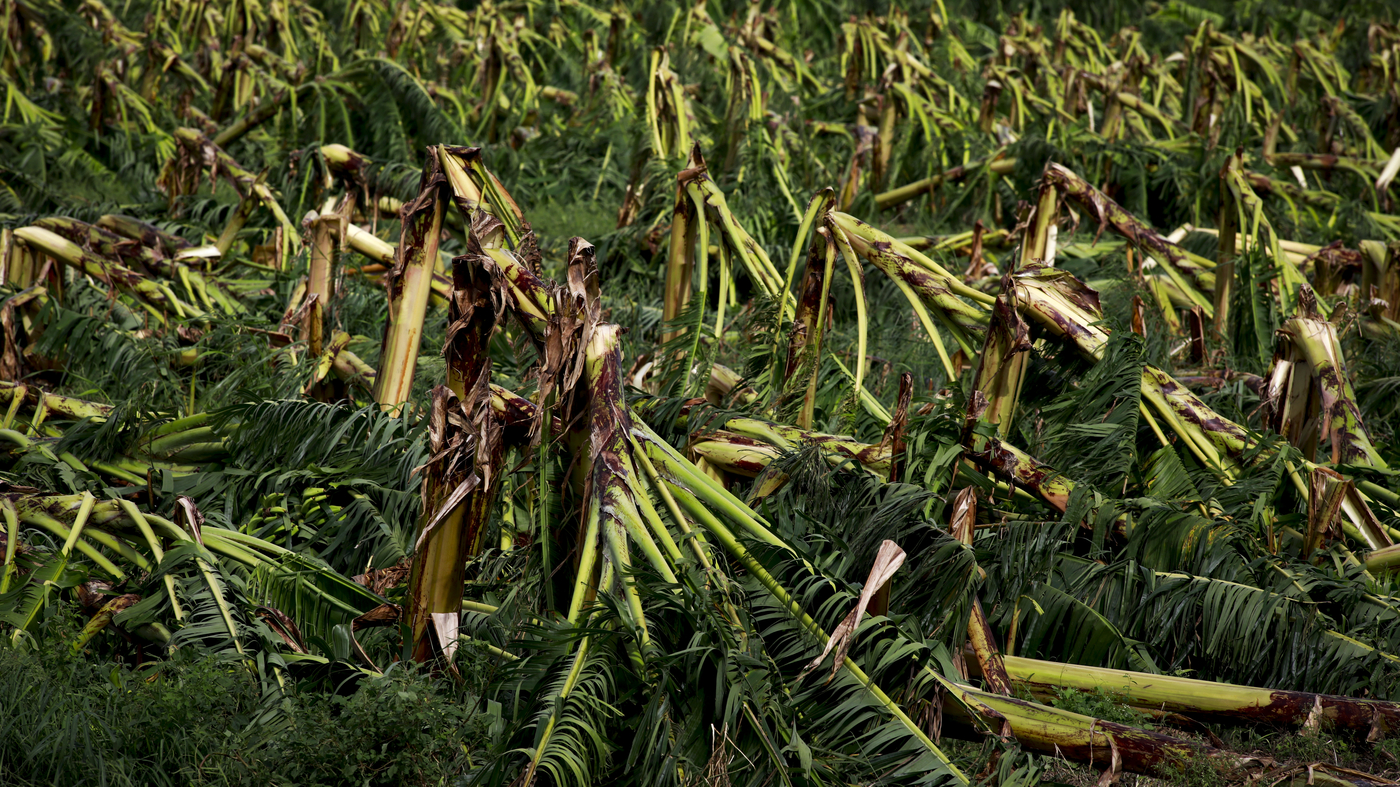
Over 100 people died due to floods, rain and landslides. In August, about 6 lakh hectares of crop were lost due to irregular rainfall, and about 35,000 houses were either completely or severely damaged. According to the government, the total loss was Rs 7500 crore this year.
Dryland regions which usually receive scanty rainfall, like Tumakuru, Chikkaballapur, Chitradurga, Koppal, Ballari and Raichur received heavy rainfall, which severely damaged crops.
“Farmers grow chilli, particularly Byadagi chilli, which is lucrative. Rainfall was good, but began again at harvest time, so the crop began to rot or was infected by pests. It was the same with green gram, Bengal gram and toor dal, due to severe change in temperature,” said Anand Teertha Pyati, the agriculture expert.
According to him, this is due to changes in weather conditions over the past three years. “The only crops that survived were maize and cotton,” he said. TV Ramachandra, senior scientist, Energy and Wetland Research Centre, Centre for Ecological Sciences, IISc, said it is linked to land use change. Floods, and landslides in Uttara Kannada, Dakshina Kannada and other places is due to climate change. Deforestation and unplanned development are the root cause. Mitigation measures should be part of planning,” he said.
Source - https://www.newindianexpress.com