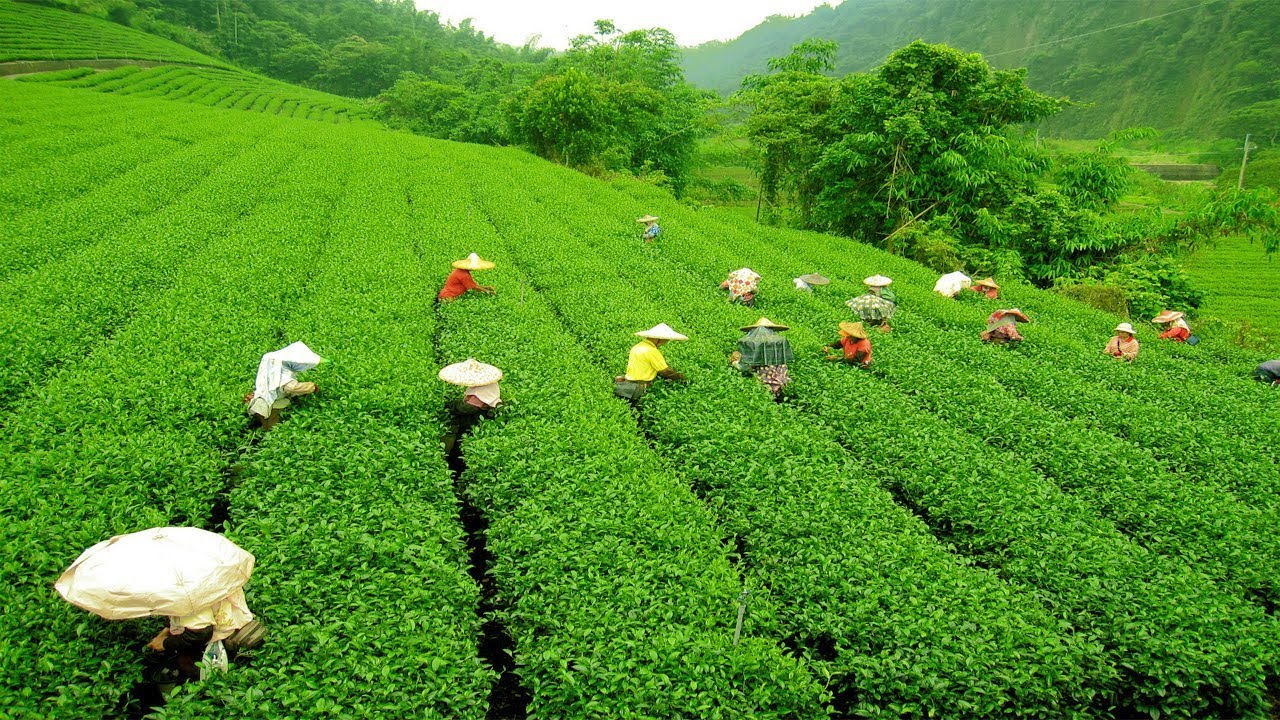
The Darjeeling tea industry, which has already been reeling under financial crisis, is now staring at a crop loss for its premium first flush tea due to vagaries of the weather.
Unfavourable weather conditions prevailing in the hills have delayed plucking of the first flush, which marks the start of a new season, by around two weeks. Plucking generally starts from March 14-15.
“Plucking has just started in different regions of the hills after receiving some showers. All the gardens have not witnessed rainfall so far. Gardens, located in different altitudes, are still suffering due to dry weather. Next seven to ten days are very crucial for the industry. If all the gardens do not receive rains in the next 7-10 days, then there would certainly be significant crop losses,” Chamong Group Chairman Ashok Kumar Lohia told businessline.
40% of yearly revenue
The first flush crop in the Darjeeling hills, known as the world’s most expensive tea, constitutes around 20 per cent of the total production in the hill town in a calendar year. Because of its high quality and price, this premium tea accounts for around 40 per cent of annual revenue for Darjeeling tea producers.
“Prospects of the first flush tea are not so good this year. Some damages have already been done due to the dry weather conditions. Some gardens have received rainfalls. However, some of the famous gardens are yet to receive showers,” said Indian Tea Exporters Association (ITEA) chairman Anshuman Kanoria.
Notably, the production of Darjeeling tea fell below 6 million kgs (mkg) last year, and it could be the lowest output in recent history. The production was hit hard by adverse weather conditions and falling demand.
Exports up 9.9%
Darjeeling tea production stood at 5.60 mkg in 2024 compared with 6.01 mkg in 2023, according to Tea Board of India data.
In the overseas markets, shipments of Darjeeling tea are generally around 3-3.25 million kgs annually. Europe and Japan are the two large overseas markets for this premium tea, the first product to get a geographical identification (GI) tag in India.
India’s overall tea export grew 9.9 per cent year-on-year to 254.67 million kgs last year from 231.69 million kgs during 2023.
“In black tea shipments globally, quantity-wise India became the second largest exporter last year, surpassing Sri Lanka. Kenya remained the highest exporter. China is basically a green tea producer and exporter. If we consider total tea exports, including green tea, then India becomes the third largest after Kenya and China,” said Dipak Shah, Chairman, South India Tea Exporters Association.
Last year, Kenya and Sri Lanka exported around 500 million kgs and 245.78 million kgs of black tea. China exported around 370 million kgs of tea, of which around 84.2 per cent was green tea, said Joydeep Phukan, secretary, Tea Research Association.
Rising imports a concern
Although India’s tea export increased significantly in 2024 amid geopolitical tensions, rising import is a matter of great concern, according to tea industry insiders.
“The major concern for the Indian tea industry is net export did not increase much last year due to higher imports from the overseas markets. Import has almost doubled. These are mostly unchecked imports and these cheap teas are being exported as Indian tea. It is hurting the Indian tea industry,” an industry expert said requesting anonymity.
“Cheap imports are taking place from countries like Kenya, Iran, Vietnam and Nepal,” he added.
“Our exports increased, but also imports touched around 45 million kgs last year. It is mostly from Kenya. These are all cheap teas. We will have to see whether it is coming to the domestic market or its is being re-exported,” Indian Tea Association Chairman Hemant Bangur told businessline.
Source - https://www.thehindubusinessline.com