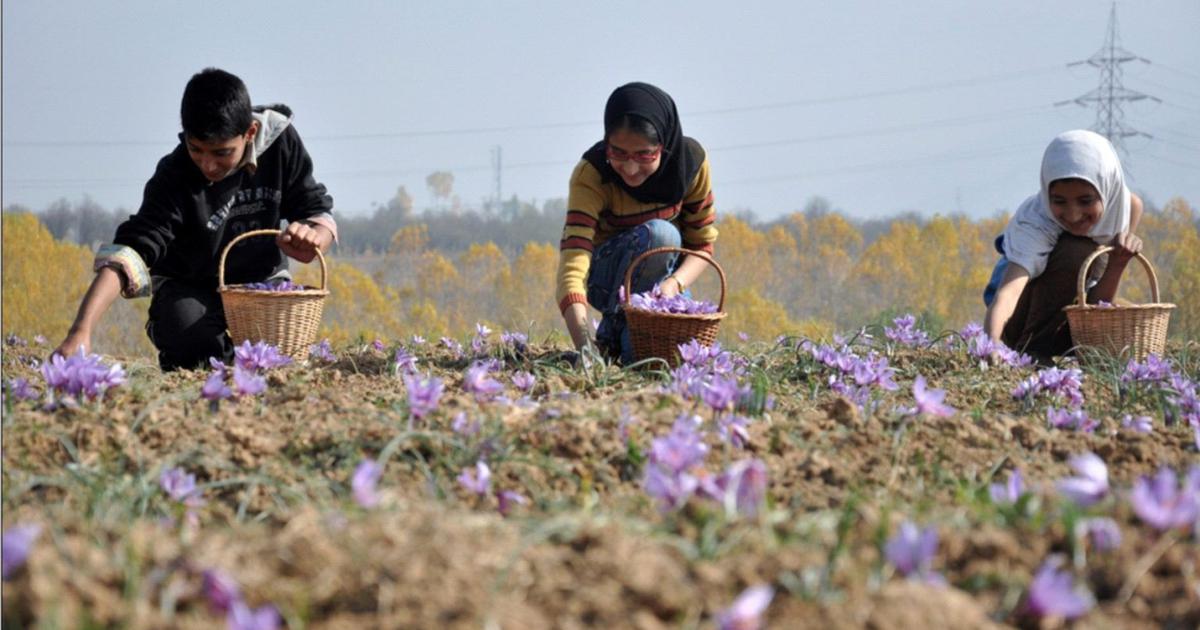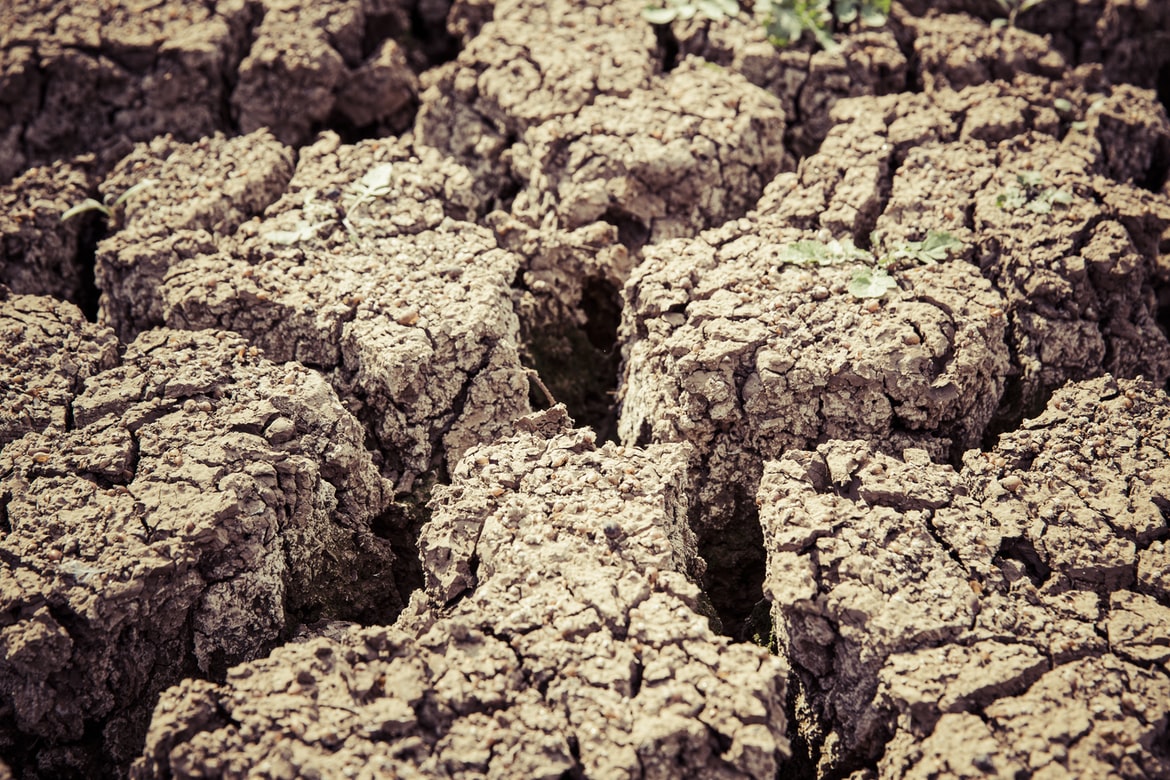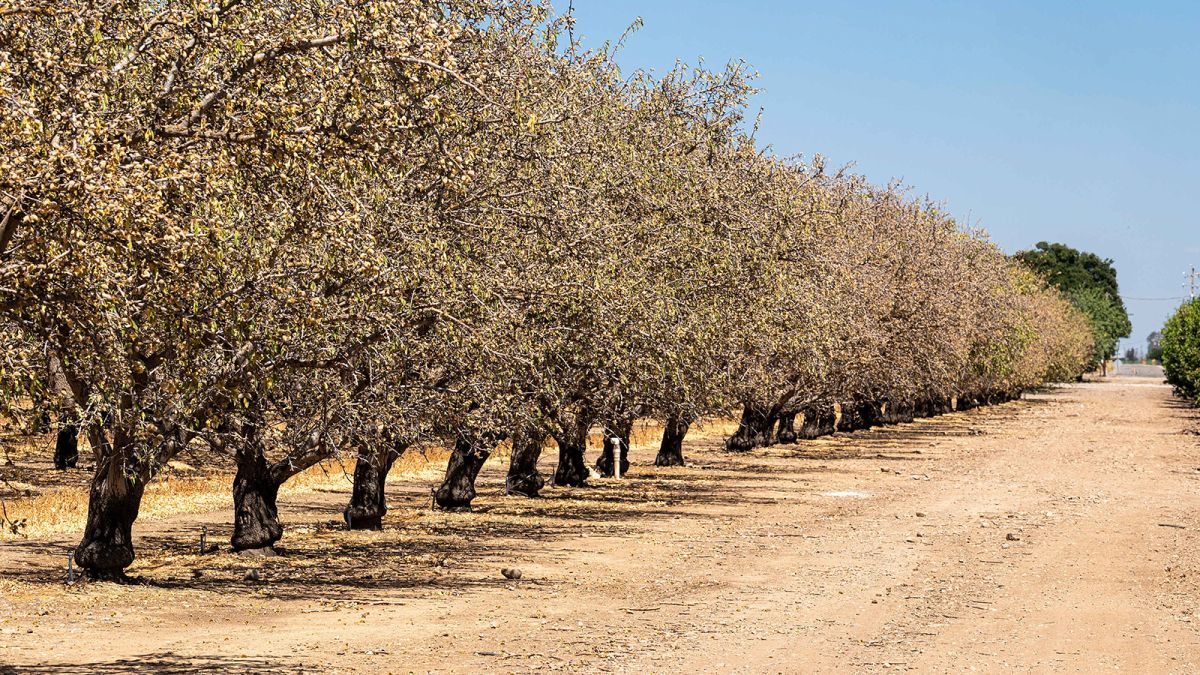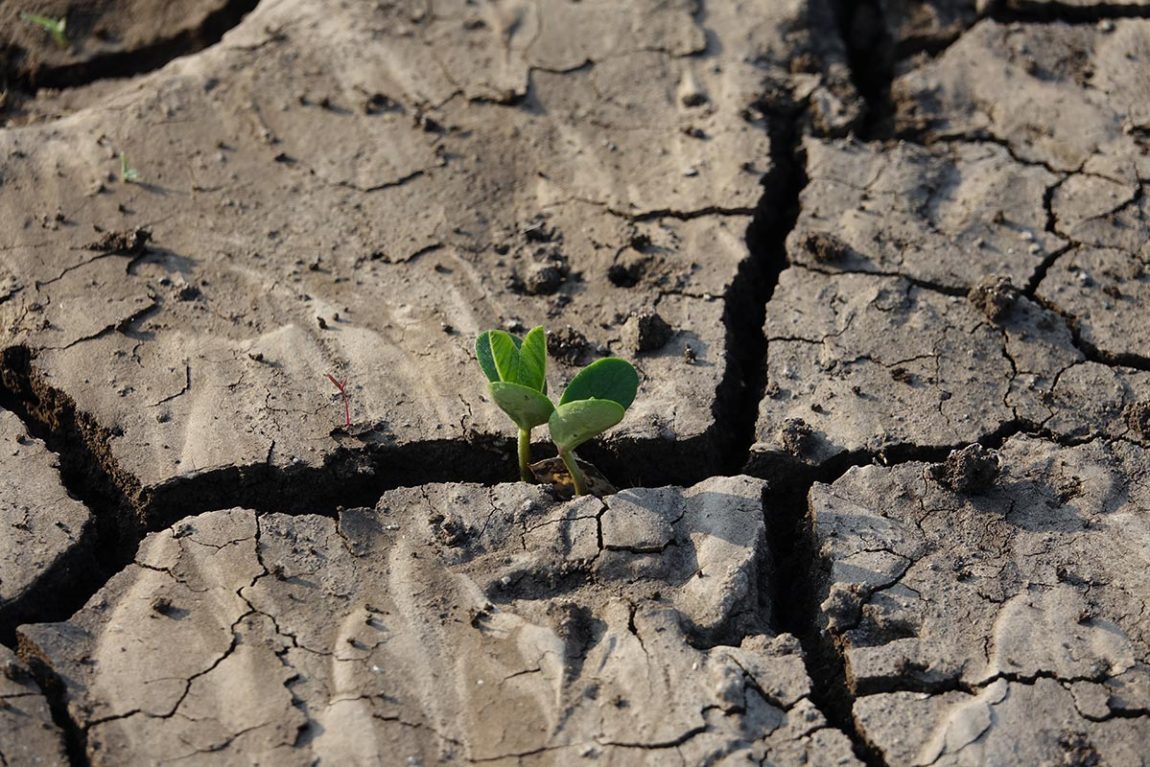
Andhra Pradesh is preparing for a potentially difficult water and agricultural season as the State faces significant rainfall deficiency and declining water availability, with Chief Minister N. Chandrababu Naidu urging officials, legislators and farmers to prepare for the impact of El Niño.
Speaking during a discussion on the El Niño situation in the Legislative Assembly, Naidu stressed that greater public awareness, scientific water management and changes in cropping patterns would be essential to minimise the impact of rainfall shortages.
According to the assessment presented by the Chief Minister, Andhra Pradesh was expected to receive around 867 mm of rainfall between June and December 2026, but the actual rainfall could be approximately 557 mm. Some districts reportedly experienced rainfall deficits of as much as 68% in July, while deficits of around 35% were anticipated for August and September, followed by 25% in October and 20% in November. December, however, was projected to record about 1% excess rainfall.
Reservoirs under pressure
The rainfall shortage is already affecting water availability across several river basins, with major reservoirs and irrigation projects witnessing critically low inflows.
The Srisailam reservoir, which normally receives around 753 TMC of water, had received only about 214 TMC this year, according to the Chief Minister. Reduced rainfall has also affected inflows into Srisailam and Nagarjuna Sagar, while the Godavari basin is facing a similar decline in water availability.
Naidu highlighted the importance of the Pattiseema project, which was designed to transfer Godavari water towards the Krishna Delta and optimise water resources available in Pulichintala, Nagarjuna Sagar and Srisailam.
Around 500 TMC of Godavari water has previously been transferred through Pattiseema, supporting irrigation across more than 13 lakh acres. The government is now working to transfer an additional 40 TMC through the project.
The Chief Minister said the available water must be utilised carefully, with drinking water receiving the highest priority, followed by industrial requirements and agricultural needs.
Farmers urged to reconsider paddy cultivation
The water situation is forcing the government to encourage farmers to reconsider water-intensive crops.
Naidu specifically advised farmers in the Krishna region to avoid paddy cultivation in view of the anticipated water shortage and instead consider horticulture and crops capable of withstanding drought conditions.
The Krishna Delta, along with areas covering Prakasam, Nellore, Rayalaseema and extending towards Chennai, requires approximately 121.4 TMC of water, according to the assessment presented in the Assembly.
The Chief Minister asked MLAs and other public representatives to communicate the changing conditions directly to farmers so that sowing decisions can be aligned with actual water availability.
Agriculture and inflation concerns
The potential impact of El Niño is not restricted to agricultural production.
The Chief Minister warned that a prolonged rainfall deficit could also contribute to inflation, particularly if the availability of agricultural commodities is affected.
Paddy cultivation has reportedly declined by around 1.14 lakh hectares, while areas under maize, groundnut and millets have also fallen, with pulses being an exception.
Horticultural production could face challenges in Rayalaseema, while banana and chilli cultivation in southern Andhra and cashew and coconut plantations in northern parts of the State could also be affected by adverse weather and water conditions.
Crop insurance coverage expands
The government has placed particular emphasis on crop insurance as a financial safety net for farmers.
Naidu directed MLAs and officials to ensure that all eligible farmers and crops are brought under the insurance programme before the end-August deadline.
According to the figures presented by the Chief Minister, 19.50 lakh farmers enrolled for crop insurance last year. This year’s enrolment has increased to 35.17 lakh farmers.
Non-loanee participation has also risen sharply—from approximately 2 lakh farmers during the previous Kharif season to 20.35 lakh this year.
The insured agricultural area has expanded from 7.83 lakh hectares to 15.17 lakh hectares, while crops valued at approximately ₹13,983 crore have been covered.
Andhra Pradesh, according to the Chief Minister, now ranks fifth nationally in the value of crops insured.
Naidu also said the present government had cleared pending liabilities after the previous government failed to pay its share of crop-insurance premiums.
Dairy sector also on the government’s radar
The possible drought-like conditions could affect livestock and dairy production as well.
The government plans to establish 20,000 Gokulam sheds during the year and is focusing on ensuring adequate fodder availability.
The Chief Minister noted that a large number of rural families depend on dairy activities for their livelihoods, making protection of livestock and maintaining milk production particularly important during a water-stressed period.
Five-point strategy to tackle El Niño
The State government has prepared a five-point strategy aimed at increasing awareness and reducing the economic impact of the weather situation.
The plan focuses on:
- Strengthening Raitanna Meekosam action committees at the grassroots level.
- Ensuring comprehensive crop-insurance enrolment among eligible farmers.
- Sowing fodder seeds in high-risk areas to protect livestock.
- Implementing Jaladhara-2 measures for improved water management.
- Reducing the difficulties faced by farmers while pursuing the State’s GSDP objectives.
The government has also prepared a short-term action plan specifically aimed at managing the emerging El Niño-related challenges.
Water security now a shared responsibility
The Chief Minister’s message places the immediate focus on conservation, judicious allocation of available water and agricultural adaptation.
For Andhra Pradesh, the challenge is not simply about how much rain falls from the sky. It is increasingly about how effectively every available unit of water is stored, transferred and used.
With reservoirs under pressure and several agricultural regions facing potential rainfall shortages, the coming months will test the State’s ability to coordinate irrigation management, crop planning, insurance protection and rural support.
For farmers, the message is equally clear: crop selection must follow water availability, not the other way around.
And for the government, the success of the five-point strategy will ultimately depend on how effectively its plans reach the fields and the families whose livelihoods depend on them.
Source - https://ibgnews.com