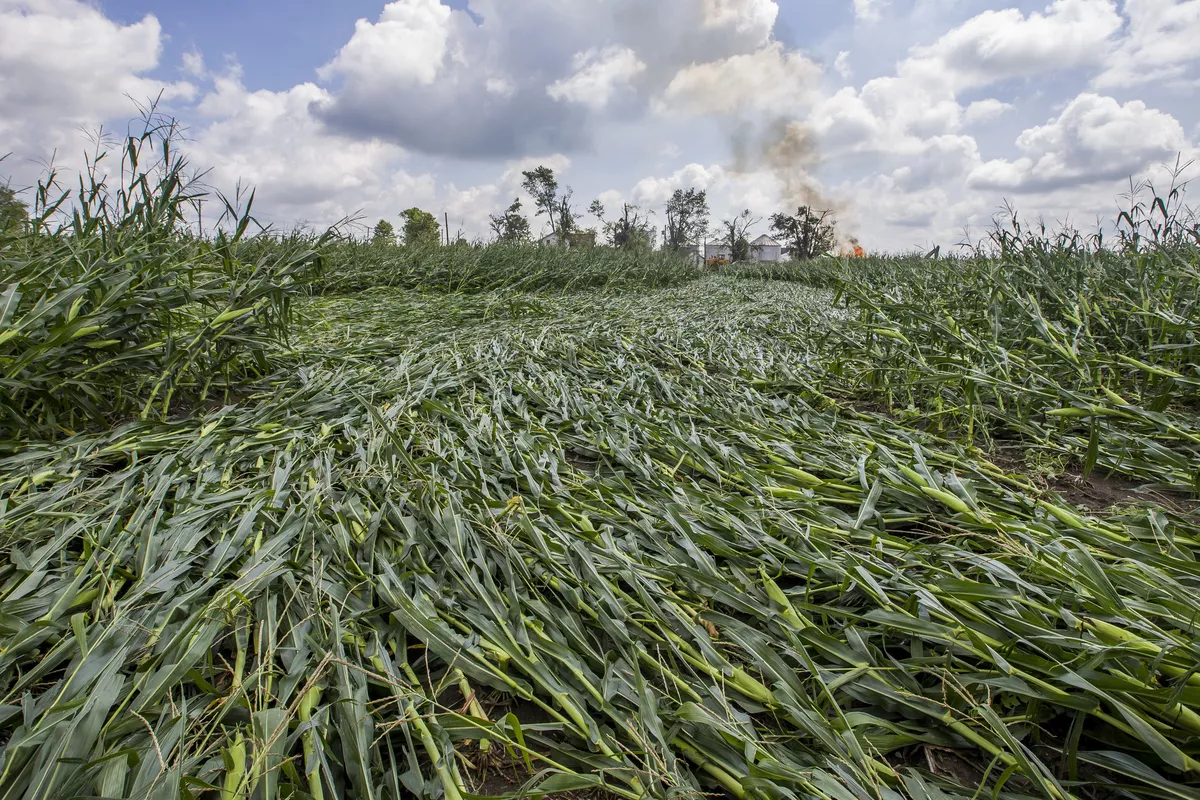
The local apple production in India will see a significant decrease this season. Mudasir Tak, founder of Pinevalley Agrifarms, states that heavy rains have complicated the apple season in multiple ways: “Apple cultivation is mostly prevalent in the Kashmir Valley and Himachal Pradesh, with Kashmir accounting for more than 70 per cent of the total output. This year, the harvest is lower by more than 40 per cent, due to extreme weather. Extended rains in Kashmir valley led to heavy fungal Scab disease, which took away a lot of the produce and led to additional B and C grade material. Heavy rains also played spoilt sport in Himachal and in addition to the weather related decrease in harvest, the weather also led to the blocking of critical highway routes for transferring of the produce to market. As a result, produce was wasted in the farms. Overall the output is down by 45 to 50 per cent this season.”
As a company, Pinevalley Agrifarms will be importing apples to compensate for the lower production, Tak explains. “We are one of the major growers in the high density apples and with the global marketing experience of the founding management team, our role in the sector is all the more important. We’re working on import varieties like Gala and many club variety apples, and are trying to strengthen our local production in world class standards with a clear focus on building a brand.”
As consumers in India have more money to spend, they are more willing to buy better quality apples, Tak says: “Indian consumers have evolved over the years and demand for quality and new apples has gone up considerably. With the rising middle class and disposable income, the consumer is now ready pay the premium for a good product. As such, the wholesale price of apples, cross variety, has gone up from 50 cents per kg to around 70 cents per kg. For locally grown varieties like Gala, the price is even 1.5 USD per kg.”
Tak feels that the regular suppliers of apples to the Indian market will have their work cut out for them this year, and expects a steady inflow of apple imports this year: “Imports will have a role to play this year. The import basket of Indian apples has been consistent and even growing marginally over the past years and been in excess of 400,000 MT. Rising duties have reined the import growth, but not stopped it. As with any shortage, there will be a good inflow of apples from Europe, the US and countries like Turkey. There has been a lot of prebooking of produce early on and we will see a lot of imported produce, in absence of the local product.”
“The conventional imports into India are from USA, Europe, Turkey and some Eastern EU countries. Serbia and Poland will grow their share this year, and so will Turkey. Our Government imposed the CFR price ceiling to curb the dump loads from countries like Iran and it will be interesting to see how that works out. But with a bullish demand and net gap in the available produce, we believe that the price ceiling will have no impact in this season.”
Significant price increases for the apples produced in India last year will remain in the current season, Tak explains: “Apple prices are up 50 per cent for the local crop and this year the price will continue to remain strong for good quality apples. Since the local production has a lot of grade B among it, the average pricing may indicate a different picture. However, generally the grade A apples will show an increase in price. Market prices have seen a slight correction with small inflows from Himachal Pradesh, but we expect the market to remain strong. The local delicious varieties from Kashmir will come around 20th September, but the expected volumes of good quality are way lower than in previous years. There is a net vacuum for the Gala variety and there is nothing left in the local production and with negligible stored product for local Gala.”
The price for imported apples is also increasing, just as it was last year. “The import arrivals will only pick up from October onwards, with early arrivals from countries like Serbia. Prices for imported apples have also increased by 20 to 30 per cent, with the same expectation that demand is bullish. Last year’s import prices went very high and the exporters are expecting similar demand and pricing for the current season,” Tak concludes.
Source - https://www.freshplaza.com