India’s Union Minister for Agriculture and Farmers’ Welfare and Rural Development, Shivraj Singh Chouhan, has outlined a series of policy measures aimed at strengthening farmers’ incomes and risk protection, including crop diversification, record procurement at Minimum Support Price (MSP), reforms in crop insurance, and stricter monitoring of agricultural schemes.
Responding to questions from Members of Parliament in the Lok Sabha, Chouhan said the government led by Prime Minister Narendra Modi is encouraging farmers to move away from tobacco cultivation and adopt alternative crops that offer sustainable and profitable returns.
According to the minister, the government has identified a range of crops suited to regions traditionally dependent on tobacco cultivation. These include hybrid maize, chilli, sweet potato, cotton, potato, chia, feed beans, cowpea, ragi, red gram, sugarcane, soybean, sorghum and groundnut. The objective is to ensure farmers maintain stable cash incomes while shifting to more sustainable cropping patterns.
Focus on Integrated Farming
Chouhan noted that the majority of Indian farmers operate on small landholdings, making reliance on a single crop particularly risky. To address this challenge, the government has been promoting integrated farming models that combine multiple agricultural and allied activities.
Under these models, farmers can diversify into cereals such as wheat and paddy alongside vegetables, fruits, livestock, fisheries, beekeeping, goat rearing and agroforestry. Such diversification, he said, helps generate more stable and year-round income streams for farm households.
Strengthening MSP Procurement
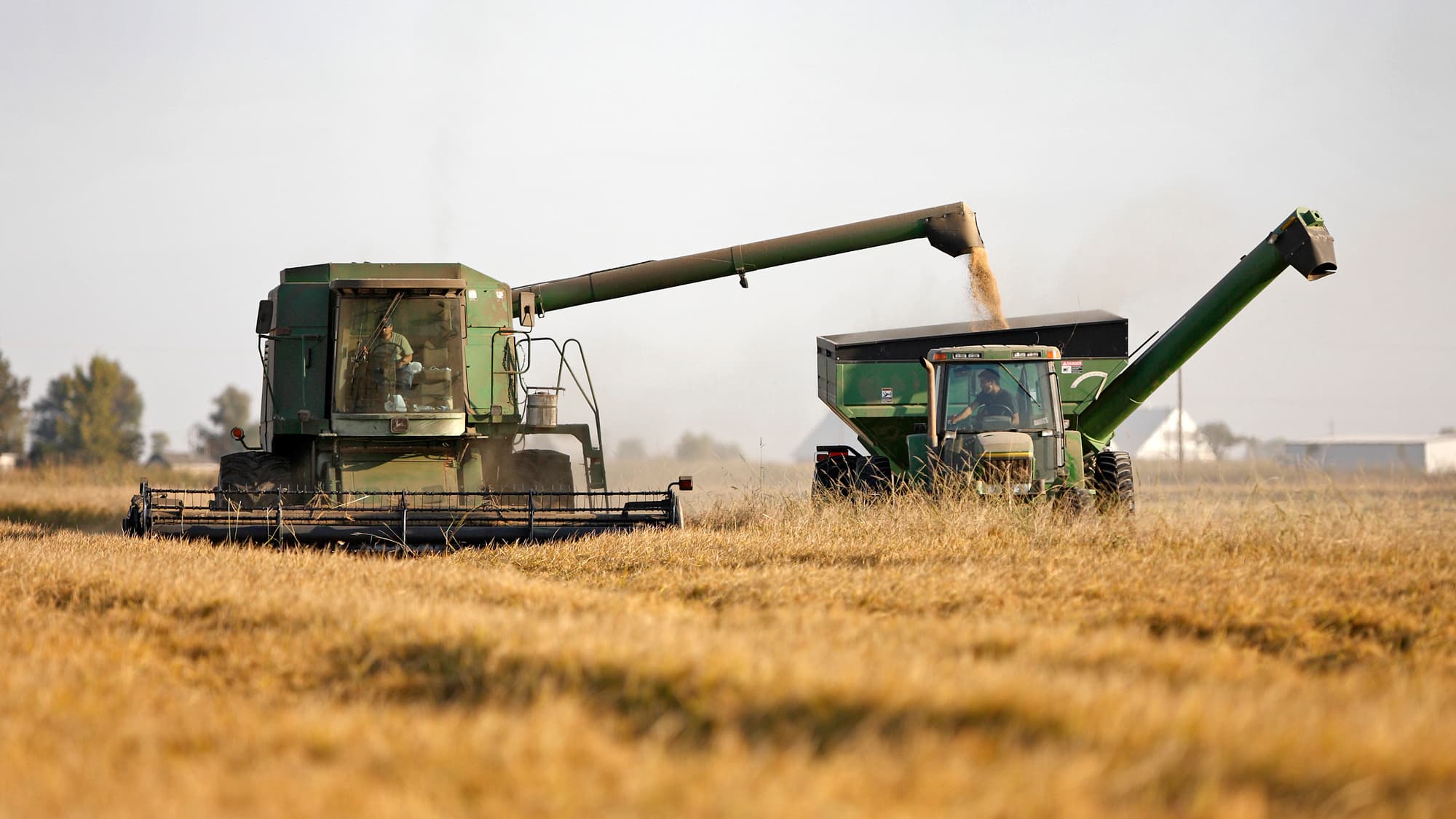
The minister also highlighted the government’s efforts to ensure remunerative prices for farmers through enhanced MSP procurement. MSP levels for major crops, including wheat, paddy, pulses and oilseeds, have been increased, while procurement operations during the current season have reached record levels.
Special arrangements have been introduced for pulses such as tur, masoor and urad, enabling registered farmers to sell any quantity of produce to the government at MSP. The measure is intended to provide stronger income security for pulse growers and encourage higher domestic production.
Faster Compensation Under Crop Insurance
Chouhan also detailed reforms introduced in the Pradhan Mantri Fasal Bima Yojana, the government’s flagship crop insurance scheme.
Previously, farmers often experienced long delays in receiving compensation for crop losses. Under the revised provisions, insurance companies are required to compensate farmers even if crop damage affects a single individual farmer. Furthermore, once yield data is available, if the claim amount is not credited to the farmer’s account within 21 days, insurance companies and state governments must pay the amount along with 12 per cent interest.
Stronger Monitoring and Transparency
The minister said the government has also established stricter oversight mechanisms to ensure transparency in scheme implementation. Complaints received through digital platforms, including the Krishi Rakshak Portal, are being reviewed carefully and action is taken wherever irregularities are detected.
He added that in several states, particularly Rajasthan, large sums under crop insurance schemes have been transferred directly to farmers’ bank accounts through the Direct Benefit Transfer (DBT) system in recent years.
Chouhan emphasised that these policy initiatives collectively aim to build a more resilient agricultural ecosystem in which farmers benefit from improved incomes, better risk protection and greater transparency in government support mechanisms.
Source - https://businessnewsthisweek.com