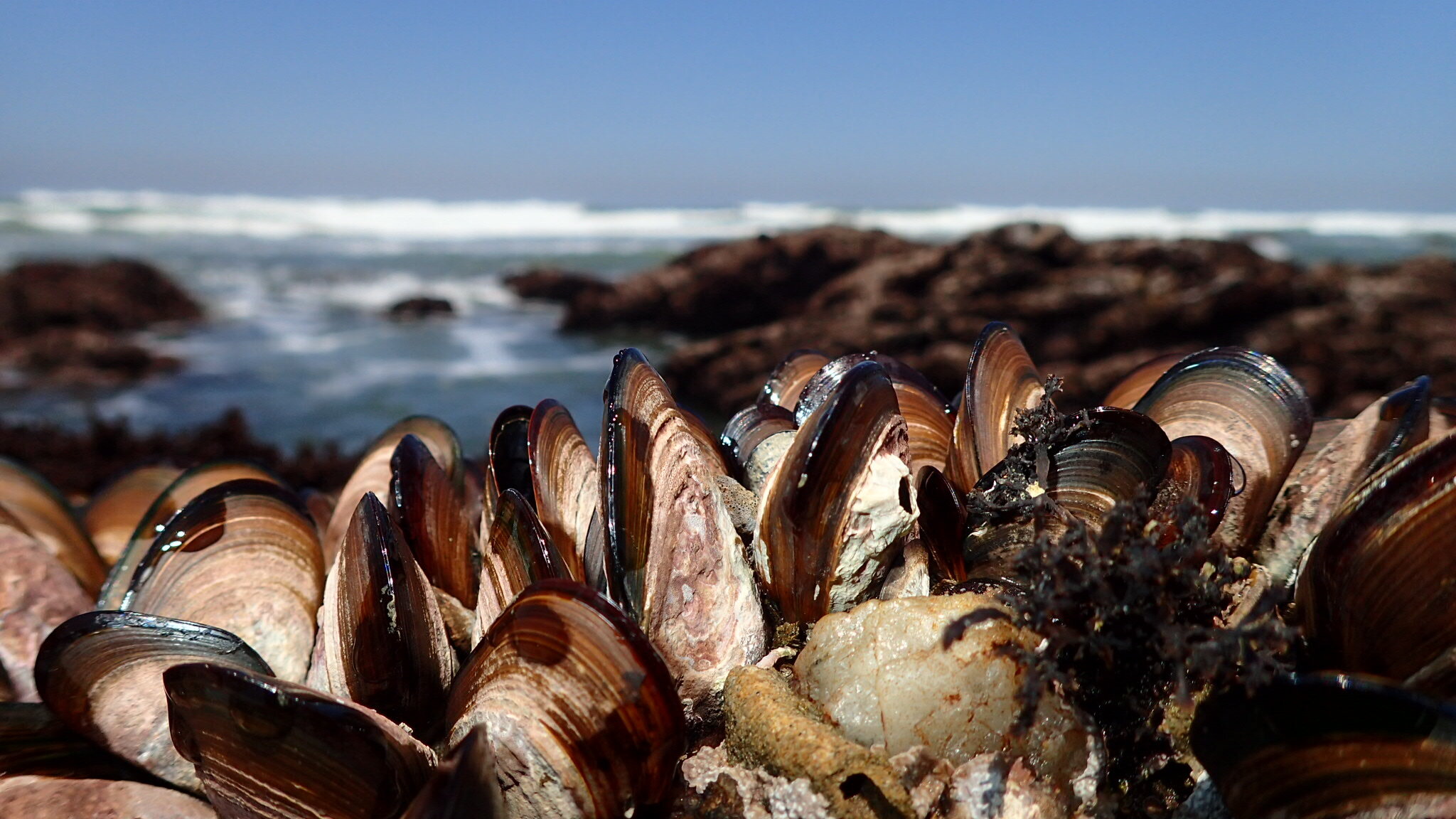
Spain has officially removed over 15 tonnes of dead shellfish from the coast of Galicia following a catastrophic 80% die-off that is set to trigger a sharp rise in seafood prices. Heavy rainfall and record-low salinity levels this March have devastated the region’s clam and cockle populations, with local workers confirming that 80% of the crop has been lost in key harvesting zones.
As Galicia supplies the majority of Spain’s fresh shellfish, the immediate consequence for residents and tourists is a significant supply shortage and higher menu prices at seafood restaurants ahead of the 2026 spring season. While health authorities have cleared all remaining market stock as safe, the massive scale of the destruction means the impact on your food bill will be felt across the country for months.
What has caused the mass shellfish die-off in Galicia
According to regional authorities and marine sector representatives, the primary cause is the combination of repeated storms and persistent heavy rainfall.
These conditions have significantly reduced the salinity of coastal waters, creating an environment in which shellfish such as clams and cockles struggle to survive. In some affected areas, mortality rates have reached extremely high levels, with parts of the sector describing losses of up to 80 per cent or more.
Official updates from regional institutions, including the Xunta de Galicia, confirm that the clean-up operation has involved removing large quantities of dead shellfish to prevent further environmental and sanitary issues.
Why storms are now affecting Spain’s seafood supply
This event highlights a growing concern within Spain’s fishing and aquaculture sectors: extreme weather is becoming more frequent and more disruptive. Unlike fish, shellfish cannot relocate when conditions change. Sudden drops in salinity, caused by freshwater influx from heavy rain, can quickly become fatal. With several storms hitting Galicia in quick succession this winter, the ecosystem has not had time to recover between events. Experts warn that repeated episodes like this could have longer-term consequences for production cycles, potentially affecting supply over months or even years.
What this means for food prices and restaurants
For consumers and tourists, the most immediate impact is likely to be seen in prices. Galicia supplies a significant share of Spain’s shellfish, which is widely consumed across the country and featured heavily on restaurant menus, particularly in coastal areas and tourist hotspots.
A sharp reduction in supply could lead to:
- Higher prices for fresh shellfish in markets and supermarkets
- Increased menu prices in seafood restaurants
- Reduced availability of certain local products during peak season
While it is too early to quantify the full impact, industry representatives have already warned that the losses could translate into noticeable changes for consumers in the coming months.
The main questions after Galicia’s shellfish die-off
Will seafood become more expensive in Spain this year?
Prices are likely to increase in the short term if supply remains limited, particularly for locally sourced shellfish. Galicia plays a key role in Spain’s seafood supply, so disruptions in the region can affect availability and pricing across the country. For travellers and residents, this could mean higher menu prices in seafood restaurants and a reduced selection of fresh shellfish, especially during peak tourist months.
Is it still safe to eat shellfish in Spain
Yes. Authorities are closely monitoring the situation, and strict food safety controls remain in place. Only shellfish that meets established health standards is allowed onto the market. The removal of dead shellfish is a precautionary environmental and public health measure, ensuring that affected areas do not pose a risk to consumers.
What happens next for Galicia’s shellfish sector
Recovery will depend on weather conditions in the coming months. If calmer conditions return, affected areas may gradually regenerate, although full recovery could take longer in heavily impacted zones.
The situation is also likely to intensify discussions around climate resilience in Spain’s fishing industry, as extreme weather events continue to challenge traditional production patterns.
Source - https://euroweeklynews.com/