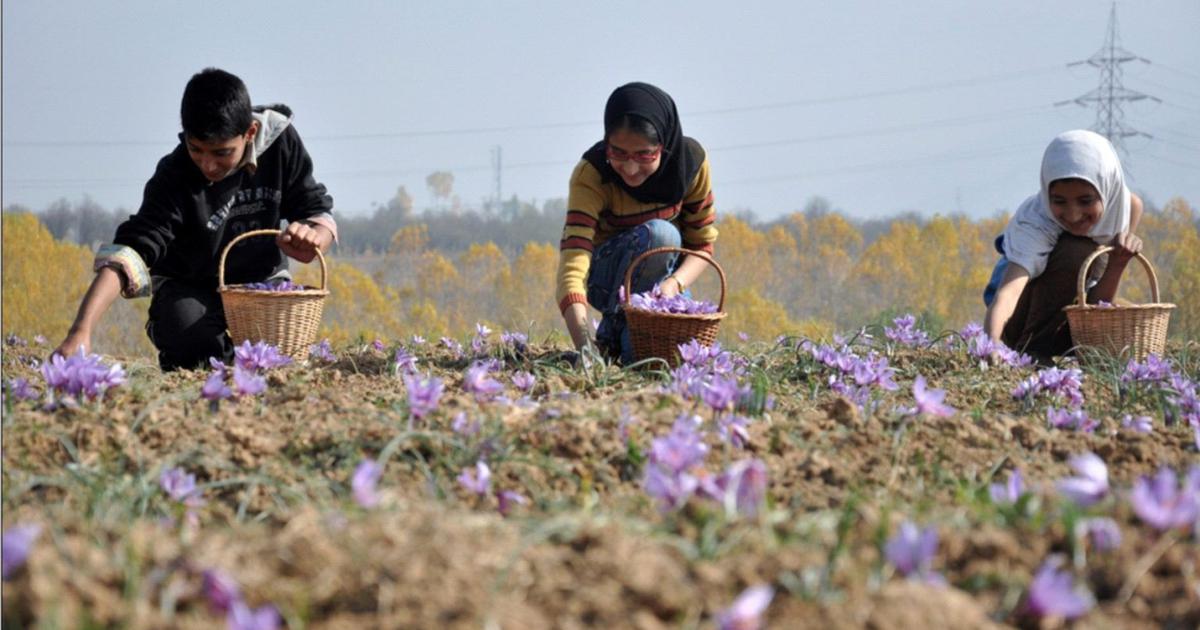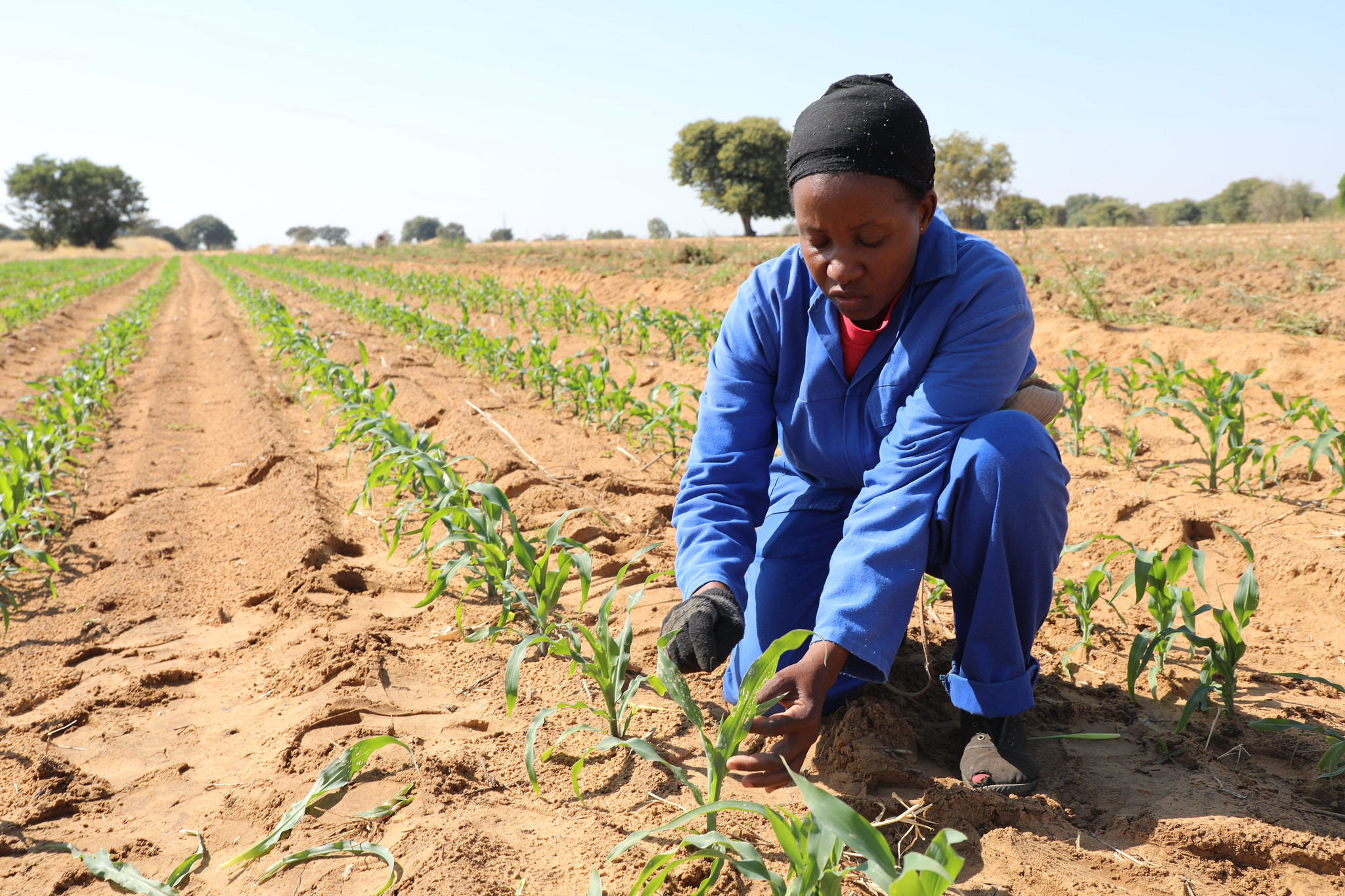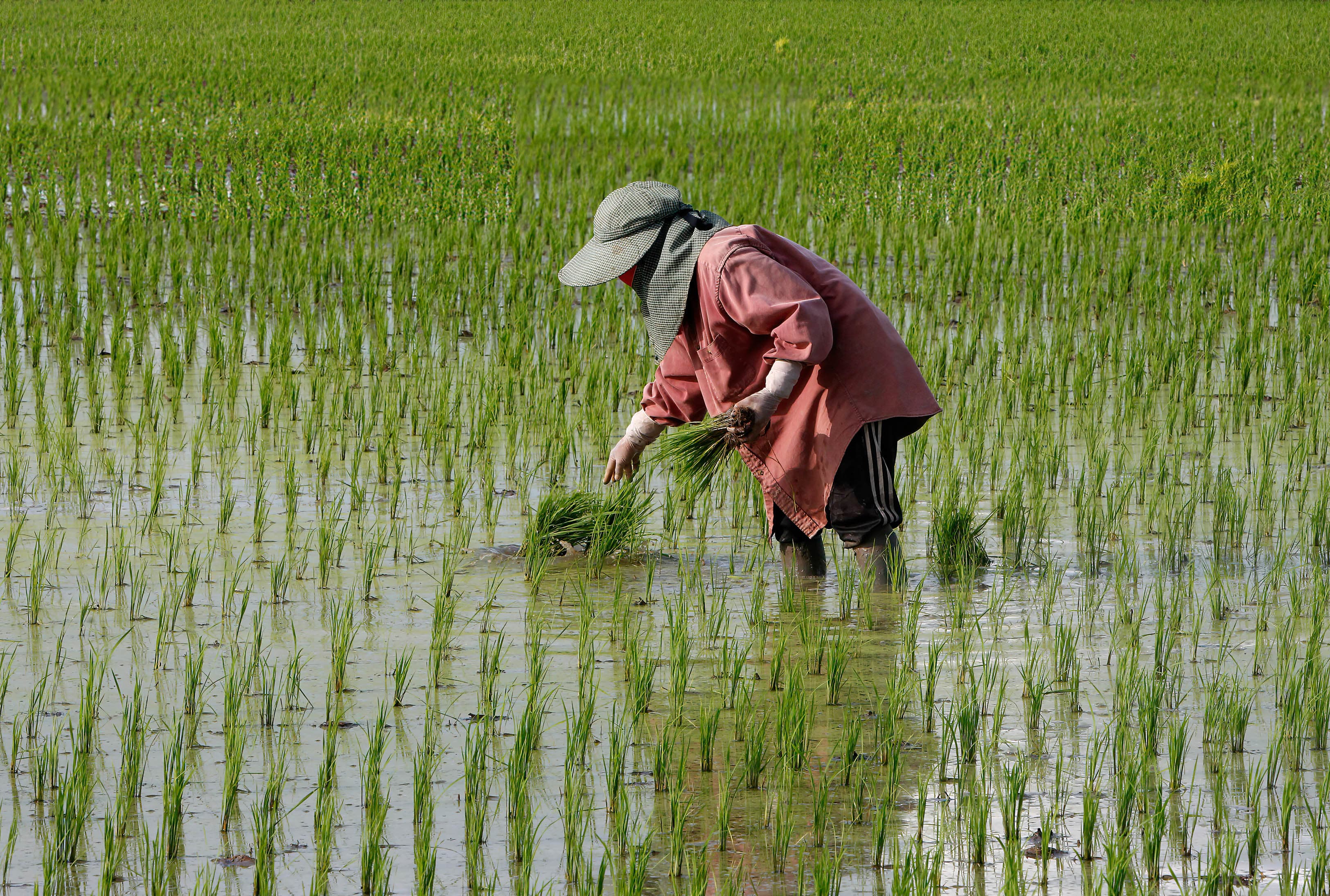
Aman farming has fallen short by a fourth of the government target by now, more than two weeks after the best time for planting the crop, which is usually sowed in July.
The government had a target of growing aman, the second most important rice crop after boro, on 5.66 million hectares. But the Department of Agricultural Extension says that only 72 per cent could so far be achieved.
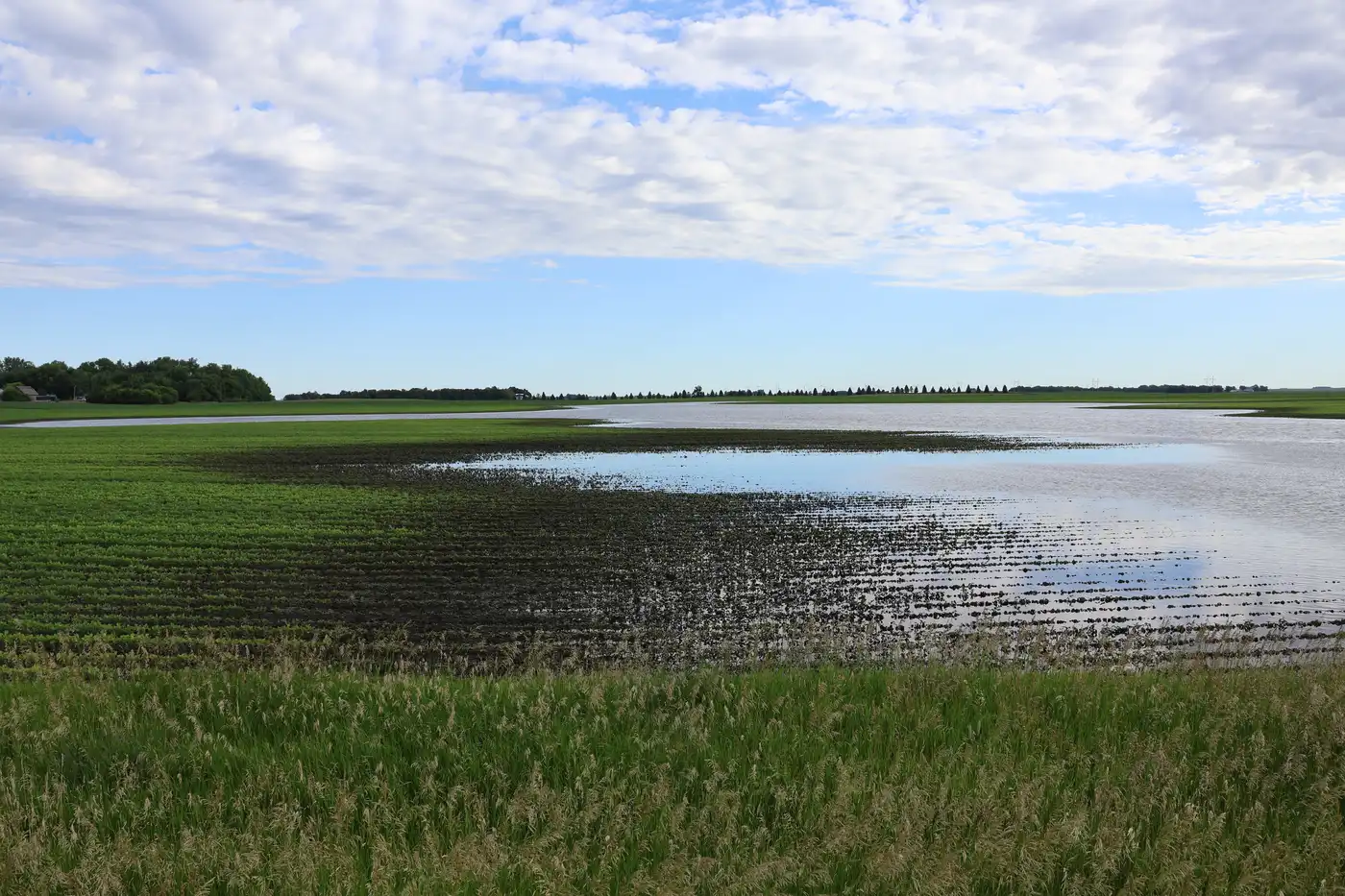
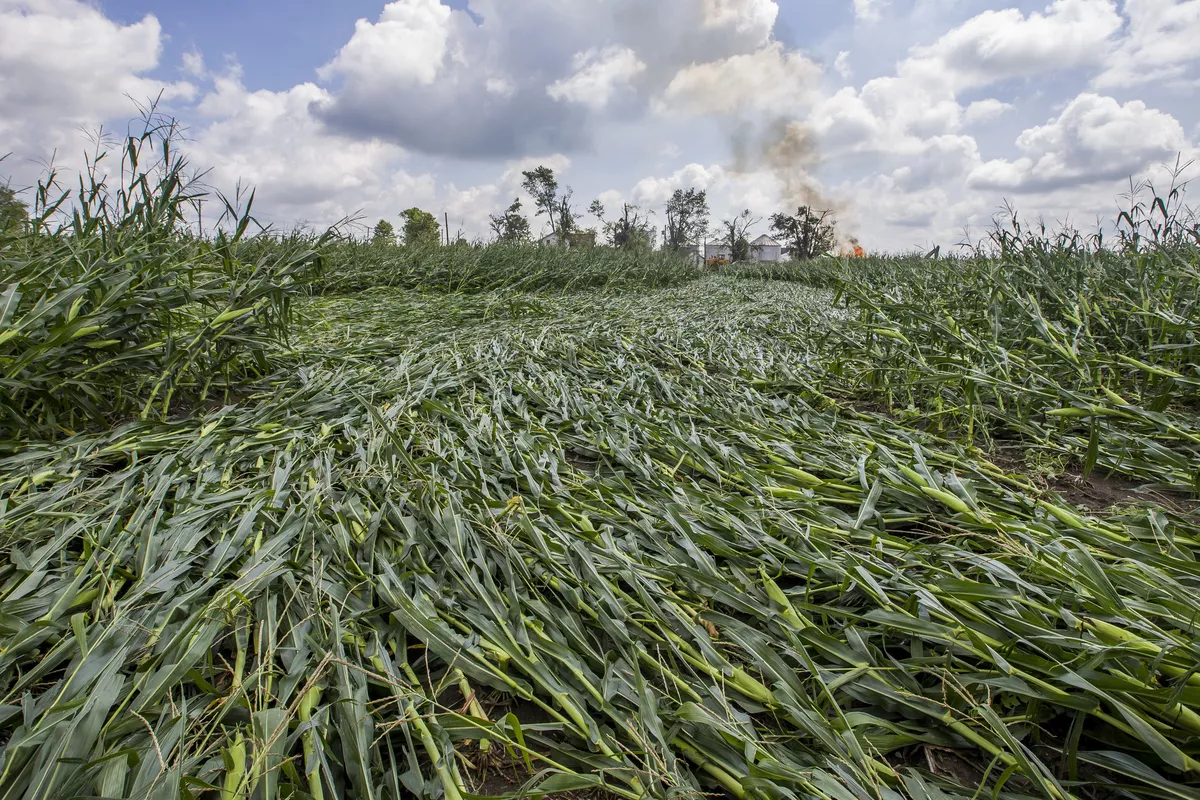
Prolonged drought, acute power shortage which hampered artificial irrigation and flash flooding have been at the centre of the poor aman farming failure. Aman farming faced a bad spell because of flash flooding, triggered by erratic rainfall that damaged the crop in the first week of August on tens of thousands of hectares in the north and the south-west.
Farming on 50,000 hectares was harmed only in the Chattogram division. The sowing of aman across the country was harmed because of a 56 per cent less rainfall than the season’s normal average. Hundreds of farmers in the north, especially char areas, were forced to irrigate their field by lifting underground water. But this also added to their owes because of power outages spanning up to seven hours a day, coupled with a 50 per cent increase in oil prices and a Tk 5 increase in the price of a kilogram of fertiliser.
Farmers in the north say that they could sow aman on a third to a half of their rice field. A brief dry spell after the flash flooding of early August and the Flood Forecasting and Warning Centre not ruling out a late monsoon flooding in October when aman rice would be ready for harvest could make the situation precarious both for aman farming and the farmers.
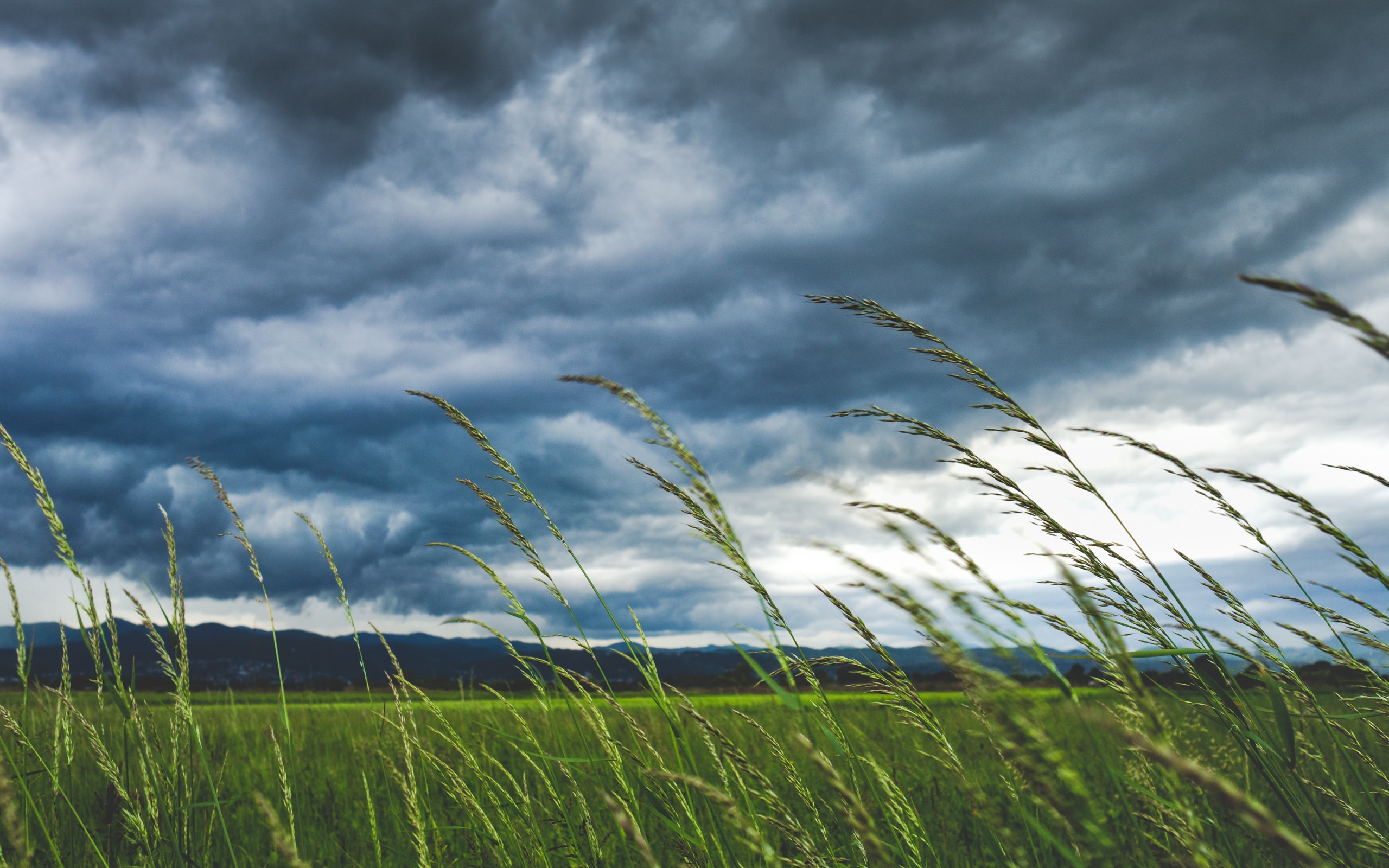
Such a situation entails danger as aman accounts for 30 per cent of the rice annually consumed. But this is not the first time aman farmers are facing such an adverse weather. Meteorologists and climate researchers say that they have found distinct changes in the weather pattern, especially regarding rainfall that triggers drought and flash flooding in the aman season. And, aman, which has always brought relief for farmers as the rain-fed crop required almost no irrigation cutting down on investments, now needs artificial irrigation.
The changed weather pattern warrants some government efforts that still appear absent. Aman needs to be planted when it should and the government should, therefore, arrange for artificial irrigation or at least help the farmers in irrigating their aman field by ensuring power supply, providing fuel oil for irrigation pumps for lower prices and the likes.
The government could also redesign infrastructure so that water stagnation caused by flash flooding could be flushed out in short time. The government could also help the farmers by promoting flood-tolerant varieties as they can withstand water for 21 days.
Climate change impact on farming would, as experts fear, continue to deepen. The government must, therefore, have arrangements to flush out flood water and to afford emergency irrigation facilities so that food security is not harmed by any means.
Source - https://www.newagebd.net