India - Ground frost causes damage to potato, vegetable crops in North India

24.01.2023 716 views

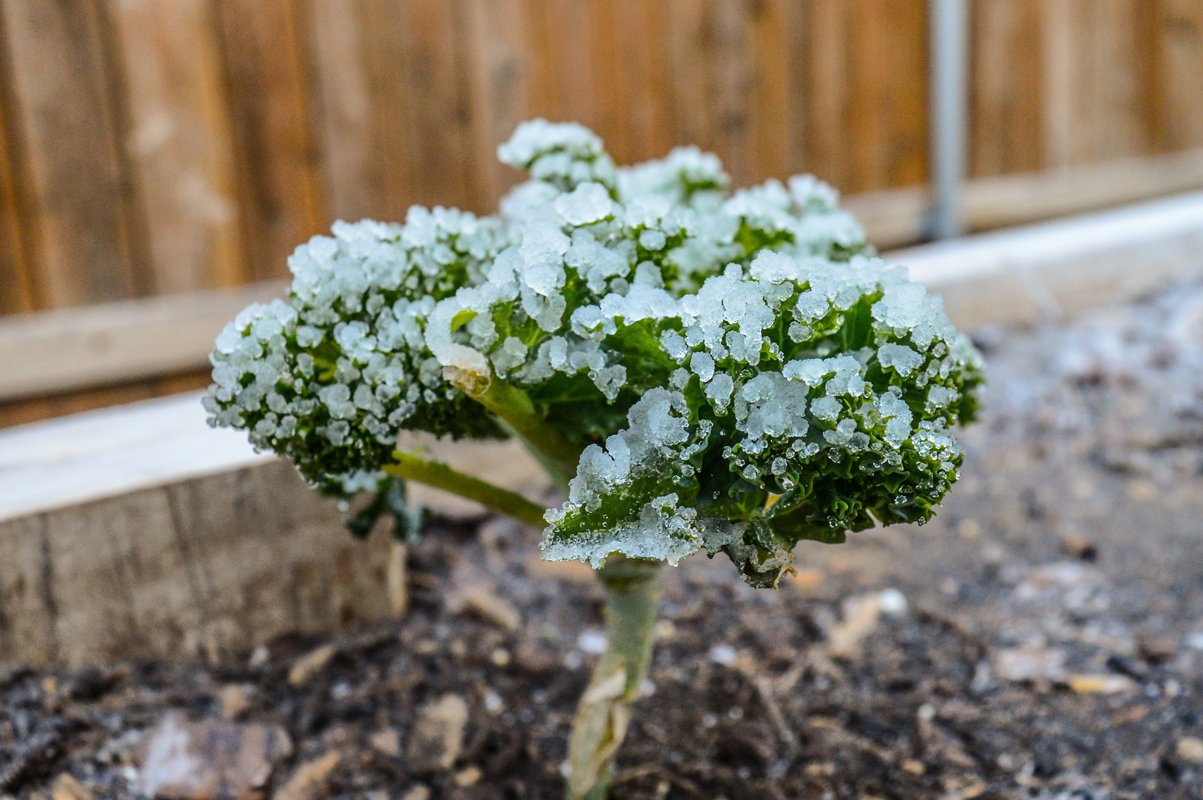
Potato farmers in north India have suffered heavy crop losses due to ground frost owing to the fall in temperatures between January 16 and 21, 2023.

While the potato crop has suffered the maximum damage, other vegetable crops and mustard across Punjab, Rajasthan, Haryana, Uttar Pradesh and Madhya Pradesh have been affected as well. 

The damage has been 30-40 per cent in some fields. In some of the varieties, sown in late November or early December, the damage has been as high as 80 per cent.

The situation is the same across the potato belt in Punjab, covering districts like Jalandhar, Hoshiarpur, Ludhiana, Amritsar, Moga and Patiala. The damage happened when minimum temperatures fell below normal or reached the freezing point in many places.

Bathinda and Faridkot districts of the state have been reeling under sub-zero temperatures accompanied by frost. Additionally, due to dry weather conditions, there has been a decrease in the moisture content of the soil.

The farmers are more concerned because the price of potato has been as low as Rs 3 per kg. In contrast, the per acre investment is Rs 40,000.

According to farmers, an episode like this happens once every three or four years. In Rajasthan’s Hanumangarh area, farmers saw similar damage to the mustard crop. These plants were about to be harvested in February.

Similarly, farmers from Uttar Pradesh and Madhya Pradesh have also reported a loss.

Crops should be irrigated lightly to avoid dehydration and an adequate supply of nutrients must be ensured, experts advised. University scientists also recommended regular surveillance of fields by farmers and vigilance about ground frost conditions.

Source - https://www.downtoearth.org.in

05.05.2026

Climate change: challenges and opportunities for crop insurance in Canada

The pandemic we have just come out of reminded us of the importance of maintaining robust food sovereignty in our country, provinces and cities. 

05.05.2026

Azerbaijan, Uzbekistan hold talks on agro-industrial collaboration

On May 5, Minister of Agriculture Majnun Mammadov met with a delegation from Uzbekistan led by Minister of Agriculture Ibrokhim Abdurakhmonov, who attended the 19th Azerbaijan International Agricultural Exhibition (Caspian Agro Week), to discuss bilateral cooperation in the agricultural sector, Trend reports.

05.05.2026

Philippines - P6.69-million crop damage logged in Albay due to Mayon unrest

Damage to crops from Mayon Volcano’s unrest has reached P6.69 million, with ashfall affecting several farmers in Albay, authorities said Tuesday.

05.05.2026

Cyprus - Farmers in Karpasia seek compensation for crop damage caused by wild donkeys

Losses reported in Rizokarpaso and nearby villages as donkey population grows and destroys farmland.

05.05.2026

USA - USDA Risk Management Agency Upgrades Rainfall Data Source

The U.S. Department of Agriculture’s (USDA) Risk Management Agency (RMA) is upgrading the source for rainfall data used in several Federal crop insurance programs, moving from the National Oceanic and Atmospheric Administration’s Climate Prediction Center (CPC) to the National Centers for Environmental Information (NCEI). 

05.05.2026

Asparagus losses in Norfolk County, Canada reach 98 percent after frost

Frost events in Canada recently caused crop damage in Norfolk County, with asparagus production heavily affected. At Dalton White Farms, losses reached up to 98 per cent of the field.

04.05.2026

Bulgaria's Kyustendil cherry crop severely affected by frost for second consecutive year

Frosts have caused critical damage to cherry orchards in the Kyustendil region of Bulgaria for the second consecutive spring, with producers reporting near-total crop losses. 

04.05.2026

Vietnam - MoF moves to expand farm insurance support and eligibility

The Ministry of Finance has proposed sharply increasing agricultural insurance premium subsidies to up to 95 per cent and widening the pool of eligible beneficiaries to better share risks with producers, stabilise farm incomes, and strengthen climate resilience.