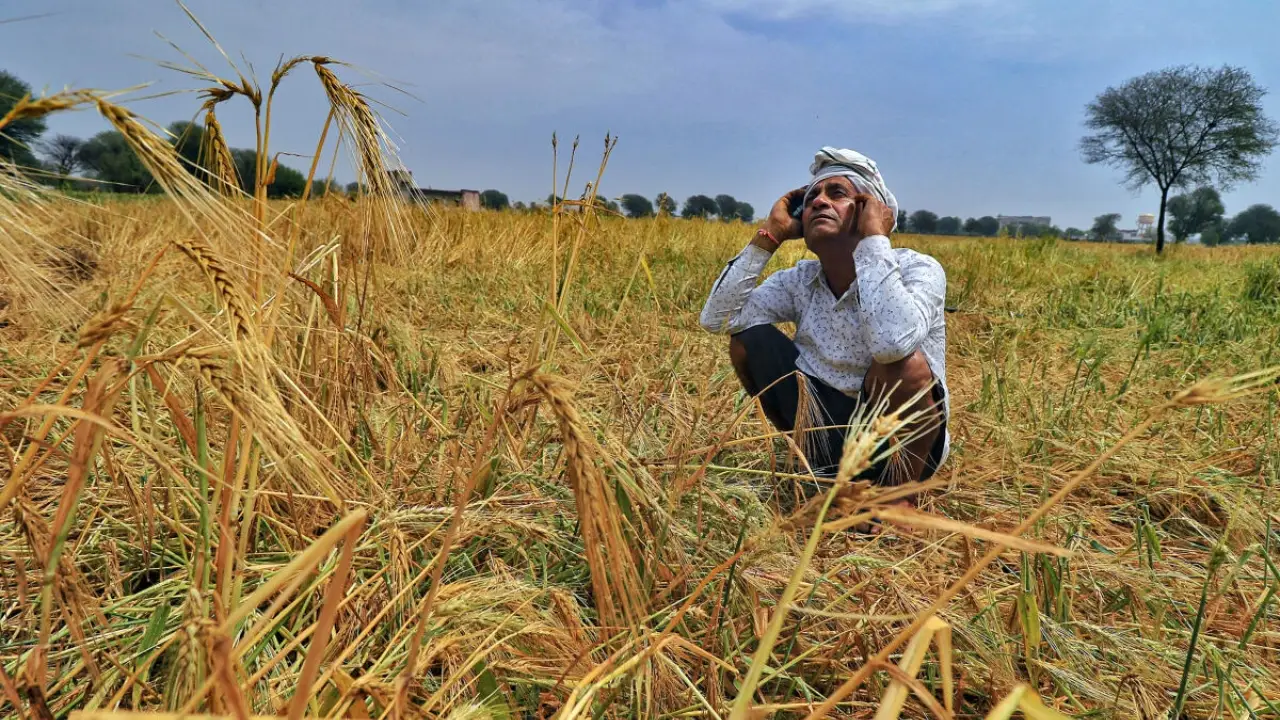
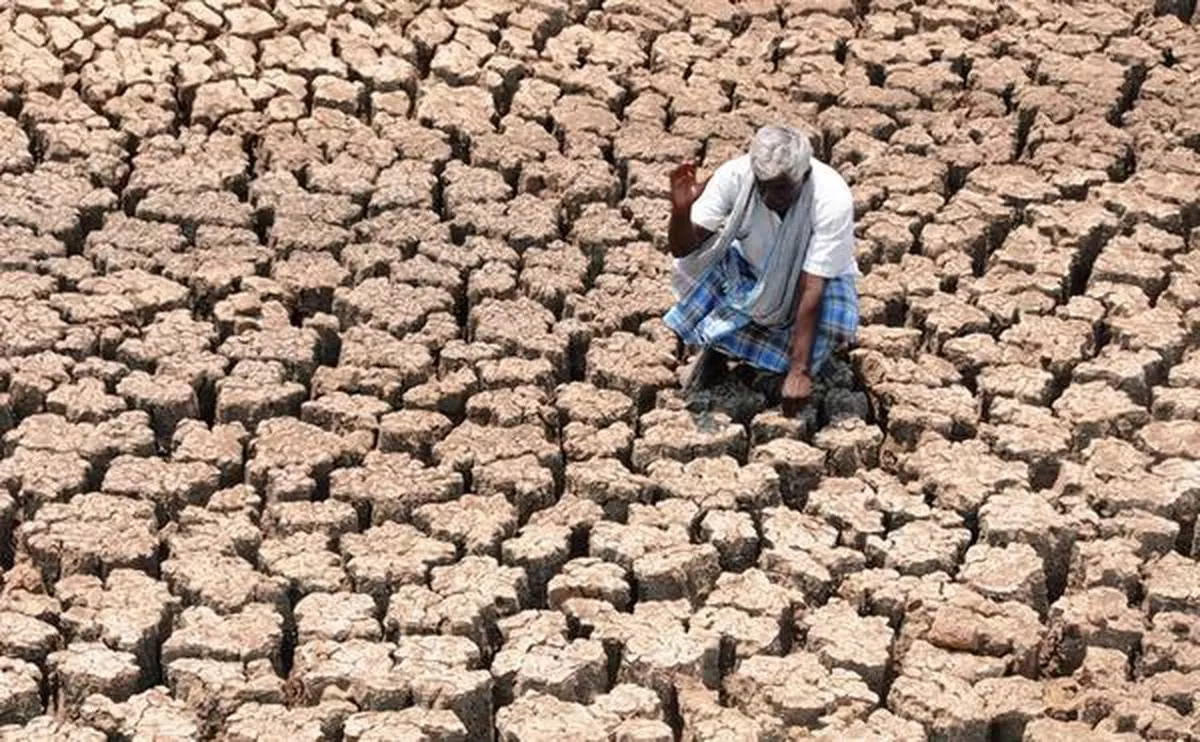
Gujarat’s drought relief package has triggered opposition from farmer leaders in Dwarka, who say the proposed assistance of ₹8,500 per hectare is inadequate and have announced a possible agitation from November 12 if the government does not revise the eligibility and assistance norms.
The state has declared four districts drought-affected and will provide assistance under prescribed criteria from November 1, 2026. The support is capped at two hectares per farmer, meaning the maximum crop-related assistance under the announced provision would be ₹17,000 per eligible farmer. Farmer representatives have also demanded a waiver of farm loans of up to ₹3 lakh.
According to the report, farmer leaders said the assistance does not match the losses suffered during drought conditions. They referred to earlier drought periods when farmers received crop insurance payments of up to 150% and additional support from the Disaster Relief Fund. A farmer leader alleged that the present government’s decision to discontinue the crop insurance scheme had increased the financial pressure on cultivators. The report attributes these claims to the farmer representatives and does not provide an independent assessment of the losses or the earlier insurance payments.
The government’s package also includes support for livestock kept in cattle camps. Assistance of ₹80 per animal per day will be provided for up to two months through the State Disaster Response Fund. The package additionally provides for 150 days of employment in rural areas under the V.B.G. Ram G. scheme, with the stated aim of creating work opportunities in drought-affected communities.
The assistance decision followed high-level meetings conducted under the Drought Determination Guidelines, 2016. The government has said that district collectors were given special powers from June-July 2026 and that 1.21 crore kilograms of fodder had been distributed at a relief price of ₹2 per kilogram. It has also said that 3 crore kilograms of fodder is currently reserved and that procurement of additional fodder has begun.
The dispute is centred on the gap between the state’s relief design and the scale of support sought by farmers. The announced package combines capped per-hectare assistance with livestock support and rural employment, while farmer leaders are seeking higher crop compensation and loan relief. Whether the government changes the norms, and whether the announced agitation begins on November 12, will determine the next stage of the dispute.
Source - https://urbanacres.in