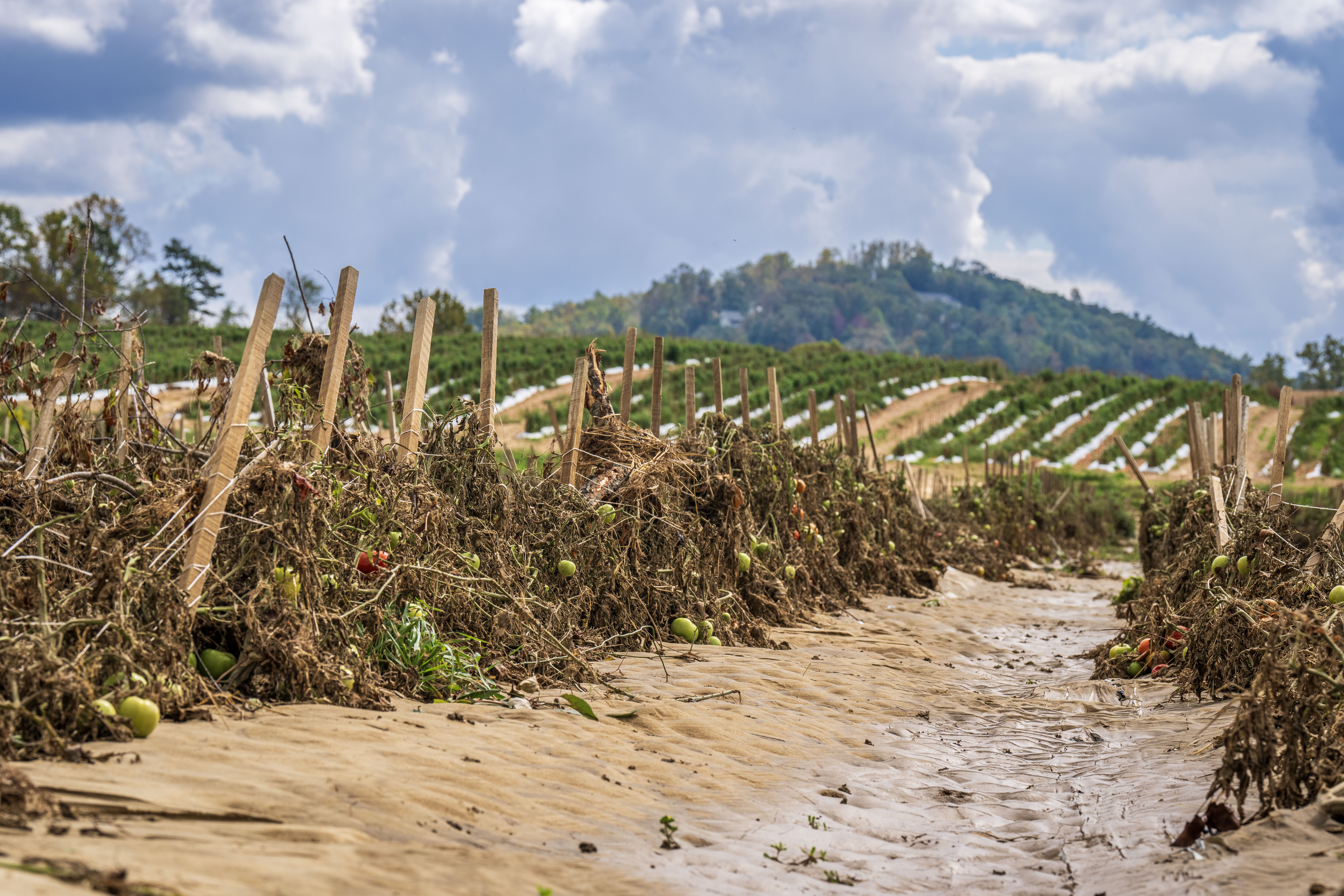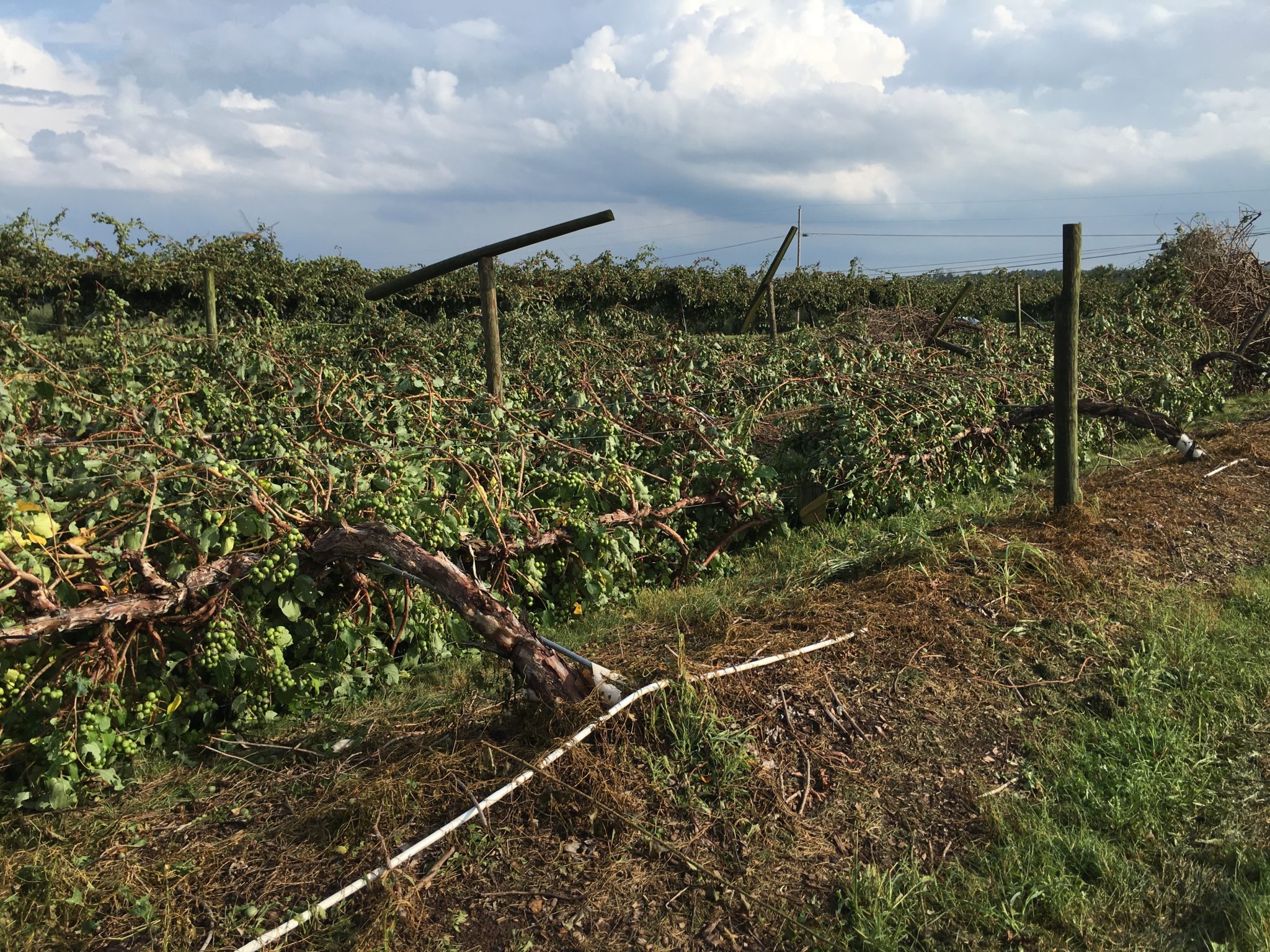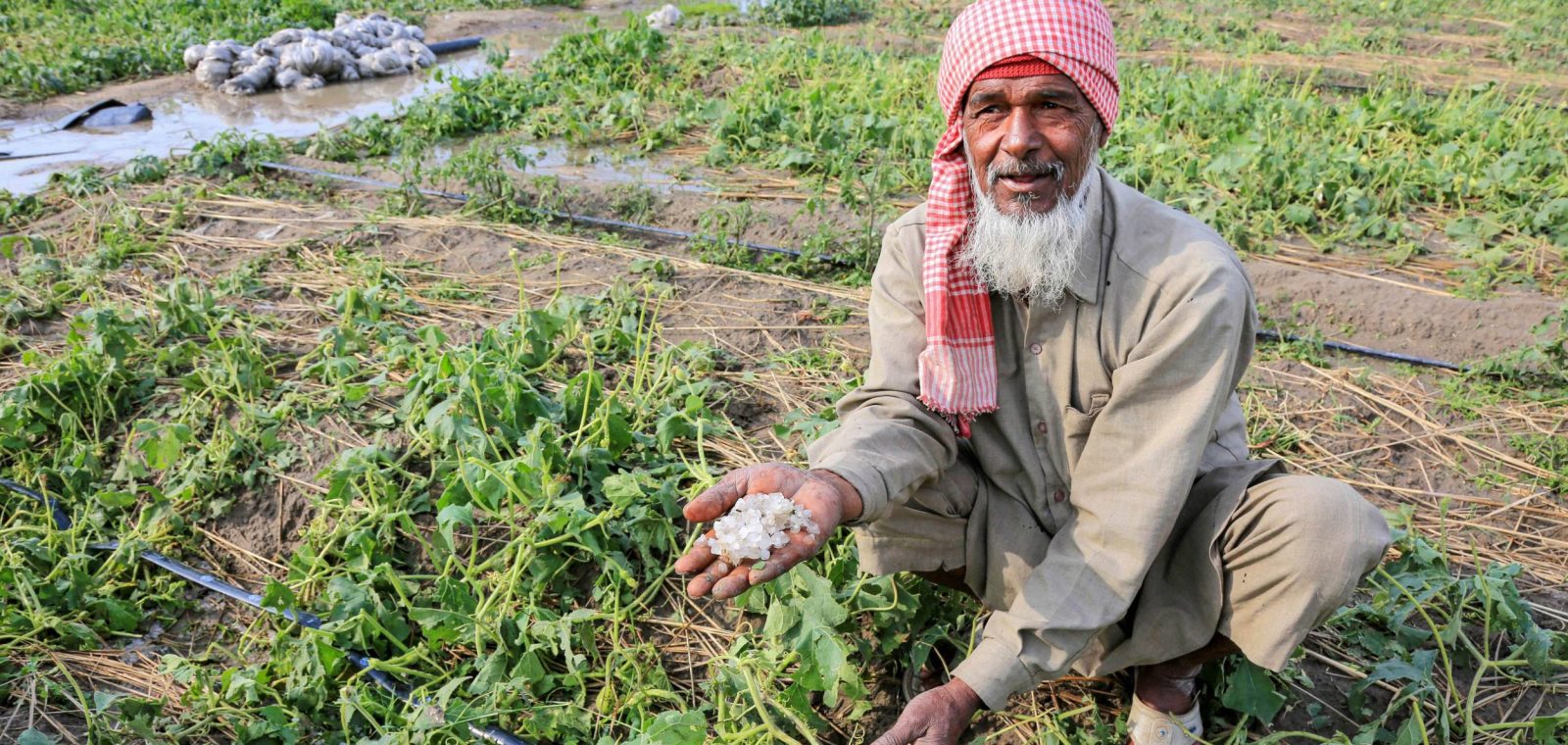
Last week it was a barrage of hailstones, ranging in size from small pellets to large stones causing significant harm to the apple orchards, other agricultural crops, including wheat, rice, and vegetables.
The hail size was around 100 grams which inflicted bruises on the apple crop. At some places, it damaged the apple tree branches. The fruit-laden trees, including apple, cherry, and pear orchards, have suffered extensive damage, endangering the livelihoods of countless farmers and workers who rely on this sector.
The sudden and destructive hailstorm swept through dozens of villages across north Kashmir and parts of southern Kashmir.
The most affected areas include Khamoh, Rafiabad, Wagoora, Kreeri and Ladoora areas of Baramulla besides Haihama, Gutlipora, Kralpora, Trehgam, Sogam, Drugmulla, Salkoot and other villages of Kupwara even as many areas including Rafiabad, Poutu Khah, Wagoora, Watergam, Pattan and Sopore also witnessed an unprecedented hailstorm. Similar reports were received from parts of Bandipora as well.
Bashir Ahmad Bashir, chairman of Kashmir Valley Fruit Growers cum Dealers Union, said the losses were not only in north Kashmir but also in south Kashmir districts of Shopian, Pulwama, Kulgam, Anantnag and central Kashmir’s Budgam districts as well.
Since the fruit Industry is the backbone of Kashmir’s economy. Therefore, damage to this Industry is equivalent to damage to the economy of Jammu and Kashmir.
He sought an aid package for fruit and vegetable crop farmers affected by heavy hailstorms and also the implementation of a Crop Insurance Scheme in Kashmir.
The Kashmir Valley Fruit Growers Cum Dealers Union has been pleading with the government to implement the Crop Insurance Scheme so that there will be a little relief in the event of minor calamities, but the scheme is not yet implemented which may kindly be introduced in the interest of the valley-based fruit growers.
Kashmir is the country’s largest apple grower, fetching revenue over ₹8,000 to ₹10,000 crore to the UT and contributing around 8-10% of its gross domestic product. The UT produces around 20 lakh metric tons of apples per year. Around seven lakh farming families (approximately 35 lakh people) are directly or indirectly associated with the horticulture sector.
This year intermittent rainfall and low temperatures in March and April had already affected the pollination of apple orchards across Kashmir triggering concerns about a decrease in production during harvesting season later this year. The rains and low temperatures had already affected apple pollination by around 20 percent.
Agriculture in Kashmir holds significant importance as it is a major source of livelihood for the people of the Valley. Kashmir has a favorable climate and fertile land that supports various agricultural activities.
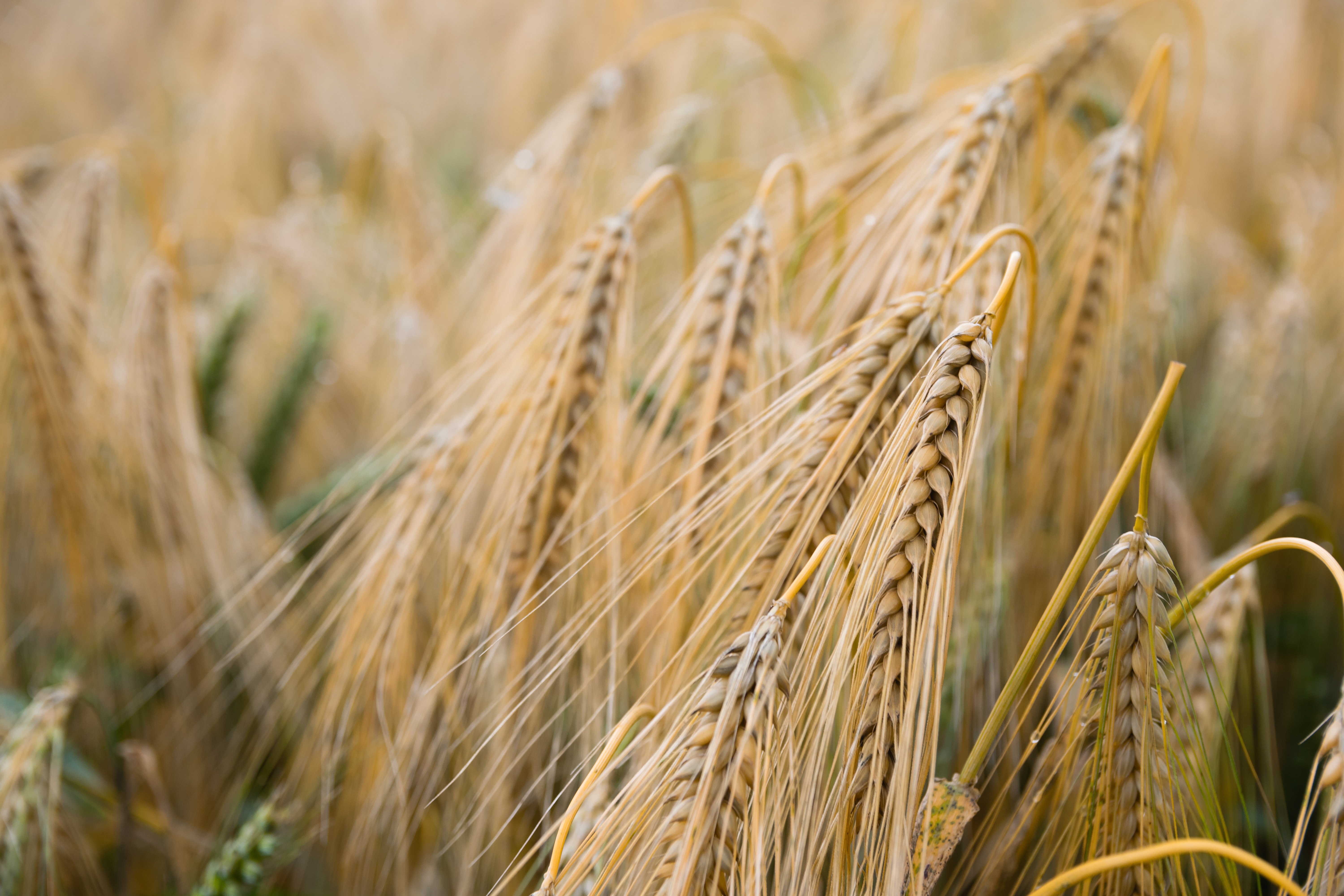
Kashmir is known for the cultivation of various crops, including rice, wheat, maize, barley, oats, millets, pulses, vegetables, and fruits. Rice is one of the primary crops grown in the valley, with paddy fields extending across vast areas. The valley is also famous for its saffron cultivation, and Kashmiri saffron is considered among the best in the world.
Kashmir is renowned for its horticultural produce. Apple orchards is a prominent feature, and the valley produces a wide variety of apples, including delicious and other apple varieties. Other fruits grown in the region include pears, cherries, plums, apricots, almonds, and walnuts. The moderate climate and suitable soil conditions contribute to the success of horticulture in Kashmir.
The picturesque landscape of Kashmir also supports a thriving floriculture industry. Flowers such as roses, marigolds, lilies, tulips, daisies, and gladioli are cultivated for both domestic consumption and export. The tulip gardens in Srinagar, especially in the Indira Gandhi Memorial Tulip Garden, are a major tourist attraction.
Sericulture, the rearing of silkworms for silk production, is another agricultural activity in Kashmir. The valley's climate is conducive to the growth of mulberry trees, which are essential for silkworm rearing. The production of high-quality silk cocoons contributes to the silk industry in the region.
Agriculture in Kashmir provides employment opportunities to a large number of people, both directly and indirectly. Farmers, agricultural labourers, and workers in allied sectors like horticulture, floriculture, and livestock farming rely on agriculture for their livelihoods.
Many farmers in Kashmir practice subsistence farming, where they cultivate crops primarily for their own consumption and to meet the basic needs of their families. These farmers typically grow a mix of crops, including rice, wheat, maize, and vegetables, to ensure food security.
While subsistence farming is common, there are also farmers who cultivate cash crops for commercial purposes. The cultivation of crops like apples, saffron, and other fruits provides income generation opportunities for farmers, allowing them to improve their standard of living.
In recent years, there has been a focus on value addition and processing in the agricultural sector of Kashmir. Efforts have been made to establish fruit and vegetable processing units, cold storage facilities, and packaging facilities. These initiatives aim to increase the shelf life of perishable produce, reduce post-harvest losses, and add value to agricultural products.
Crop insurance schemes are important in Kashmir, as they provide financial protection to farmers against losses incurred due to natural calamities, pests, diseases, or other unforeseen circumstances that may adversely affect their crops.
Why they demand crop insurance schemes?
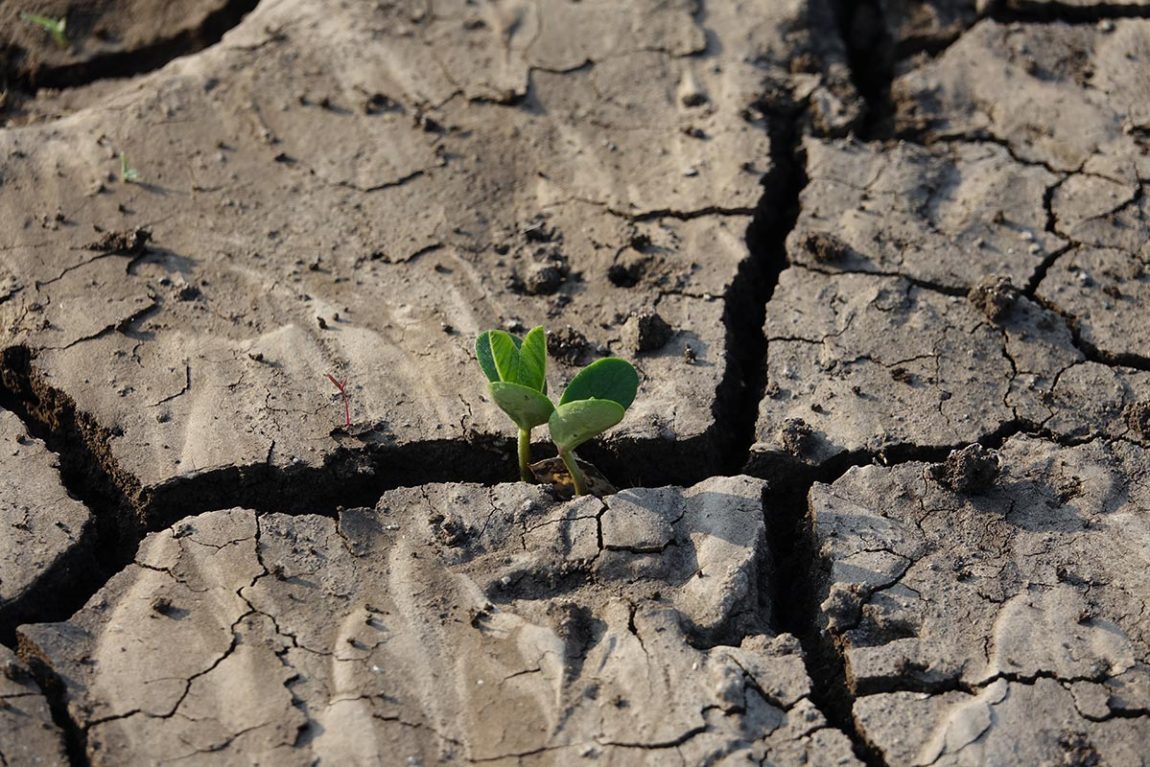
Kashmir is prone to natural disasters such as floods, droughts, and earthquakes. These events can cause significant damage to crops, leading to financial losses for farmers. Crop insurance schemes provide a safety net by compensating farmers for such losses.
Valley experiences varying weather patterns, including erratic rainfall and temperature fluctuations, which impacts crop yields. Crop insurance schemes help farmers mitigate the risks associated with unpredictable weather conditions.
Pests and diseases can devastate crops, leading to reduced yields or complete crop failure. Crop insurance provides coverage against such outbreaks, ensuring that farmers are not left with substantial financial losses.
The access to crop insurance schemes can increase farmers' access to credit and loans from financial institutions. Lenders often require farmers to have crop insurance as collateral to secure loans, ensuring financial security for both farmers and lenders.
The UT Government led by LG Manoj Sinha, has implemented various crop insurance schemes to support farmers. These schemes provide subsidised premiums and quick claim settlements, making crop insurance more accessible and attractive to farmers.
Crop insurance schemes help stabilise farmers' income by compensating them for losses incurred during adverse events. This stability allows farmers to plan their agricultural activities, invest in modern farming techniques, and improve overall productivity.
Overall, the demand for crop insurance schemes in Kashmir arises from the need to protect farmers from the uncertainties and risks associated with agriculture, ensuring their financial stability and encouraging sustainable farming practices.
Source - https://www.greaterkashmir.com