Himachal Pradesh introduces a specialized insurance scheme to compensate farmers and laborers injured or killed by agricultural machinery.
The Department of Agriculture in India’s Himachal Pradesh has operationalized the Chief Minister Kisan and Agricultural Labourer Life Security Scheme, offering a vital financial safety net for farmers facing severe injury or death from farm machinery accidents. The policy targets a neglected crisis in rural economies worldwide.
Announced by Agriculture Deputy Director Bhupendra Singh in Chamba, the initiative aims to mitigate the devastating economic fallout that rural households endure when a primary breadwinner is incapacitated. The move mirrors a growing global consensus on protecting informal agricultural workers, who frequently operate heavy machinery without institutional safety nets or standard occupational hazard insurance.
Understanding the Life Security Scheme
Under the newly activated provisions, families of agricultural laborers and farm owners are entitled to direct state compensation in the event of machinery-induced casualties. While traditional crop insurance protects against climate anomalies, this specific scheme addresses the physical perils of rural labor.
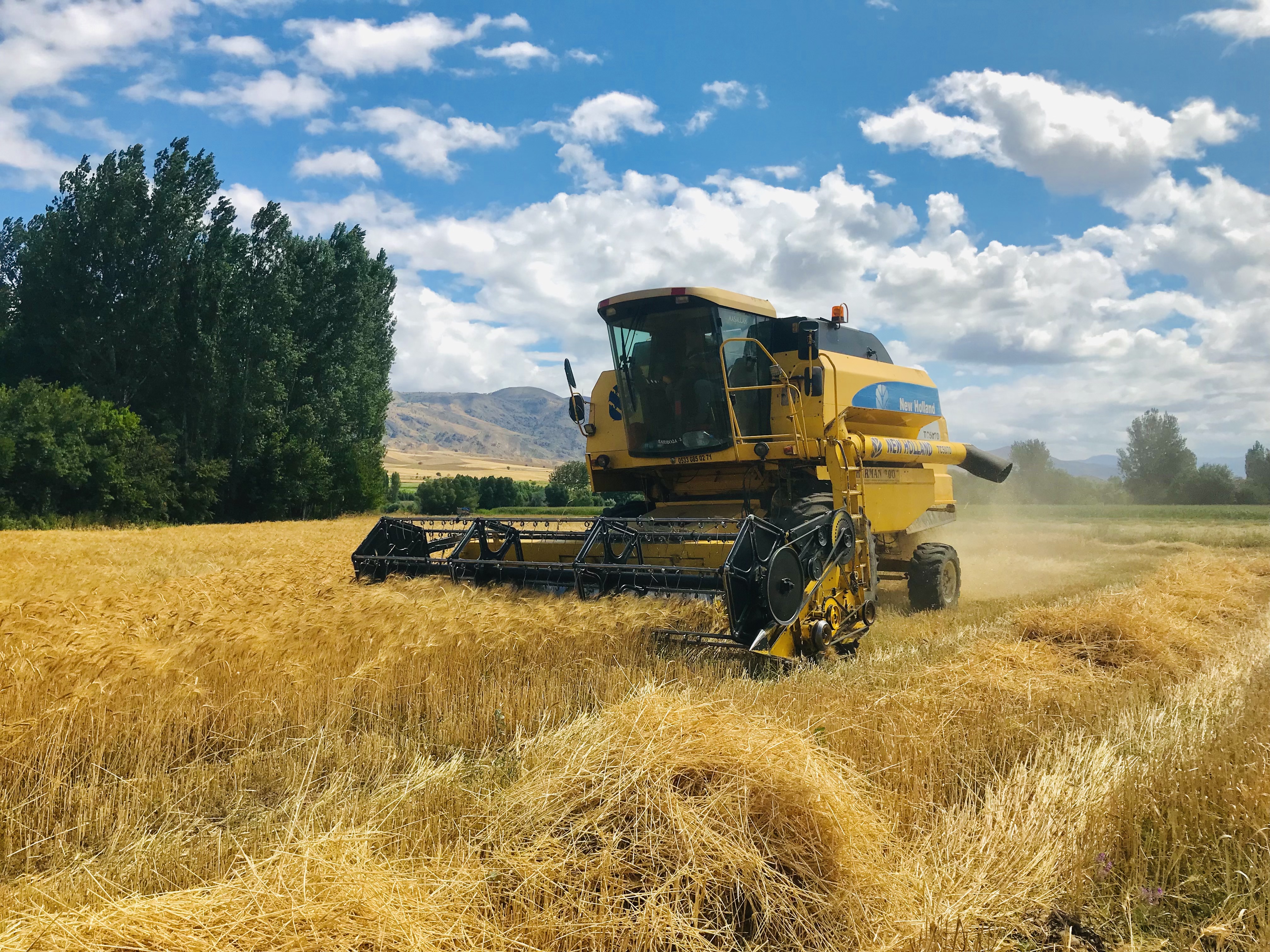
Agriculture Deputy Director Bhupendra Singh emphasized that the department will immediately process claims for injuries sustained while operating tractors, threshers, and power tillers on agricultural land. The bureaucratic process has reportedly been streamlined to ensure that financial relief reaches affected families before medical debt accumulates.
- Unregulated Machinery: Mechanical threshers and harvesters operating without proper guard rails account for a significant percentage of rural amputations.
- Power Tiller Accidents: Navigating heavy equipment on the uneven, terraced terrains of Himachal Pradesh frequently leads to fatal rollover incidents.
- Electrocution Hazards: Faulty electrical installations associated with high-capacity irrigation pumps remain a persistent threat during the monsoon season.
Mechanization Risks in the Global South
The push for agricultural mechanization has rapidly increased yields, but safety regulations have consistently lagged behind technological adoption. In regions where subsistence farming transitions into commercial enterprise, operators often lack formal training. This disparity transforms standard farming equipment into lethal hazards.
The lack of mandatory safety audits for second-hand agricultural machinery exacerbates the crisis. When safety mechanisms fail or are intentionally bypassed to increase operational speed, the human cost is catastrophic. The Himachal Pradesh initiative attempts to correct this imbalance by shifting a portion of the financial risk away from the vulnerable worker and onto the state apparatus.
Comparative Policies: India, Kenya, and Nigeria
The structural challenges of agricultural safety are not isolated to the Indian subcontinent. In Kenya, the agricultural sector accounts for over 20 percent of the Gross Domestic Product according to the Kenya National Bureau of Statistics (KNBS). However, state-sponsored interventions primarily focus on input subsidies, such as the fertilizer distribution program overseen by the Ministry of Agriculture, rather than occupational safety nets for farmhands.
Similarly, Nigeria’s Central Bank (CBN) has historically funneled billions of Naira into the Anchor Borrowers Program to stimulate rice and wheat production. Yet, comprehensive life insurance mandates for the mechanized labor force remain largely theoretical. The Himachal Pradesh model provides a legislative blueprint that East and West African policymakers could adapt to protect their own agrarian workforces.
Implementation and the Road Ahead
The ultimate success of the Chief Minister Kisan and Agricultural Labourer Life Security Scheme depends entirely on execution. If the claim disbursement process becomes mired in red tape, the intended safety net will fail the laborers it aims to protect. The agriculture department must ensure that verification protocols are rigorous yet accessible to rural populations with limited digital literacy.
As mechanization continues to reshape global agriculture, state governments must recognize that protecting the farmer is just as critical as protecting the crop. Financial compensation is a necessary reactive measure, but proactive safety training and equipment regulation must follow to truly secure the future of the agricultural workforce.
Source - https://streamlinefeed.co.ke