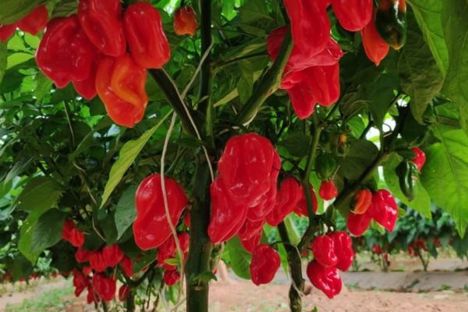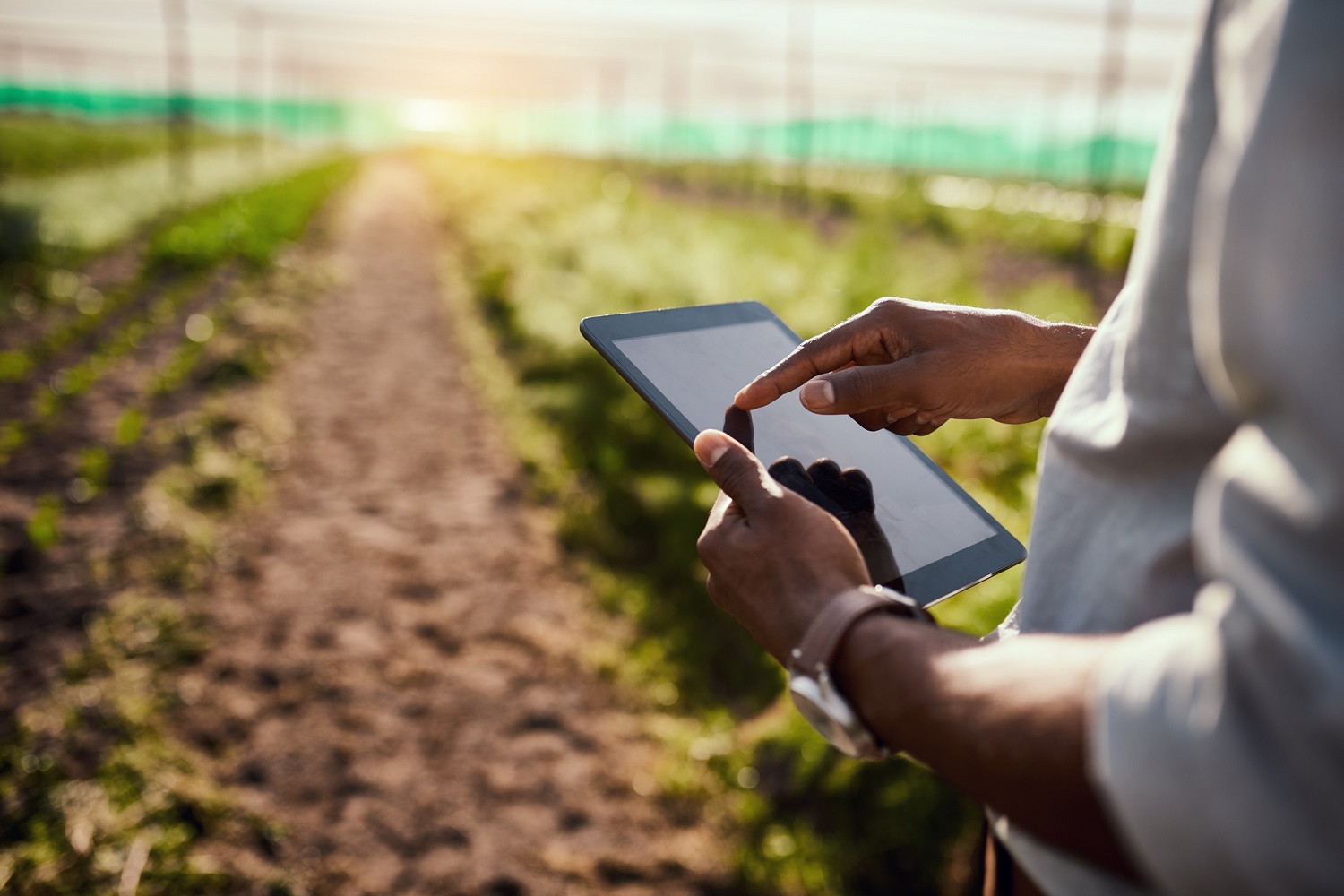
The Telangana state government in South India, in collaboration with various agricultural aid organizations and technology companies, launched a groundbreaking project known as "Saagu Baagu." This initiative focused on assisting 7,000 chilli farmers with AI-powered tools, marking a significant step forward in the integration of emerging technologies in agriculture.
The Saagu Baagu program introduced an array of AI-based solutions to assist farmers in overcoming traditional agricultural challenges. A pivotal component of this initiative was the WhatsApp chatbot, developed in collaboration with Digital Green and open-source developer Glific. This Telugu-language chatbot provided farmers with timely suggestions tailored to the maturity stages of their crops.
KrishiTantra, an agritech startup, established local soil testing centers equipped with machine learning technology. This innovation expedited the soil testing process, offering farmers rapid insights into soil health and fertilizer recommendations.
Another AI startup, AgNext, introduced a computer vision system to assess the quality of chilis directly in the field, enabling farmers to identify defects and determine quality attributes like color, shape, and size, thus enhancing crop value and reducing waste.
The implementation of these AI tools yielded remarkable results over an 18-month pilot program, spanning three consecutive planting cycles. Farmers witnessed a 21% increase in plant growth per acre, alongside a reduction in pesticide and fertilizer usage by 9% and 5%, respectively. According to the World Economic Forum, sales prices increased by 8% as a result. The Telangana government has expanded the program to include 500,000 farmers growing a variety of crops in response to the successful outcome.
The success of Saagu Baagu illustrates the vast potential of AI in revolutionizing agriculture, not just in India but globally. The adaptability of such technology, as evidenced by its effectiveness in a region-specific context like Telangana, underscores its scalability and relevance to different agricultural environments. The program's success is a beacon, indicating a bright future for AI-driven agriculture and paving the way for further innovations and investments in this field worldwide.
Saagu Baagu exemplifies AI's transformative power in agriculture, providing farmers with a sustainable and efficient path to increased yields, lower costs, and navigating the challenges of modern farming.
The impact of AI on agriculture is becoming increasingly profound, revolutionizing traditional farming practices across the globe. AI-driven technologies offer solutions to a variety of challenges faced by farmers, such as optimizing planting schedules, monitoring crop health, predicting pest infestations, and enhancing yield predictions. These advancements not only increase efficiency and crop yields but also contribute to sustainable farming practices by reducing the overuse of water, fertilizers, and pesticides.
Similar initiatives to Telangana's Saagu Baagu program are being implemented worldwide. For instance, in Andhra Pradesh, India, a collaboration between ICRISAT and Microsoft provided farmers with AI-driven text messages on sowing advisories, which led to a 30% increase in crop yields. Additionally, Microsoft's collaboration with United Phosphorous in India resulted in the creation of the Pest Risk Prediction API, leveraging AI to predict pest attacks and reduce crop loss. In Karnataka, the neighboring state of Telangana, the government is using AI for price forecasting of agricultural commodities, enabling farmers to make informed decisions about crop sales.
These examples demonstrate the growing influence of AI in agriculture, highlighting its potential to address critical issues faced by farmers in developing countries while promoting sustainable and profitable farming practices globally.
Source - https://www.forbes.com