Climate change is a critical issue that is affecting every aspect of our lives, including agriculture. The rise in temperature has raised concerns among wheat growers as they fear it could adversely impact their crop yield. This has led scientists from the ICAR-Indian Institute of Wheat and Barley Research (IIWBR) to advise wheat growers on how to protect their crops from the impact of heat.
While scientists have said that temperatures up to 35 degrees Celsius will not have any significant impact on the crop, agriculture experts are still worried about the potential impact of rising temperatures. This highlights the need for proactive measures to be taken to ensure that crops are protected from the impact of heat.
In response to these concerns, scientists from the IIWBR have advised wheat growers to apply light irrigation at regular intervals to maintain moisture in the roots of the crop. They have also recommended the spraying of muriate of potash or potassium nitrate to protect the crop from the impact of heat. This advice can help farmers ensure that their crops remain healthy and are not adversely affected by rising temperatures.
The two-day strategy planning meeting that was conducted at the IIWBR under the agriculture commissioner of the Union Agriculture and Farmers Welfare Department, PK Singh, discussed the issues related to rising temperatures. During the meeting, scientists emphasized the need for an awareness campaign to address the concerns of wheat growers. This campaign can help farmers understand the potential impact of rising temperatures on their crops and how to protect them from this impact.
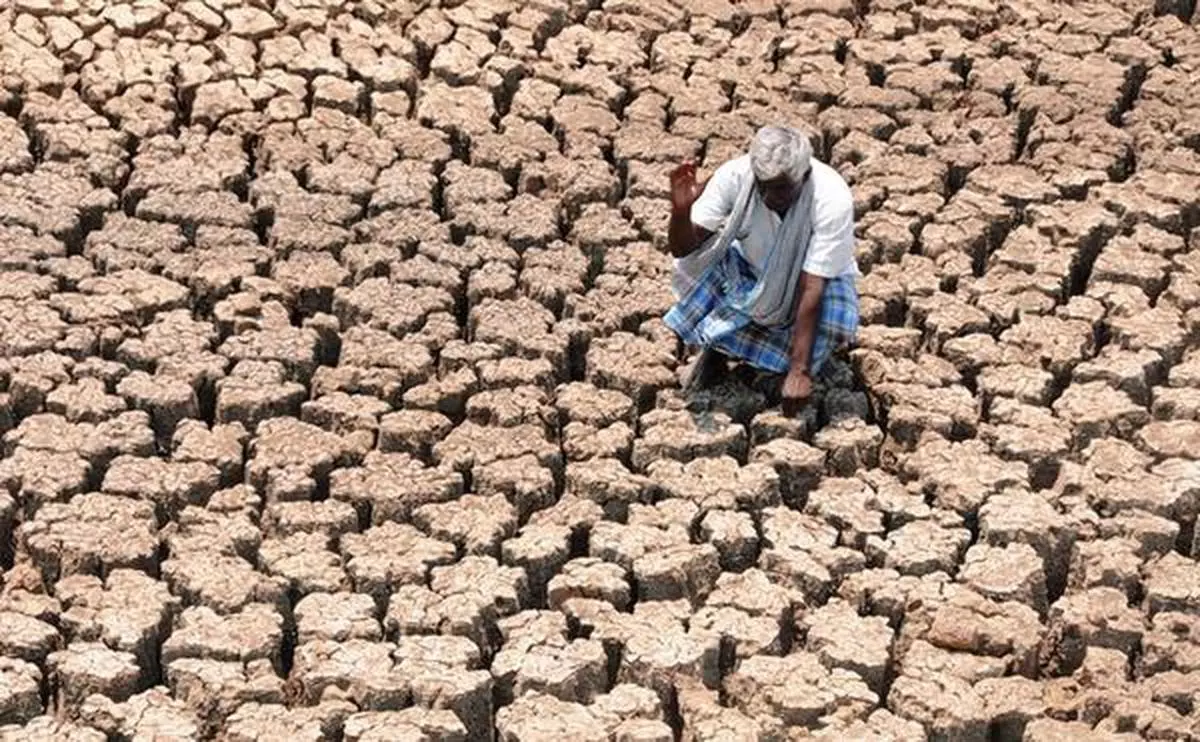
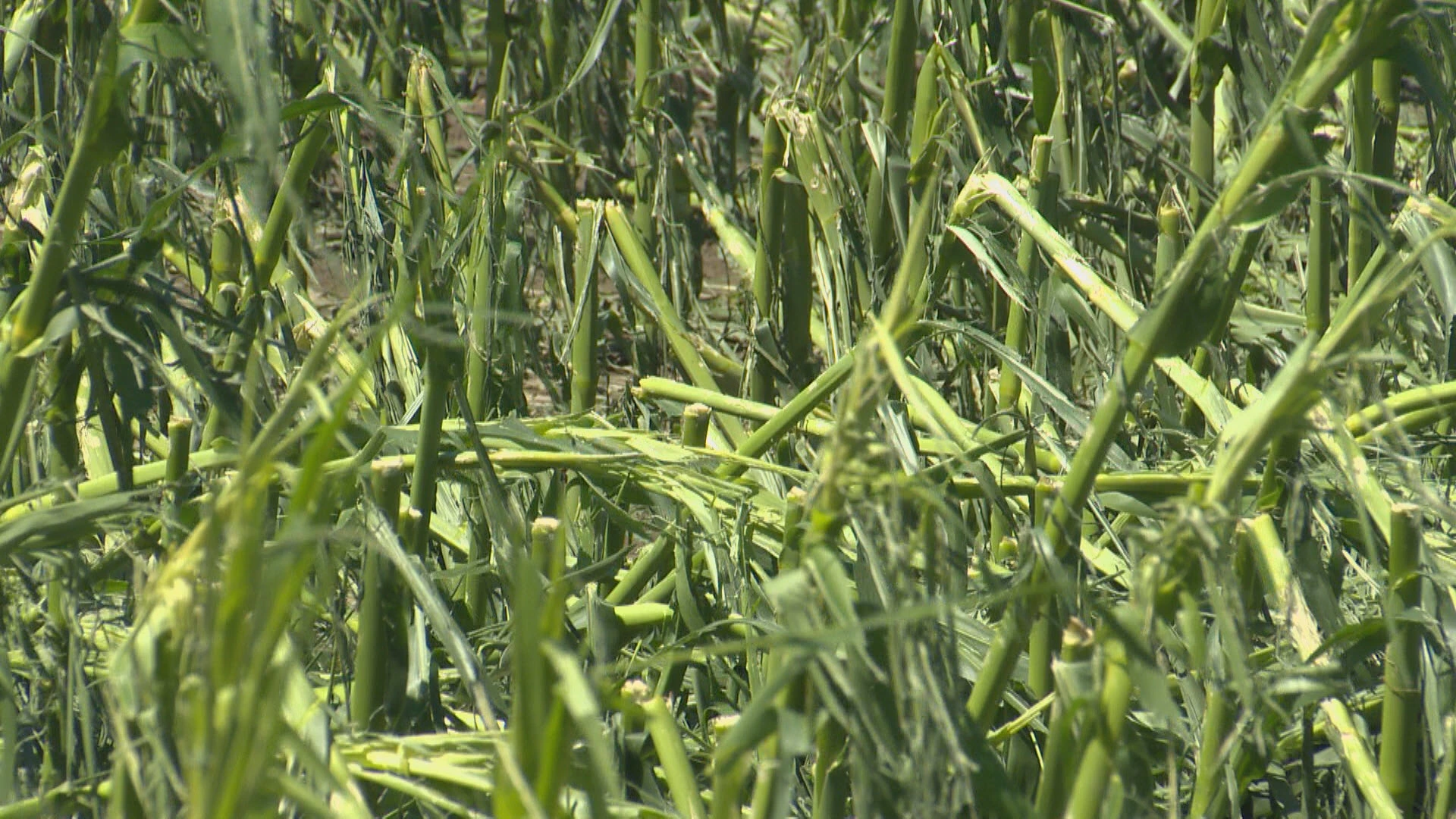
It is crucial to note that rising temperatures can affect crop yields in several ways. For example, high temperatures can cause the crops to wilt, reduce the number of grains produced, and affect the quality of the crop. This can result in significant losses for farmers, and it is, therefore, essential to take proactive measures to mitigate the impact of rising temperatures.
The current temperature conditions in Haryana, where the maximum temperature in most parts has reached 28 degrees Celsius, and the minimum is 14 degrees Celsius, suggest that the situation is still manageable. However, the weather forecast predicts warmer days ahead, with no predictions of early rains. This highlights the need for farmers to be proactive in protecting their crops from the impact of rising temperatures.
The rise in temperature is a critical issue that is affecting agriculture globally. It is essential for scientists and farmers to work together to develop proactive measures to mitigate the impact of rising temperatures on crops. This can include measures such as light irrigation and spraying of protective substances.
It is also crucial to raise awareness among farmers about the potential impact of rising temperatures and how to protect their crops. By taking these measures, farmers can ensure that their crops remain healthy and are not adversely affected by the impact of heat.
Source - https://krishijagran.com