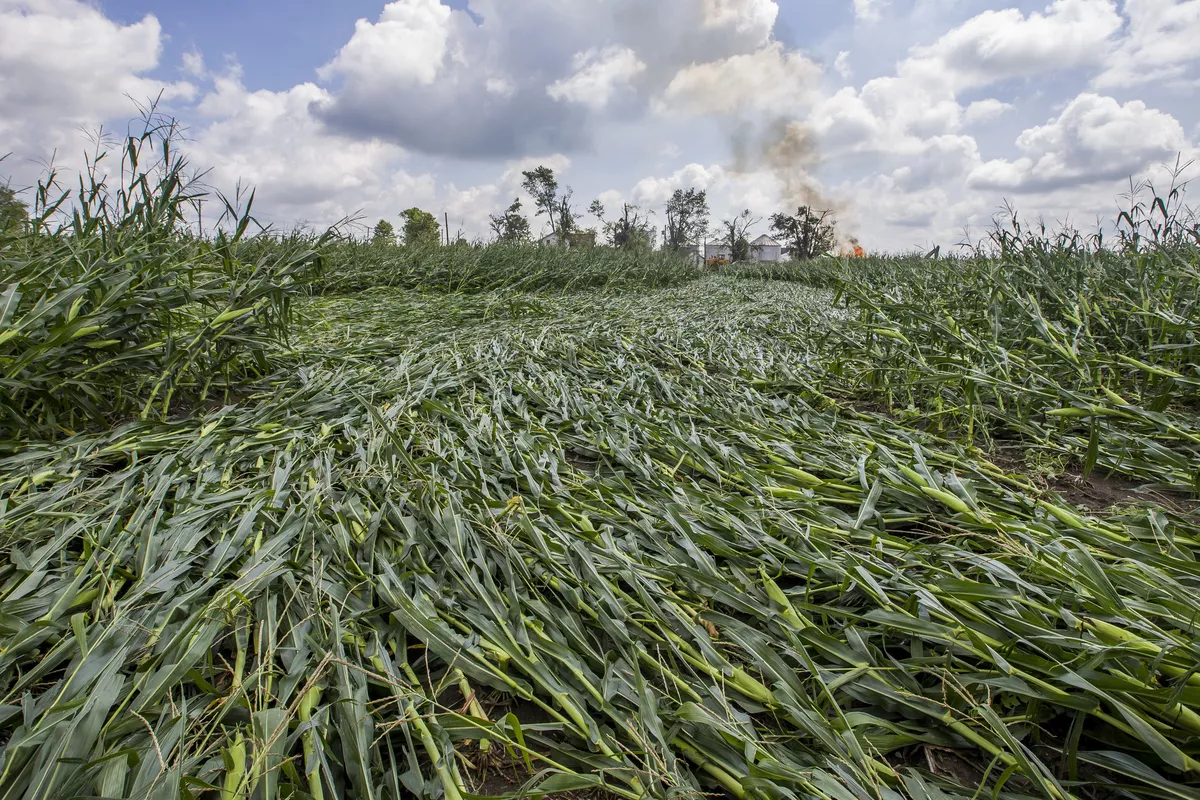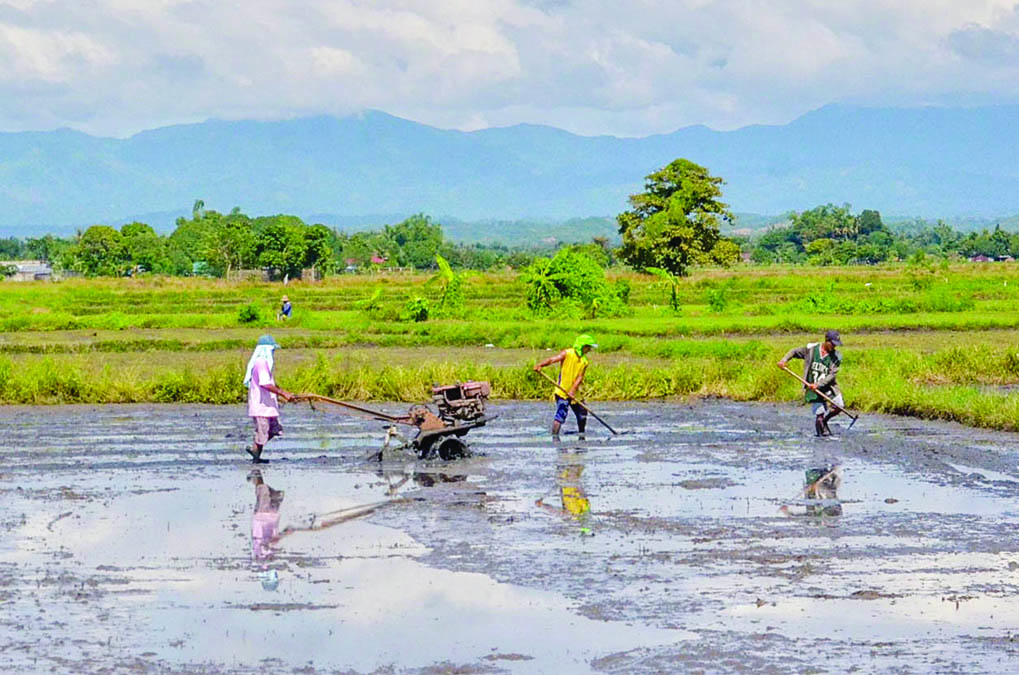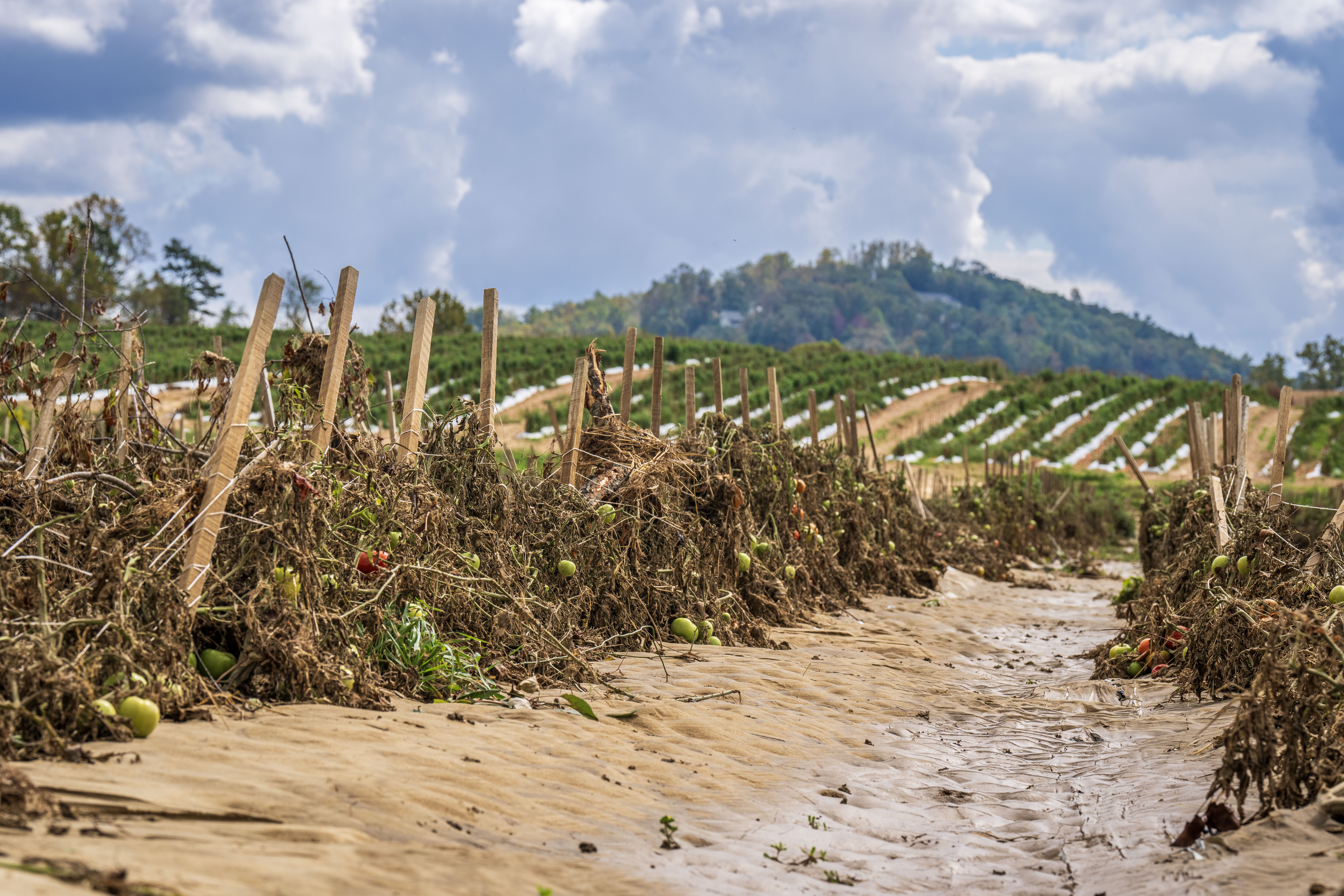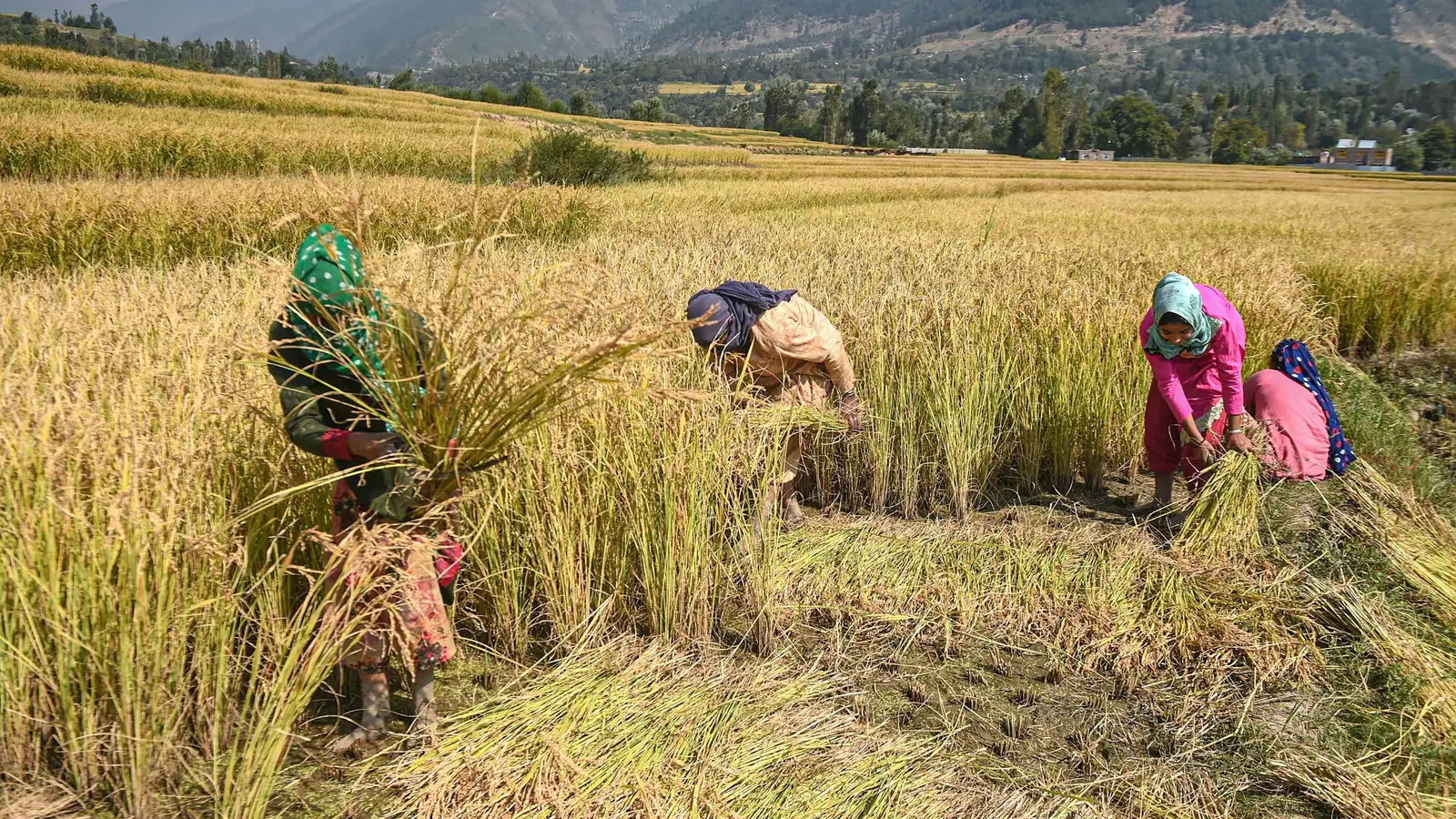
The across-the-globe rise in extreme weather conditions due to climate change impacts has led to a growing incidence of crop failures. The situation has become worse in ecologically fragile agricultural zones like India’s northeast region.
While crop damage due to recurring annual waves of floods and unabated erosion in Assam has been a perennial problem for farmers in Assam, increased extreme weather conditions like large excess rains, hailstorms, and long dry spells have precipitated the crisis.
Farmers are experimenting with new farming practice including the introduction of new climate-resilient varieties introduced by the Indian Council of Agricultural Research and Assam Agricultural University to build resilience, using modern agricultural inputs, etc.
Adoption of new farming practices comes with a cost, which requires the farmers to make substantial investments either from savings or by taking out loans.
Crop insurance plays a crucial role in absorbing economic shocks encountered by farmers due to crop failure or crop damage.
A recent report by the parliamentary Public Accounts Committee reveals a worrying picture of poor insurance coverage for farmers in the country. It points out that crop insurance coverage for farmers is much less compared to the farmers’ population, and when it comes to non-loanee farmers, the coverage is negligible.
The percentage of coverage of farmers during Khariff season ranged from 16 to 22 and from 8 to 12 during Rabi season, which implies that the majority of farmers have to manage the losses from crop damage or crop failure on their own, and in the event of any such eventualities, the farmers’ savings get eroded and their household budgets for other heads of expenses such as education, health, and food get reduced or compromised.
The parliamentary panel notes that, according to the information furnished by the Agriculture Ministry, lack of awareness among farmers about the crop insurance scheme and delays in settlement of claims by farmers are some of the primary reasons behind low coverage, despite the fact that the government bears the entire insurance claim liability of the farmers.
The Committee also highlighted a major gap in the implementation of the Pradhan Mantri Fasal Bima Yojana (PMFBY) in accurate estimation of crop yield for the purpose of releasing insurance claims from farmers.
The revised PMFBY Guidelines envisage the use of innovative technology for crop yield estimations, but the committee points out that infrastructure and manpower at the village or village panchayat level are highly deficient both in numbers and in quality.
Timely settlement of insurance claims gets delayed due to the absence of a robust system for crop yield estimation.
Under the PMFBY, farmers are provided comprehensive risk coverage for crops against all non-preventable natural risks from pre-sowing to post-harvest stages of the crops at a very minimum premium.
The scheme provides that actuarial/bidded premium rates are charged by insurance companies, but the farmers have to pay a maximum of 2% for Kharif, 1.5% for Rabi food and oilseed crops, and 5% for commercial and horticultural crops, and the balance of the actuarial/bidded premium is shared by the central and state governments on a 50:50 basis and 90:10 in the case of the North Eastern States and Himalayan States.
Official data shows that since the inception of the scheme in 2016–17 until Rabi 2022–23, against the farmers share of the premium of Rs. 30,800 crore, claims of Rs. 1,50,589 crore have been paid to the farmers, which is about five times the farmers share.
Information furnished by the government in the Lok Sabha highlights that some of the technology initiatives for objective crop damage and loss assessment and transparency have been approved for implementation with effect from 2023–24.
These are: YES-TECH (Yield Estimation System Based on Technology) for gradual migration to remote-sensing-based yield estimation to help assess yields as well as fair and accurate crop yield estimation, which was launched for paddy and wheat crops in Kharif 2023, wherein 30% weightage to yield estimation will mandatorily be assigned to YES-TECH-derived yield.
WINDS (Weather Information Network and Data System) for the Network of Automatic Weather Stations (AWS) and Automatic Rain Gauges (ARG) for collecting hyper-local weather data at gaon panchyat and block level and feeding the data into a national unified network of AWS and ARG with interoperability and sharing of data in coordination with the India Meteorological Department (IMD). Collection of real-time photos and observations of crops (CROPIC) is another technology of geotagged photographs for validation of sown crops with insured crops and use of pictorial analytics for objective crop damage assessment and crop yield estimation.
While these technology initiatives have triggered fresh hopes for timely and accurate estimation of crop yield, creating the required infrastructure and manpower, as pointed out by the parliamentary committee at the ground level, remains the key challenge. States pushing for adoption of these technologies under their e-governance initiatives can help overcome this challenge. Ensuring better crop insurance coverage for farmers is crucial for insulating them against climate shocks.
Source - https://www.sentinelassam.com