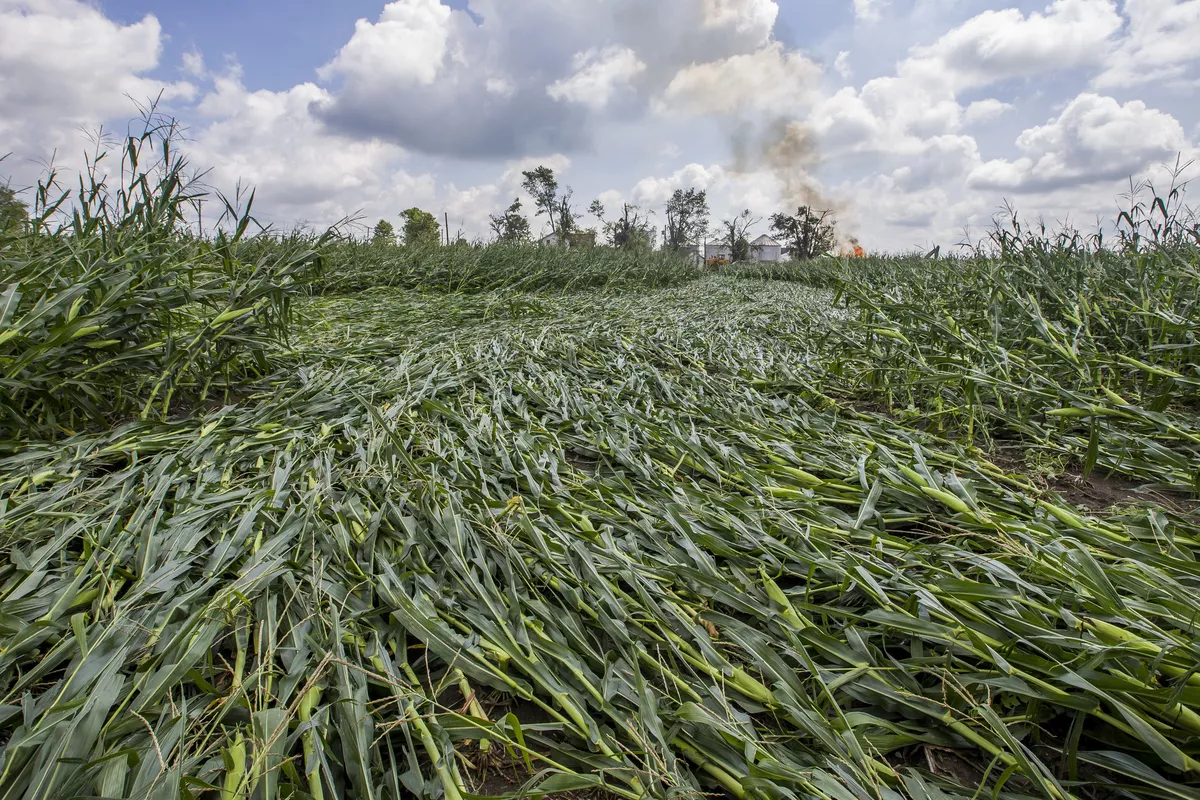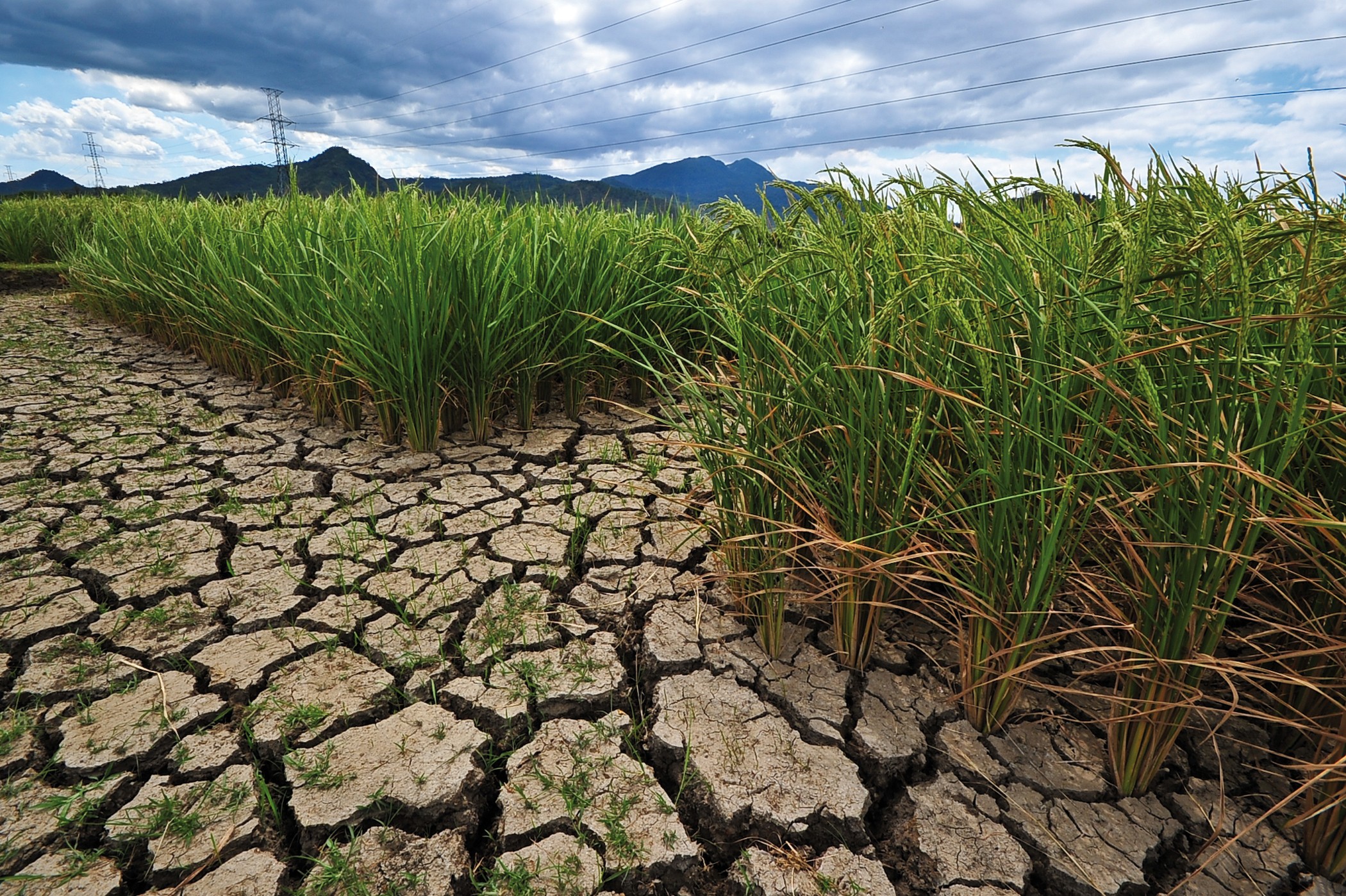
Rain departure during August in monsoon 2023 has led to crop failure in western Odisha. Long dry spells have led to water deficiency in many blocks and workers are expected to start migrating for work earlier this year. Many have already been approached by labour brokers to work in brick kilns in other states.
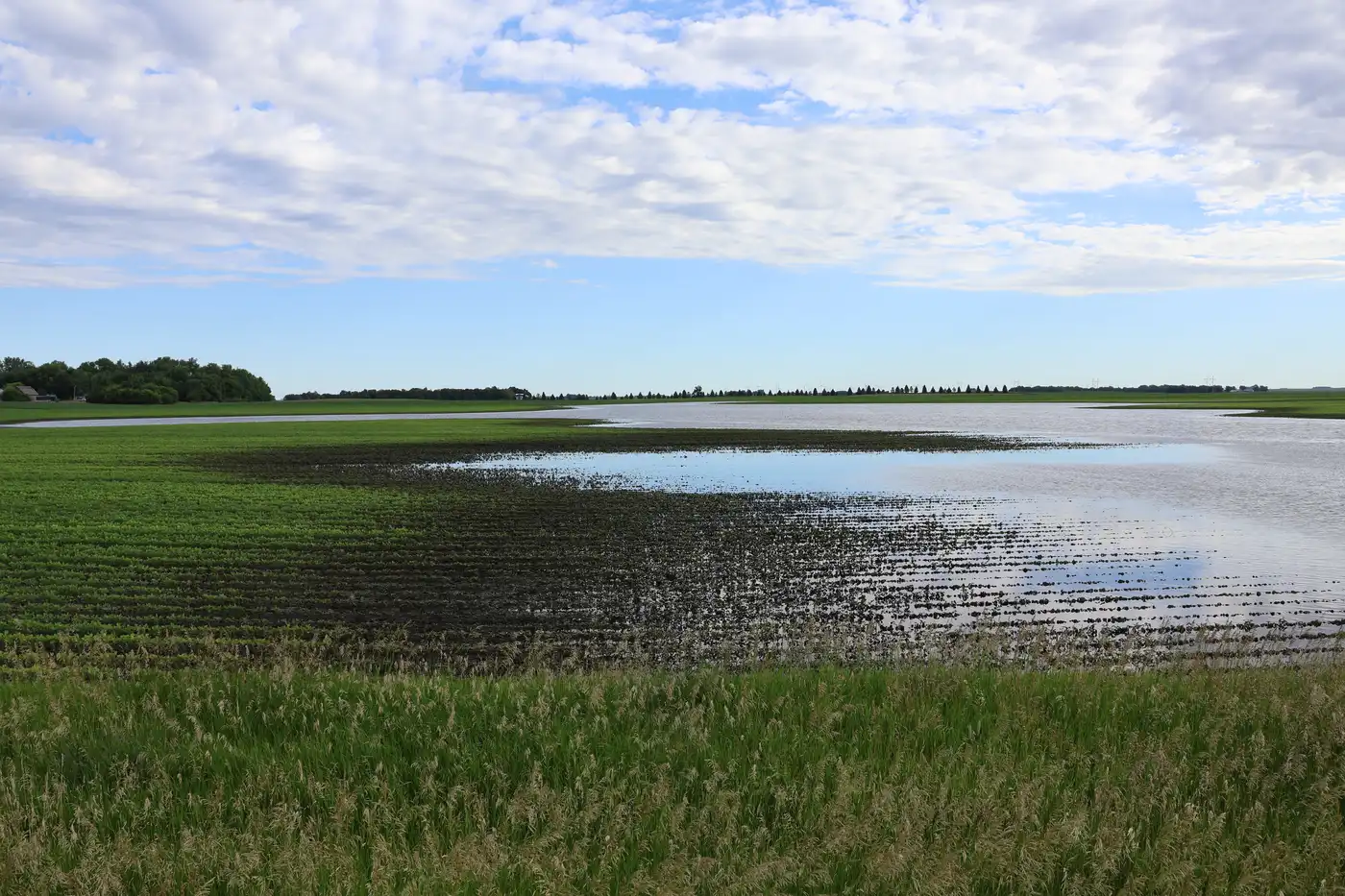
Manjulata Baitharu, a single mother of two in Singjhar village in Sinapali block, Odisha, cultivated about eight quintals of paddy from her 50 decimal or over 2,000 square metres of lowland last year. This year, the field looks gray with dried paddy crops.
Nilambar Majhi, another resident of the village, grew 50 quintals of paddy last year on three acres. This year, he won’t have a single grain, he said.
A total of 2,761 people live in the village and of them, 158 are recorded as cultivators and 1,430 are workers, according to 2011 census. The total cultivated land in Singjhar is about 1,200 acres, according to the villagers.
“There are very few big farmers with more than five acres of land; most cultivators have an average holding of less than one to two acres” a villager said.
“Two-thirds of the total land under rice crop has failed in our village,” said Somnath Baitharu, who has also faced similar loss in paddy crop in his 80 decimals of lowland.
The situation is similar in most of the villages of Kusumjor, Nangalbod, Nuamalpada and Kendumunda Panchayats of Sinapali block and Nagpada, Bhainsadani Panchayats of Boden block.
Similarly, Sunabeda and Soseng Panchayats of Komna block have faced a similar situation. In Khariar block Dohelpada and Bankapur Panchayats are affected.
The reason for crop loss in these Panchayats is the rainfall departure during August. The total rainfall in Nuapada district in August was 30 per cent less than the normal of 327.8 millimetres.
Khariar block in the district has received the least amount of rain. With only six moderate rainy days, the block has received only 150 mm of rainfall — 55 per cent less than the normal of 327.8 mm of rainfall in August.
The departure of rainfall in other four blocks is between 20 and 30 per cent.
A water deficiency has occurred due to a long dry spell of 16 days in the district. Khariar block saw a 25-day-long dry spell, whereas other blocks in the districts witnessed a dry spell of around 20 days.
Labour brokers are taking advantage of the situation. They have started moving to affected villages and offering advance payments to people willing to migrate to brick kilns, especially in Tamil Nadu, Andhra Pradesh and Telengana.
A major festival for western Odisha called Nuakhai will be celebrated on September 20 this year. As celebrating it requires a lot of money, it has become a usual practice among migrant workers for decades to take advances from the brokers to meet expenses of the festival.
Two villages of Boden block have reported having taken an advance from brokers.
The brokers were offering Rs 40,000 per person last year. This time, it is up to Rs 50,000-Rs 60,000, depending upon the period to be spent in the workplace.
Those who will leave immediately after the Nuakhai will be paid Rs 60,000, said a migrant worker of Patdarha village of Bhainsadani Panchayat. “Those who will start in November-December will be paid Rs 50,000. But most labourers who migrate after November will make bricks, those who will go after Nuakhai will be engaged in loading and unloading of bricks,” he added.
The migration pattern is a little different in villages like Bamniguda, Singjhar and Kusumjor villages of Sinapali block. Almost 50 per cent of the people of these villages, mostly between the age of 15 and 55 years, migrate.
Most labourers in these villages go to kilns through direct contact with the kiln owners/managers. These labourers from these villages usually go to different kilns located in Khamam, Mahabubabad and Medak districts of Telengana.
“Last year I took an advance of Rs 60,000 from the owner of a kiln for two people, went to the kiln in November and stayed there for five months. I and my wife made 120,000 bricks and got Rs 60,000 more while returning,” said Nilambar Majhi of Bamniguda village of Sinapali block.
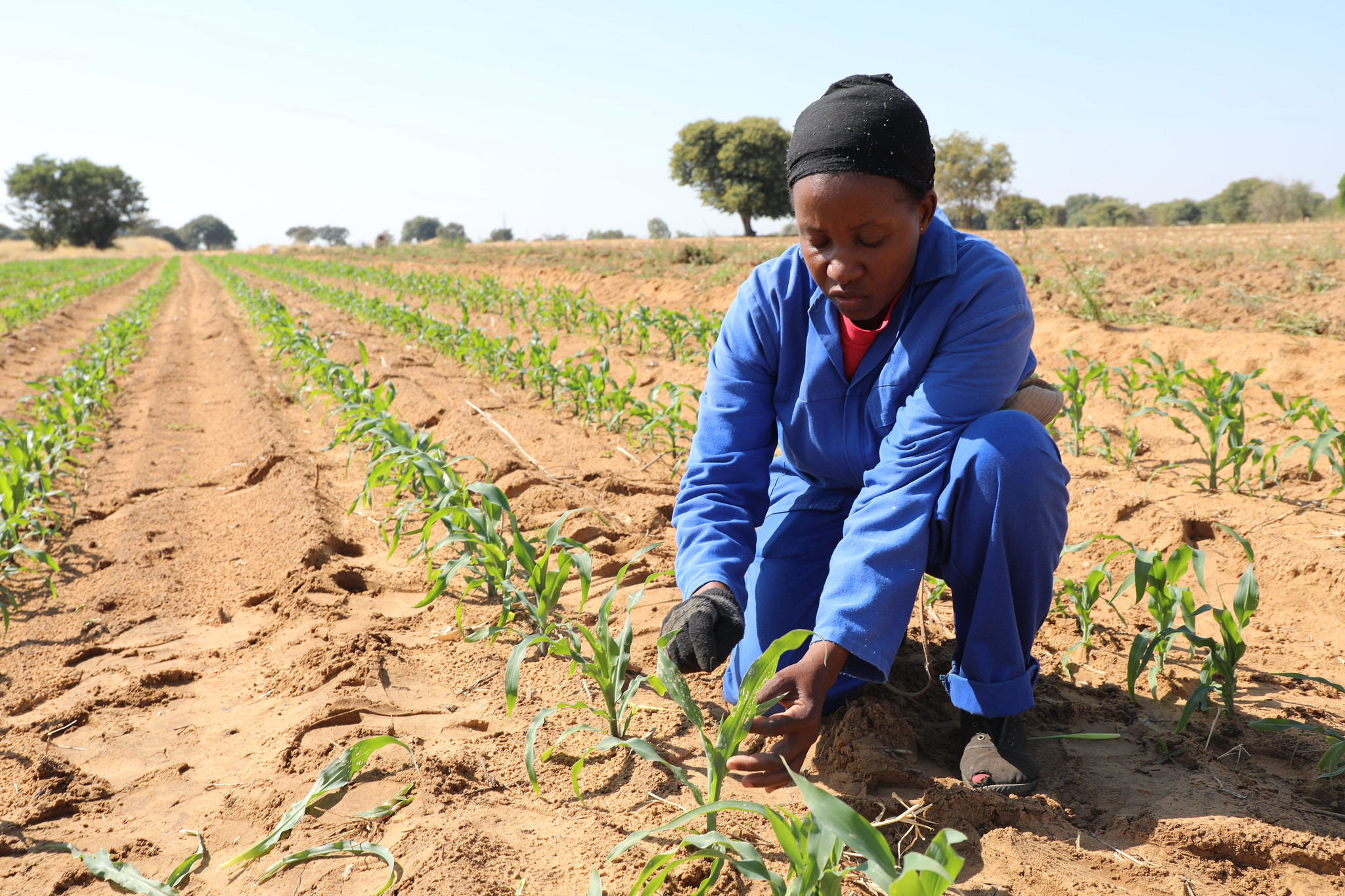
Majhi cultivated paddy on three acres of land this year, which completely dried up due to a water shortage. He had cultivated 50 quintals of paddy on the same land last year.
“Last year’s production was enough to meet my seven-member-family’s requirement for the whole year. Now, I am unsure about my future, how will the crop sustain the dry spell of long 25 days,” he asked.
Now, he is looking for work in nearby villages. Going to work in kilns in October would be the last resort for him.
With a population of 620,000, Nuapada district has about 150,000 workers. About 72,000 are migrant workers, showed the registration of people who returned home following the lockdown due to the COVID-19 pandemic.
Ever since the pandemic, a large number of migrations have been taking place from Sinapali block in Nuapada, which is just 22 kilometres from Chhattisgarh.
The usual time for leaving home for work is November, that is, after harvesting of middle-duration paddy. “This year the migration might start early in villages where crops have failed due to irregularity in rainfall,” said Hitesh Bagartti, former Member of the Legislative Assembly, Khariar.
“Some small and marginal farmers, who have done crop insurance, would wait till the crop survey/yield assessment is taken up by the administration,” he added.
Source - https://www.downtoearth.org.in