The Maharashtra government is set to officially declare a 100% drought by the end of September as prolonged dry spells devastate Kharif crops across 20 districts, prompting immediate relief measures and demands for federal assistance.
The Maharashtra government is preparing to officially declare a 100 percent drought across the state by the end of September, following a severe and prolonged rainfall deficit that has devastated the regional agricultural economy. Cooperation Minister Babasaheb Patil confirmed the imminent declaration, describing the current dry spell as the most severe crisis he has witnessed in his lifetime.
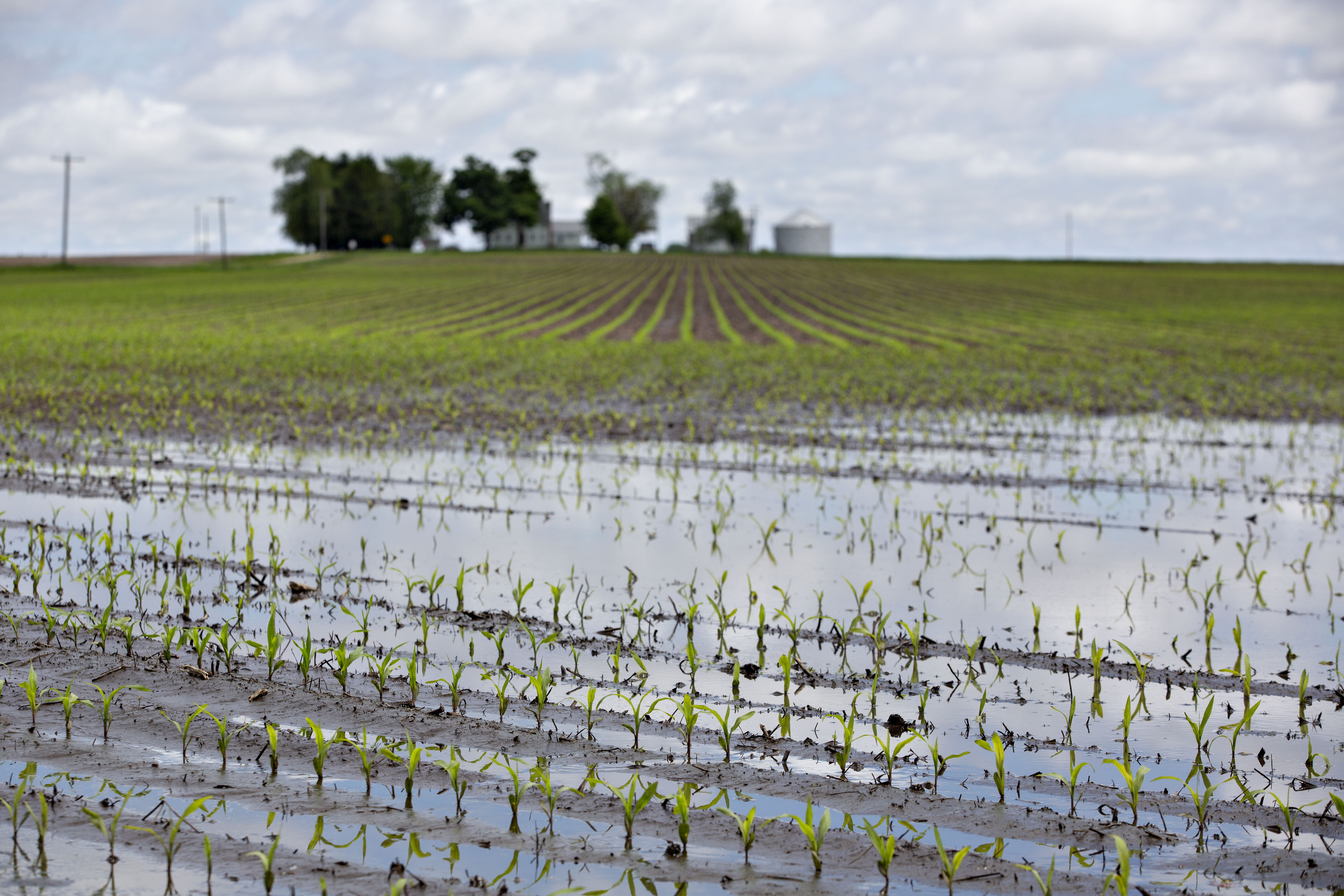
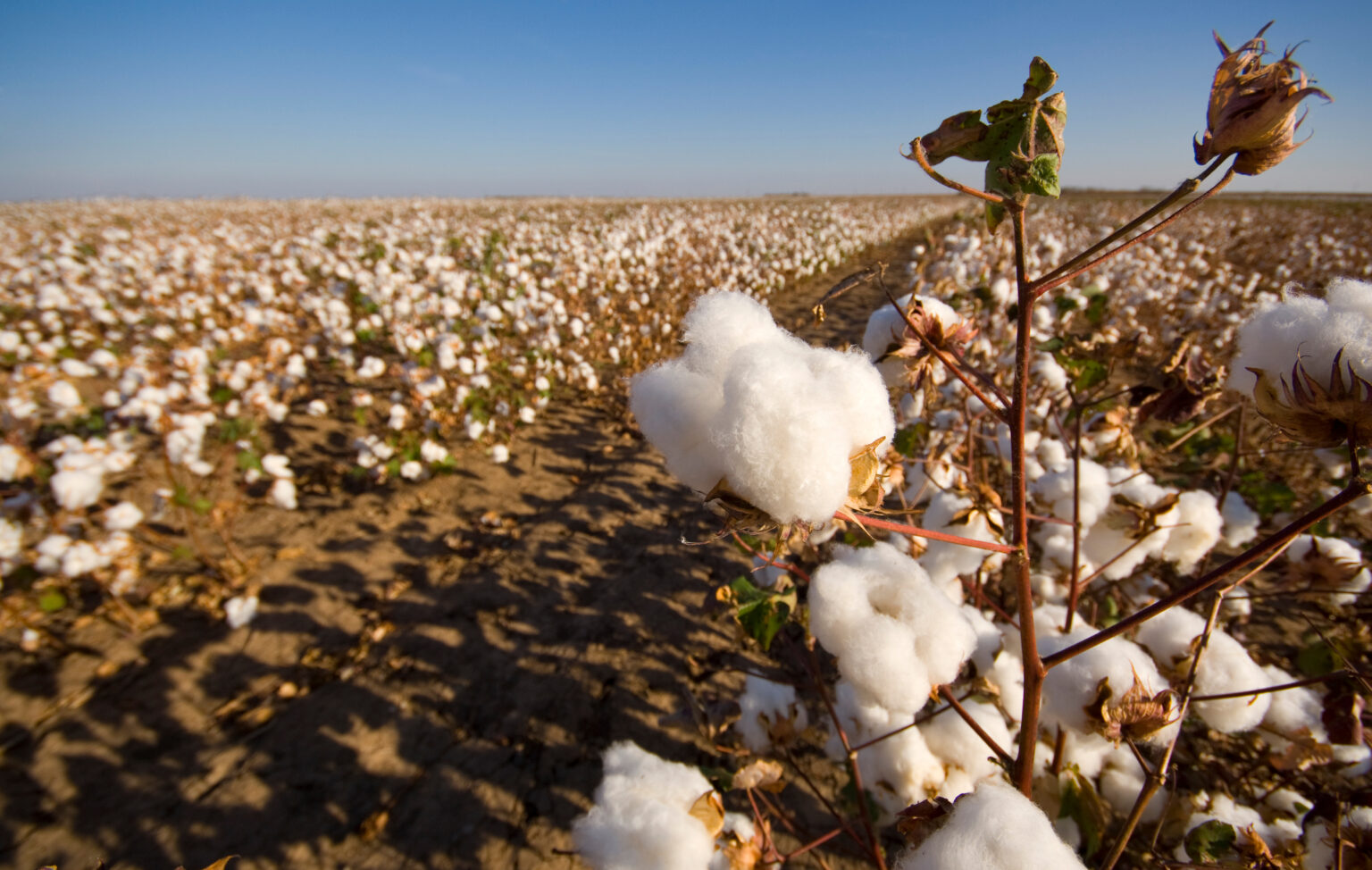
The lack of rainfall has decimated major Kharif crops, including soybean, cotton, and sugarcane, inflicting heavy financial losses on farmers. With 83 talukas across 20 districts recording no rainfall for over 20 days, the state administration is rushing to implement emergency relief measures. The formal declaration will trigger established protocols under the National Disaster Response Fund (NDRF), unlocking crucial financial assistance for affected rural communities.
Agricultural Impact and Rainfall Deficits
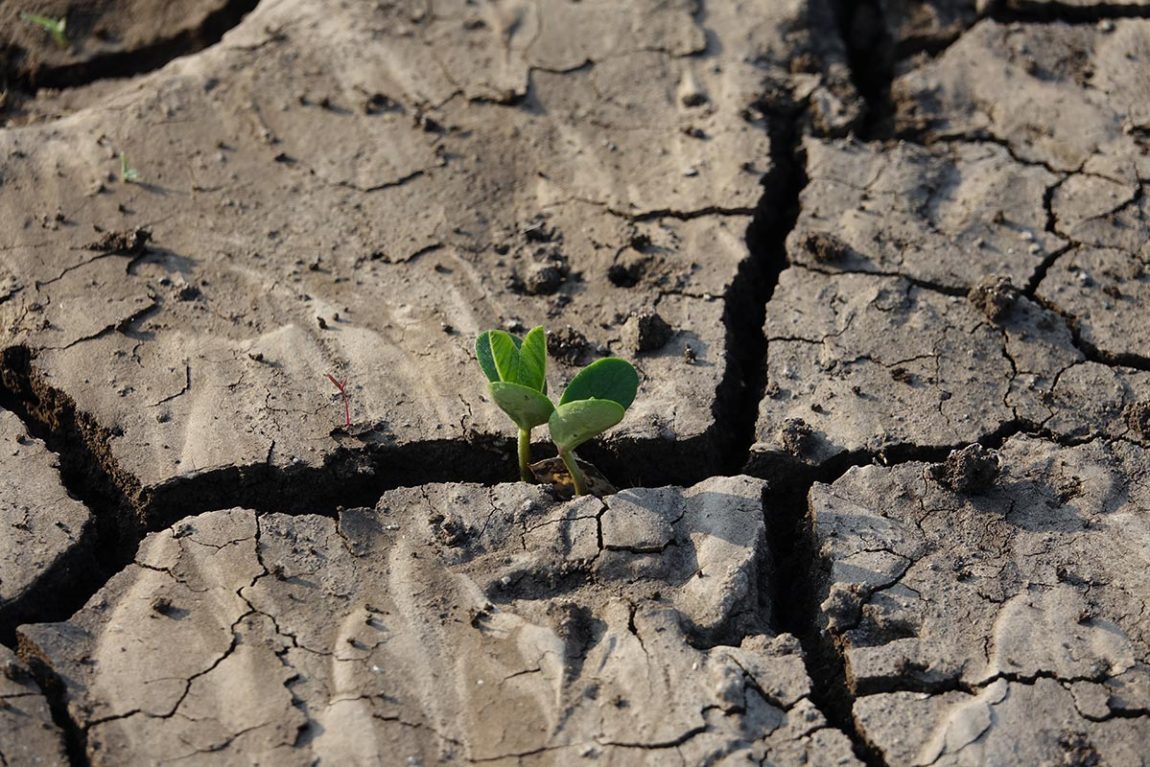
According to data from the State Agriculture Department, the monsoon failure has severely compromised the current planting season. At least six major agricultural districts—including Amravati, Solapur, and Latur—have registered rainfall deficits ranging from 40 to 50 percent. This prolonged dry period occurred during a critical growth phase for cash crops, leading to stunted yields and widespread crop failure.
"All crops, including soybean, cotton, and sugarcane, have suffered due to the dry spell, and the loss is huge," Patil told reporters. The agricultural crisis extends beyond immediate crop losses; it threatens the livelihoods of millions of farmers, tenant cultivators, and agricultural labourers who depend on the Kharif harvest for their annual income.
Historically, the state government has maintained that formal crop damage assessments and ground-level surveys would only be conducted after October 5. However, the accelerating severity of the water crisis has prompted a shift in policy, marking the first time a senior minister from the ruling Mahayuti coalition has publicly committed to a comprehensive drought declaration before the completion of the standard assessment timeline.
Government Response and Water Management
In response to the escalating crisis, Chief Minister Devendra Fadnavis announced that the first official notification regarding drought mitigation would be issued imminently. Fadnavis assured the public that the state would not wait for federal funds to begin providing relief.
"Just declaring drought is not enough. We need to ensure that measures related to drought mitigation are implemented," Fadnavis stated following a cabinet meeting in Mumbai. He confirmed that while a formal proposal for central assistance is being drafted in accordance with NDRF rules, state-level interventions have already commenced.
These initial measures include the waiver of educational fees for students from affected areas and the cancellation of agricultural electricity bills. Furthermore, the government has deployed water tankers to villages facing acute drinking water shortages, such as Naichakur in the Dharashiv district.
However, the state has directed district administrations to prioritize sustainable water management over emergency deliveries. A recent circular from the State Soil and Water Conservation Department instructed local authorities to focus on reviving existing water sources and developing village-level water supply networks, rather than relying on tankers as the primary solution. The Groundwater Surveys and Development Agency has been tasked with identifying vulnerable villages and submitting comprehensive intervention plans by October.
Political Pressure and Opposition Demands
The impending drought declaration arrives against a backdrop of mounting political pressure from opposition parties, who argue that the government's response has been reactive and delayed. The state's agricultural distress has quickly become a central political issue, with leaders demanding sweeping financial interventions to protect the rural economy.
Nationalist Congress Party (Sharadchandra Pawar faction) leader Sharad Pawar has called for immediate and substantial direct compensation, demanding Rs 50,000 per hectare for farmers who have lost their crops. In a formal letter to the state administration, Pawar urged the government to expedite the deployment of water tankers to protect surviving orchards and to establish dedicated fodder camps to sustain livestock.
Pawar also expanded the scope of relief demands, insisting that the government waive all educational fees—not just examination fees—for students from drought-hit regions. He recommended the creation of state and district-level control rooms to monitor rainfall, crop health, fodder stocks, and water availability on a daily basis.
Broader Climate Context and Next Steps
Maharashtra's recurring battle with drought underscores systemic vulnerabilities in the region's agricultural infrastructure and water management strategies. While emergency fee waivers and tanker deployments provide necessary short-term relief, experts consistently point to the need for long-term climate adaptation, improved irrigation networks, and sustainable groundwater usage.
The situation in Maharashtra reflects a broader regional crisis, as neighbouring states also grapple with significant rainfall deficits. Karnataka is reportedly preparing to declare up to 200 talukas as drought-hit following a 36 percent overall rainfall deficit, while Andhra Pradesh faces similar agricultural challenges. This widespread climatic stress places additional pressure on national food security and federal disaster relief budgets.
The economic implications for Maharashtra are profound. The state's rural economy relies heavily on the success of its cash crops, which feed into the textile and sugar manufacturing sectors. A complete failure of the Kharif harvest threatens to suppress rural demand, increase agricultural debt defaults, and trigger distress migration from villages to urban centres.
As the state prepares to formalise the 100 percent drought declaration, the immediate priority remains the efficient distribution of relief funds and the stabilization of drinking water supplies. For the millions of farmers currently facing ruined harvests and dry wells, the promised financial assistance and mitigation strategies are critical lifelines in navigating the economic fallout of this year's severe climatic disruption.
Source - https://streamlinefeed.co.ke