India - Prakasam reports crop loss in 62,000 hectares

24.11.2021 697 views

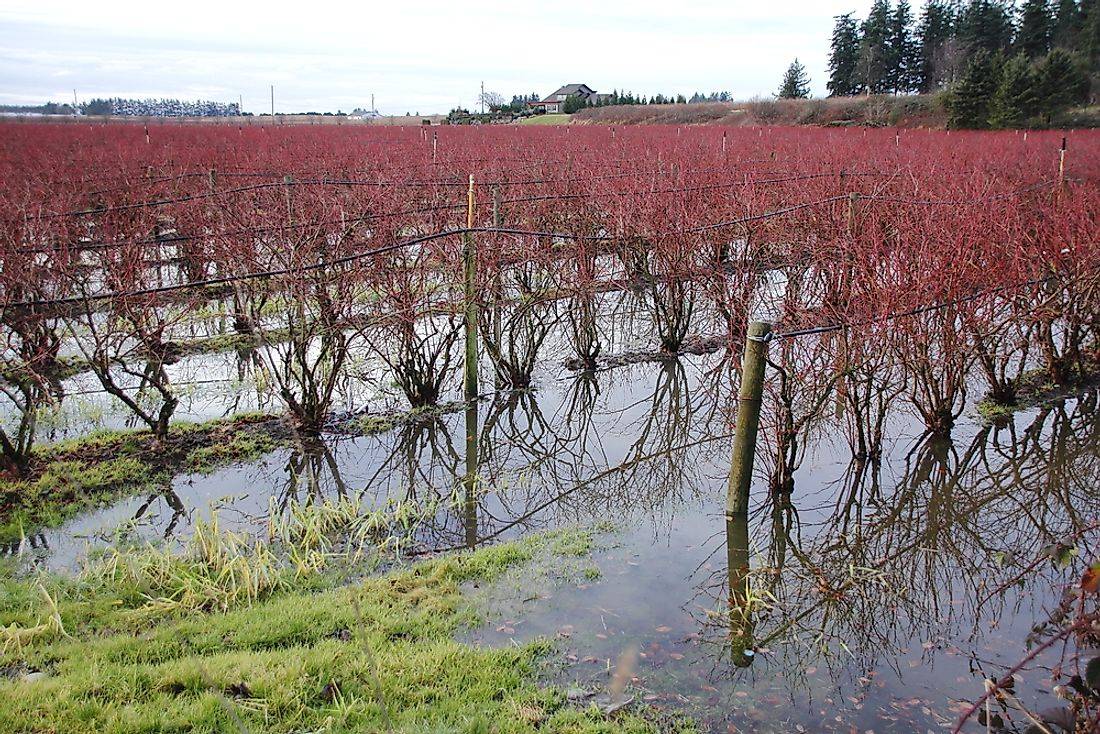
The district Agriculture Department has revised its crop loss report with the latest data and re-submitted it to the State government. The department had earlier submitted a report stating that crops were damaged in a total extent of 11,871 hectares across the district until Sunday. However, after compiling all the latest reports, the extent of crop loss has increased to a total of 62,464.41 hectares. 

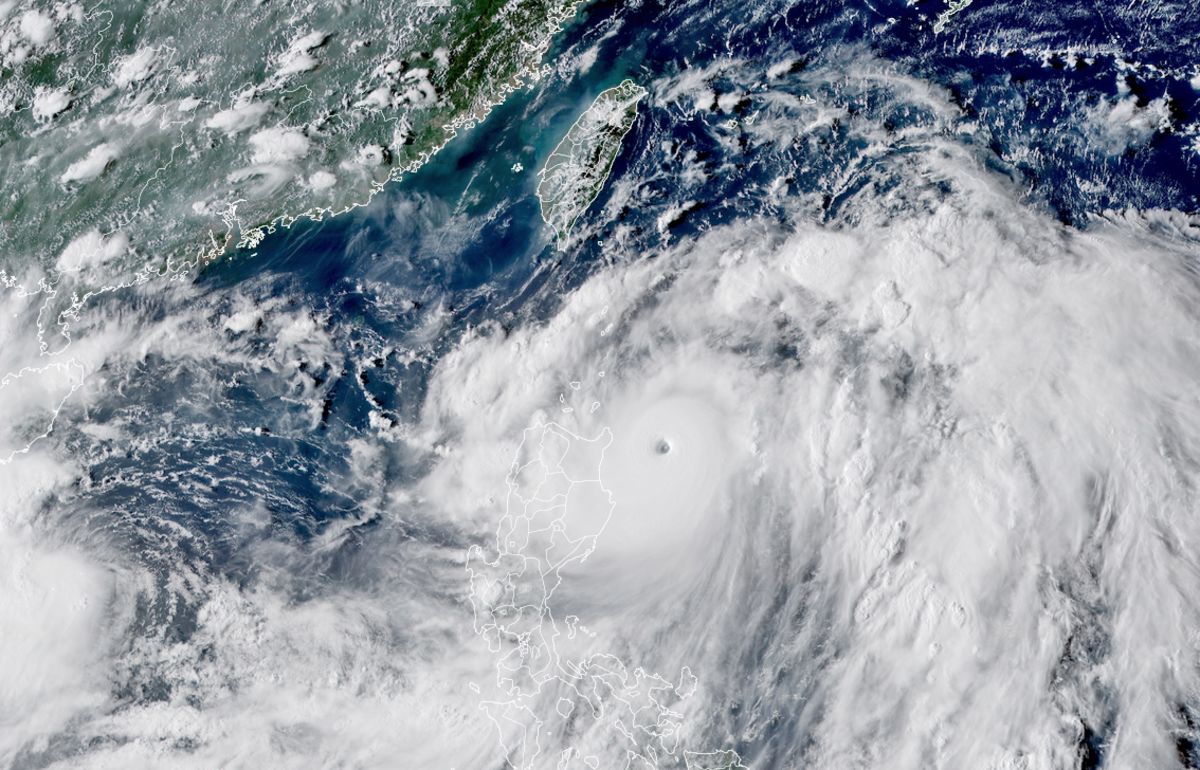
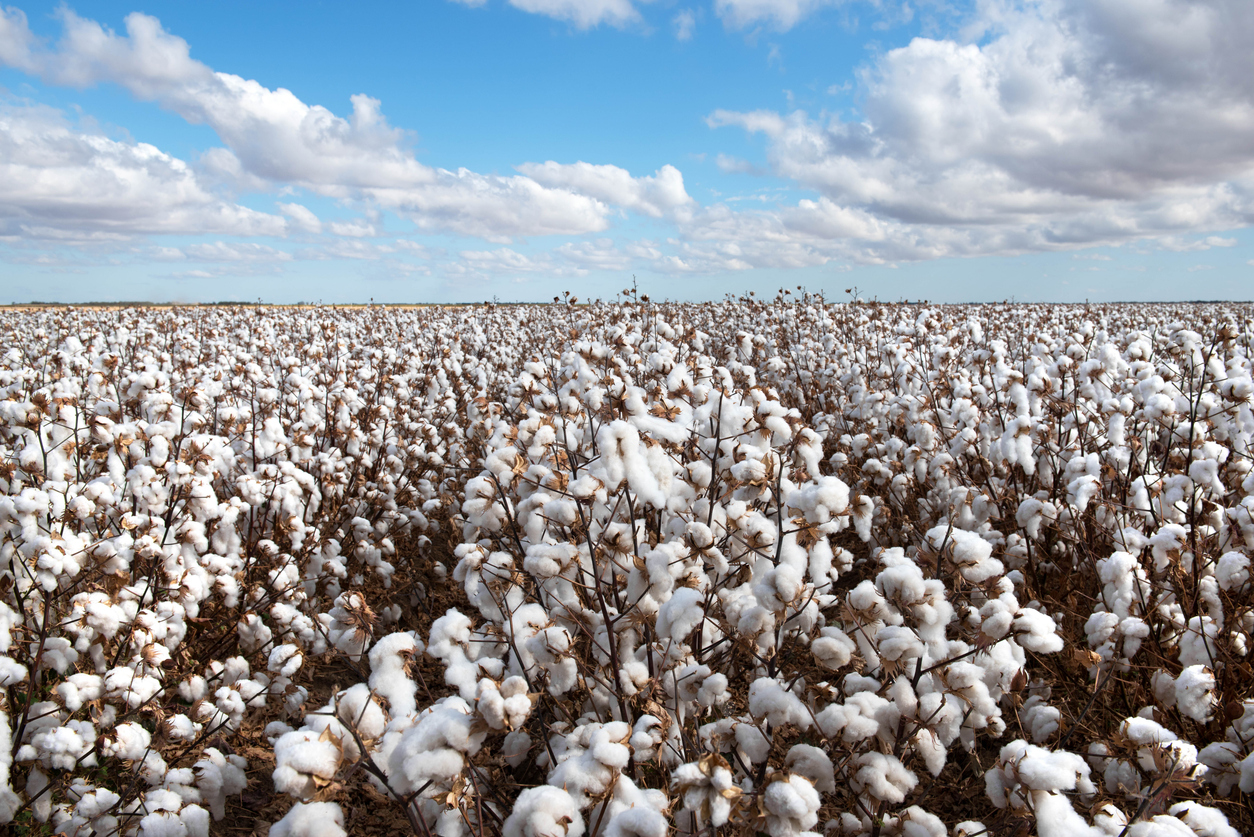
In the current Kharif season, crops in 29,321.37 hectares from 26 mandals were damaged. Similarly, Rabi crops in 33,143 hectares in 25 mandals of the district were under water due to heavy rains. Kharif crops such as Cotton, Paddy, Black Gram, Maize and Jute were affected in large quantities. Black Gram crop in 17,091 hectares in 18 mandals and Bengal Gram (Chana dal/Chick pea) crop in 15,241 hectares in 11 mandals was ruined due to stagnation of water. 

As per official estimates, damage to Rs 35 lakh worth Black Gram and Bengal Gram crops has been reported. Currently, the officials are calculating the volume of the total damage to the agriculture sector. 

District Collector Praveen Kumar visited various rainfall-hit fields in Martur and Ballikurava Mandal limits on Tuesday and spoke to the farmers about the extent of crop damages. He directed the officials to expedite the crop damages survey and ensure that each and every farmer who lost their crops should get all possible support from the government.    

“We have collected the crop loss data through our field staff and submitted the revised report to the government. As the enumeration of some parts of the district is under process, the reports will be sent again to the government with updated information,” Joint Director of Agriculture (JDA), Srinivasa Rao told TNIE. 

As many as 45 mandals in the district were badly affected due to the incessant rains. Some mandals have also reported property loss. A total of 150 houses were ruined, making the owners homeless. Authorities provided temporary shelters to them  immediately. 

Source - https://www.newindianexpress.com

15.12.2025

India - Delayed crop loss survey keeps Cauvery delta farmers in limbo

Nearly 90,000 hectares of samba and thalady crops are submerged, raising fears for the next cultivation cycle.

15.12.2025

Romanian farmers to get financing support with €25 million EIB loan to Agricover Credit

Romanian farmers will be eligible for extra financing as a result of a €25 million loan that Agricover Credit IFN SA is receiving from the European Investment Bank (EIB). 

15.12.2025

UAE launches AI ecosystem to boost global agricultural resilience

The United Arab Emirates has launched an AI-powered agricultural ecosystem, partnering with global institutions to help farmers adapt to climate change and food security challenges.

15.12.2025

Bulgaria Opens €278M CAP Grant Calls for Farm Investments in Vulnerable Sectors

CAP Investment Support Calls Open in Bulgaria

15.12.2025

India - Maize Farmers in Bihar’s East Champaran Hit by Crop Diseases After Floods and Drought

Farmers in eastern Bihar say fungal and bacterial infections are damaging young maize plants, raising fears of yield losses after a season already disrupted by floods and drought. 

15.12.2025

Farmers’ Revolt in Greece Intensifies Amid State Repression

Greek farmers have escalated nationwide protests in December 2025, deploying thousands of tractors to block major highways, borders, ports, and even airports like Heraklion in Crete. 

14.12.2025

USA - USDA launches $700 million pilot to expand regenerative agriculture

The U.S. Department of Agriculture on Wednesday unveiled a $700 million pilot program to help farmers adopt regenerative agriculture practices aimed at improving soil health, water quality and long-term farm productivity while strengthening the nation’s food supply.

14.12.2025

South Africa - Hail and flooding demand critical crop insurance safety net

A single storm can wipe out a season's work. With climate change creating new hail hotspots, as seen across four South African provinces recently, the threat is less predictable than ever.