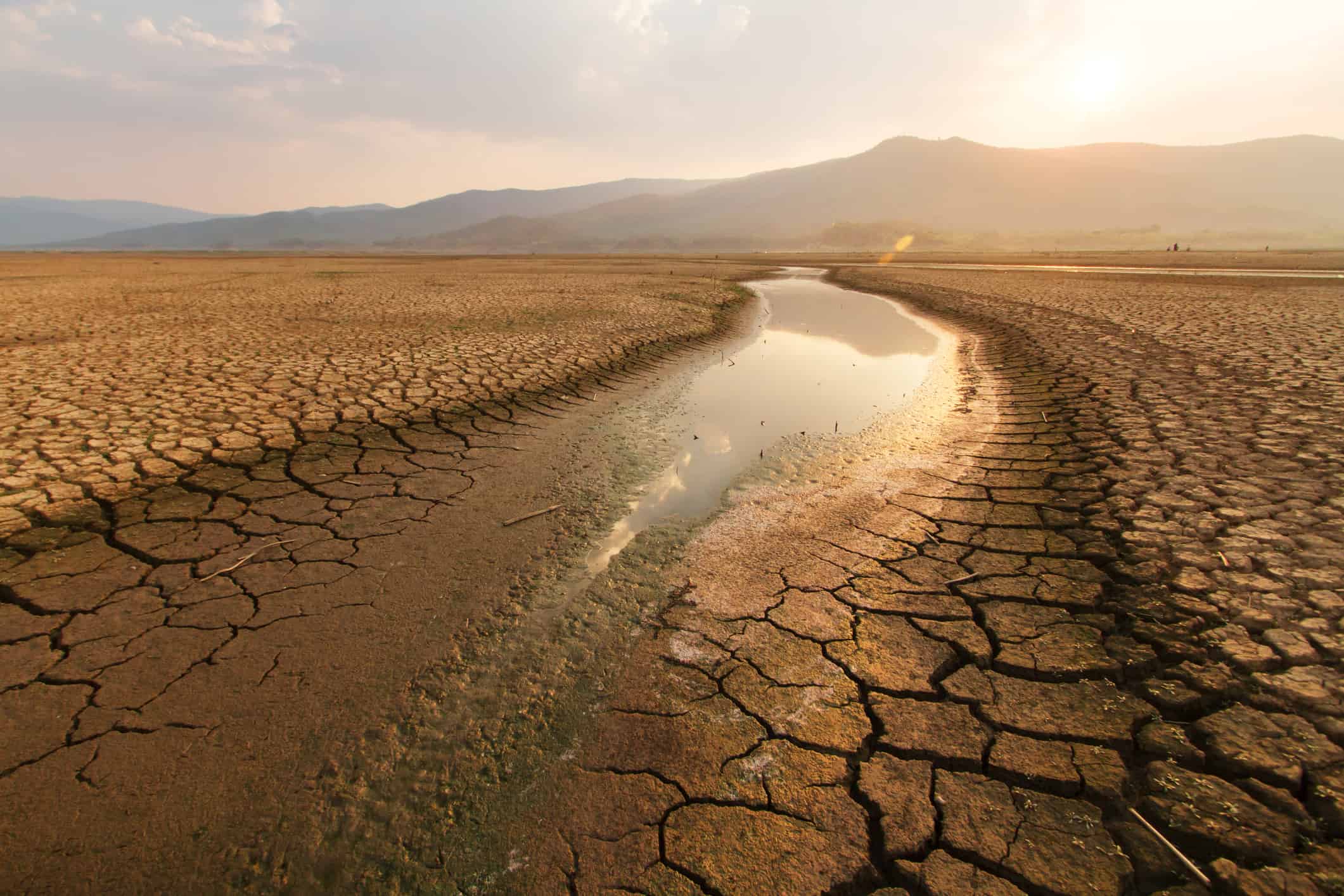
The Maharashtra government has expanded the drought-hit area in Pune district from eight to ten talukas, adding Junnar and Ambegaon after prolonged breaks in rainfall affected kharif crop growth and increased the need for irrigation water.
The state has increased the total number of drought-hit talukas across Maharashtra from 265 to 305. In Pune district, drought criteria had earlier been applied to Baramati, Shirur, Daund, Indapur, Purandar, Khed, Bhor and Rajgad. Junnar and Ambegaon have now been included following a review of rainfall variation and dry spells.
Crop-loss assessments, or panchnamas, will be conducted in Junnar and Ambegaon, according to the report. Pune district collector Jitendra Dudi said the assessments would be completed as soon as possible. The assessments are expected to establish the extent of crop damage and support the implementation of relief measures for affected farmers.
The rainfall deficit has affected crop growth across the district. Baramati, Shirur and Daund recorded a 51-day break in rainfall, while Purandar experienced a 50-day dry spell and Indapur 48 days, according to the report. These rainfall gaps, along with differences in recorded precipitation, were used while applying drought criteria in the initial eight talukas.
Farmers in the newly included talukas are facing reduced soil moisture, stunted crop growth and higher water requirements for irrigation. Difficulties with electricity supply have also made it harder to provide water to fields on time, farmers said. The combination of lower rainfall and additional irrigation costs has increased the financial pressure on cultivators.
Pallavi Pate, a farmer from Junnar, said the prolonged gap in rainfall had left crops without adequate moisture and forced farmers to spend more to keep them alive. She said crop-loss assessments needed to be completed on time so that affected farmers could receive direct assistance.
Sachin Bade, another farmer from Junnar, said farmers were struggling both to secure irrigation water and to meet rising cultivation costs. He also said water availability for the rabi season would be important, making the early implementation of drought measures a priority for farmers.
The inclusion of Junnar and Ambegaon shifts the immediate focus from the drought declaration to its administrative execution. The next steps are the completion of crop-loss assessments in the two talukas and the implementation of relief measures based on the findings. Farmers are also watching the availability of water and electricity as the district moves towards the rabi season.
Source - https://urbanacres.in