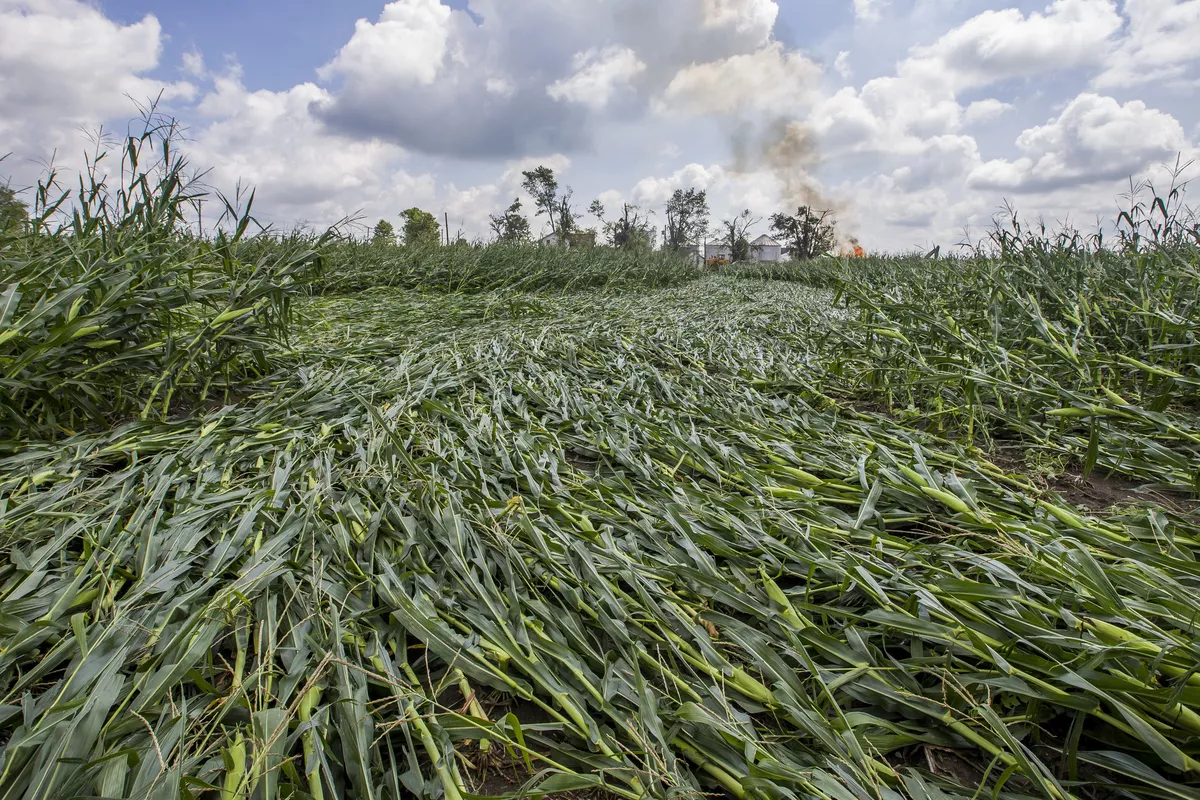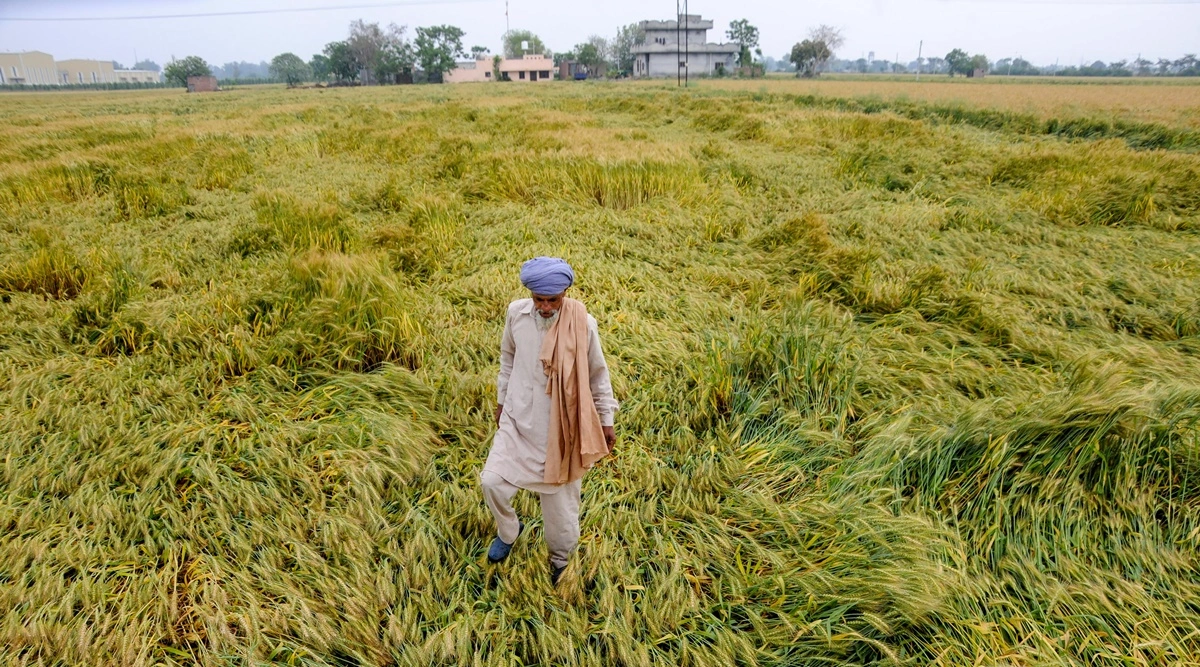
The vagaries if nature continued to wreak havoc on rice growers in Punjab and Haryana with a sudden spell of rain lashing many parts of the two states Monday, flattening the standing crop, which was ready for harvesting. Farmers, who had already harvested their produce and taken it to mandis also found themselves in a piquant situation with rain paddy sacks getting soaked in showers.
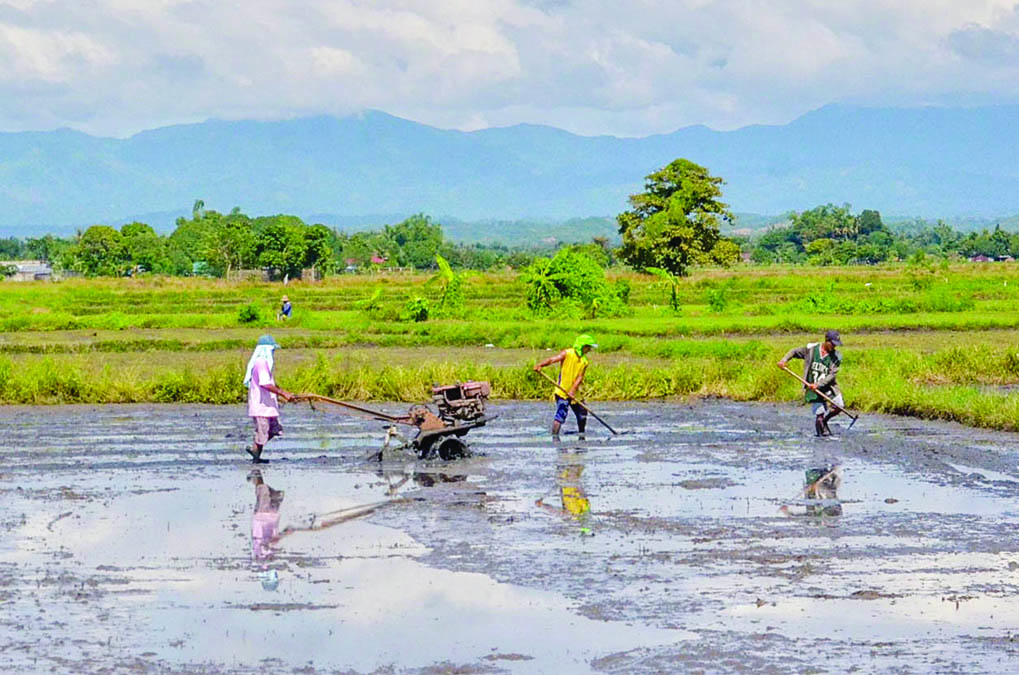
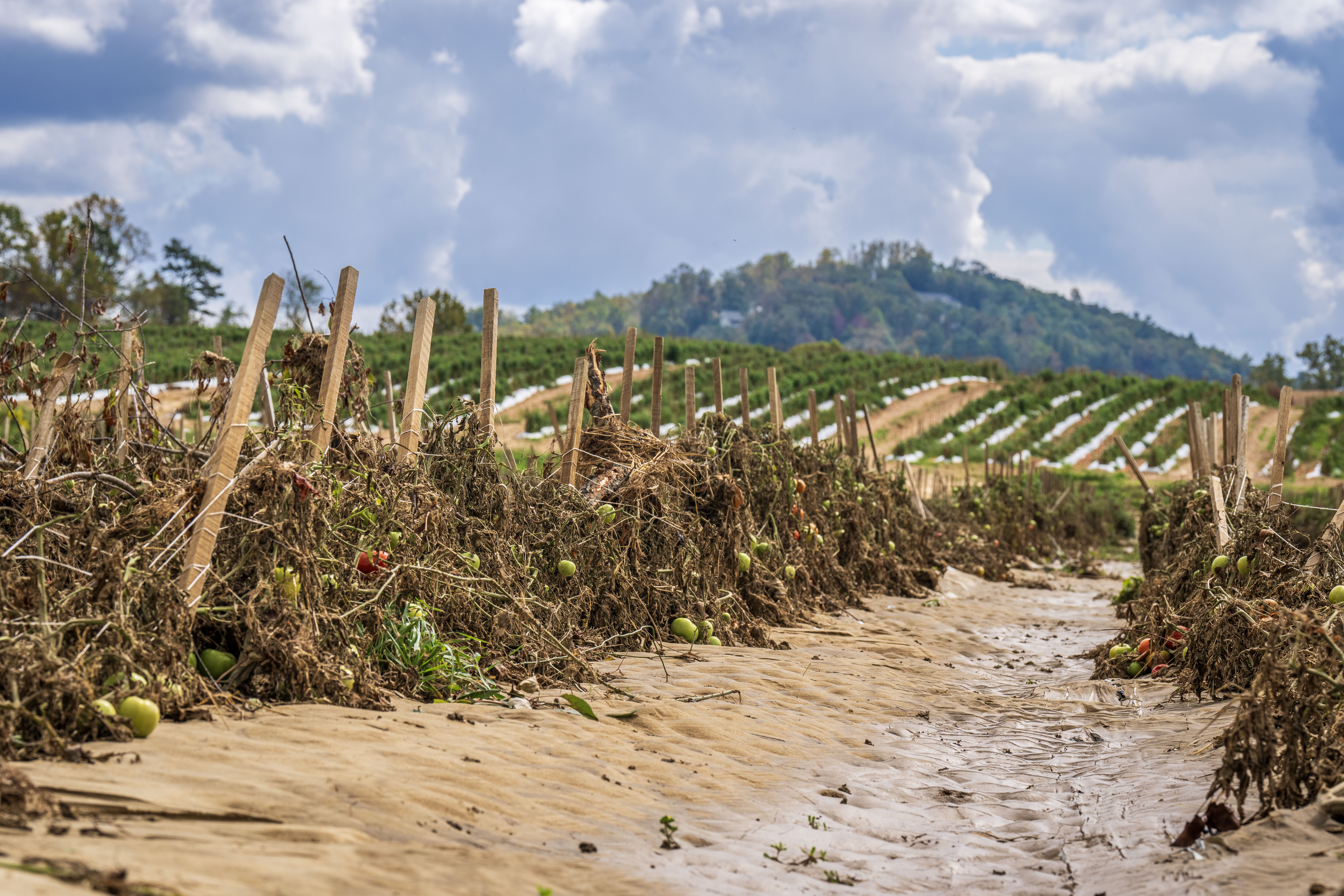
For paddy farmers in Punjab, this season has been unending cycle of loss, beginning with crop getting destroyed in floods in July and August, followed by re-transplantation of saplings in nearly 2.50 lakh acres, and now rain, coupled with hailstorm and strong winds, inflicted heavy damage and delaying by about 4-5 days the harvesting.
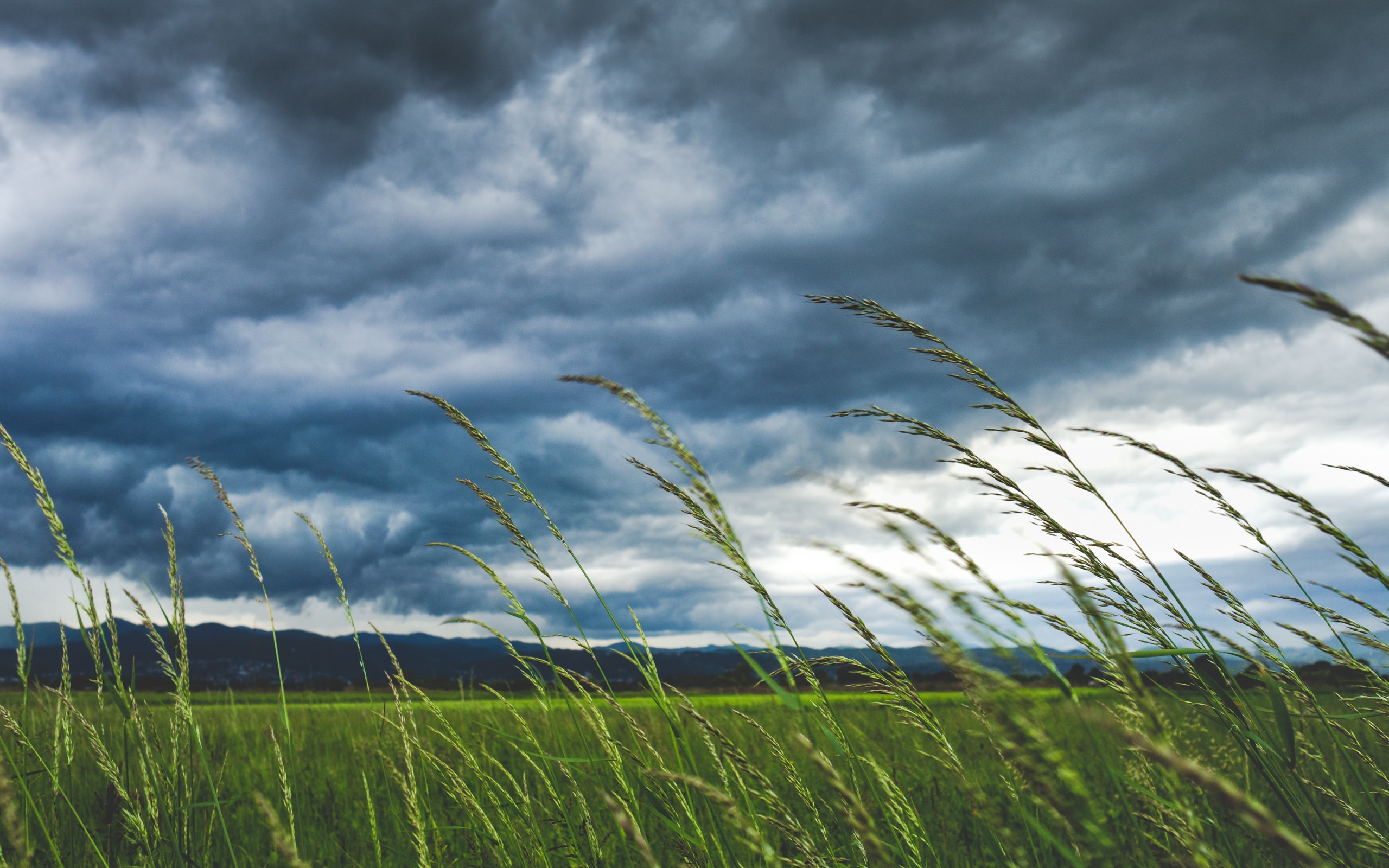
The Indian Meteorological Department’s Chandigarh centre had issued a warning indicating heavy rain at isolated places on Monday in Punjab, along with thunderstorms and lightning at isolated places on on Monday and Tuesday. In Haryana, thunderstorms, lightning, and gusty winds at isolated places were predicted for Monday and thunderstorm and lightning on the Tuesday.
Except for Fazilka, all districts in Punjab have recorded 14 to 880 per cent excess rainfall in the past week. Rain flattens paddy in Punjab, Haryana farms, drenches produce in mandis the overall excess rainfall for the state is 199%, with more than 150% occurring in the past few days.
Farmers are facing challenges due to the unfavorable weather. Rainfall has led to crop damage, causing concern for farmers who were already experiencing difficulties with the early-maturing Pusa-1509 basmati variety. The ongoing strike by arhtiyas (commission agents) along with absence of basmati exporters from the mandis due to unresolved demands, has further complicated the situation.
Randhir Singh, a farmer at Amritsar grain market, had harvested Pusa-1509 basmati from half of his 10-acre land only two days ago. He was hoping to get the prevailing rate of Rs 3,100 per quintal before it dropped any further. Until two weeks ago, this variety was selling for Rs 3,600-3,800 per quintal.
However, he couldn’t sell the harvested crop due to a strike called by arhtiyas in Punjab on Monday. Randhir said that despite all his efforts, it got badly drenched in the mandi and he anticipates that he won’t be able to secure more than Rs 2,600 to 2,700 per quintal now.
Furthermore, the rains since Sunday night have flattened Randhir’s remaining crop. He is concerned that the rain will further delay the harvesting, leading to discoloration and even germination, which will reduce the crop’s price. He is now pinning hopes on the state government for compensation.
“This damage is impacting all Basmati and paddy varieties because by this time, the harvesting of almost all the varieties has begun in the state. The standing crop is susceptible to damage from lodging and the germination of mature grains,” said Chief Agriculture Officer, Kapurthala, Naresh Gulati.
Farmer Kulbir Singh from Gurdaspur, who grows Pusa-1121 Basmati and other paddy varieties, sais his farms have witnessed heavy lodging.
“All my crops would have been ready by next week, but now the rain has delayed the harvesting, and lodging has damaged the crop on seven acres. I cannot harvest the crop until the water drains out. If during this period, the grains turn black due to fungal infestation or germinate, it will result in a significant loss,” said Kulbir.
In Gurdaspur, 22 mm of rain was recorded in the past couple of days, with 15 mm on Monday.
District Training Officer, Punjab agriculture department, Gurdaspur, Dr Amrik Singh said that no rain was needed at this time as it will delay the paddy harvesting and leave no proper window for managing stubble before wheat sowing. He added that it will lead to heavy moisture in the crop.
Farmer Jaswinder Singh experienced a similar situation in Jalandhar. His 90 quintals of paddy crop got drenched in the mandi. In Jalandhar, there has been 28 mm of rain in recent days, including 6.5 mm on Monday morning.
Vijay Setia, former president of the All-India Rice Exporters’ Association, emphasized that they will not enter the mandis until the central government reduces the Minimum Export Price (MEP) of Basmati from $1,200 per quintal to $850 per quintal. The delay in crop purchase is impacting thousands of daily laborers and farmers alike.
Punjab Arhtiya Association president Ravinder Singh Cheema also called on the government to address their genuine demands promptly, as further delays in crop purchases will have significant repercussions for the mandis.
As of now, 25.01 lakh tonnes of paddy have arrived in the Punjab mandis, of which 23.99 lakh tonnes were purchased. Nearly 15.76 lakh tonnes remain in the mandis, awaiting transportation to government-designated godowns or rice mills. The mandis are currently filled with purchased crops and new arrivals.
Meanwhile, in Haryana’s Ambala farm activist Tejveer Singh, said that adverse weather has hit several villages, which were already hit by the floods in July this year. “The most difficult times for the farmers are in mandis at this stage as more than half of the produce has already been taken there. We have learnt that the rain and hailstorm have caused heavy losses to the paddy crop in the mandi of Kaithal,” said Singh, who is also a spokesperson of Bhartiya Kisan Union.
Source - https://indianexpress.com