For the first time in eight years, India's rice output is expected to drop this year, raising the prospect that Prime Minister Narendra Modi's government will extend curbs on exports of the grain to keep a lid on food prices ahead of elections.
Production in India, the world's largest rice exporter, is under unusually intense focus after New Delhi banned exports of non-basmati white rice in July, sending global prices surging.
However, the state of the crop is hard to predict following an uneven monsoon. Output could fall as much as 8% from last year's record despite an increase in area under paddy, according to various forecasts.
The weaker output along with persistently high domestic rice prices ahead of five state elections this month and a general election next year have left farmers and traders worried that the government will prolong restrictions on exporting the grain.

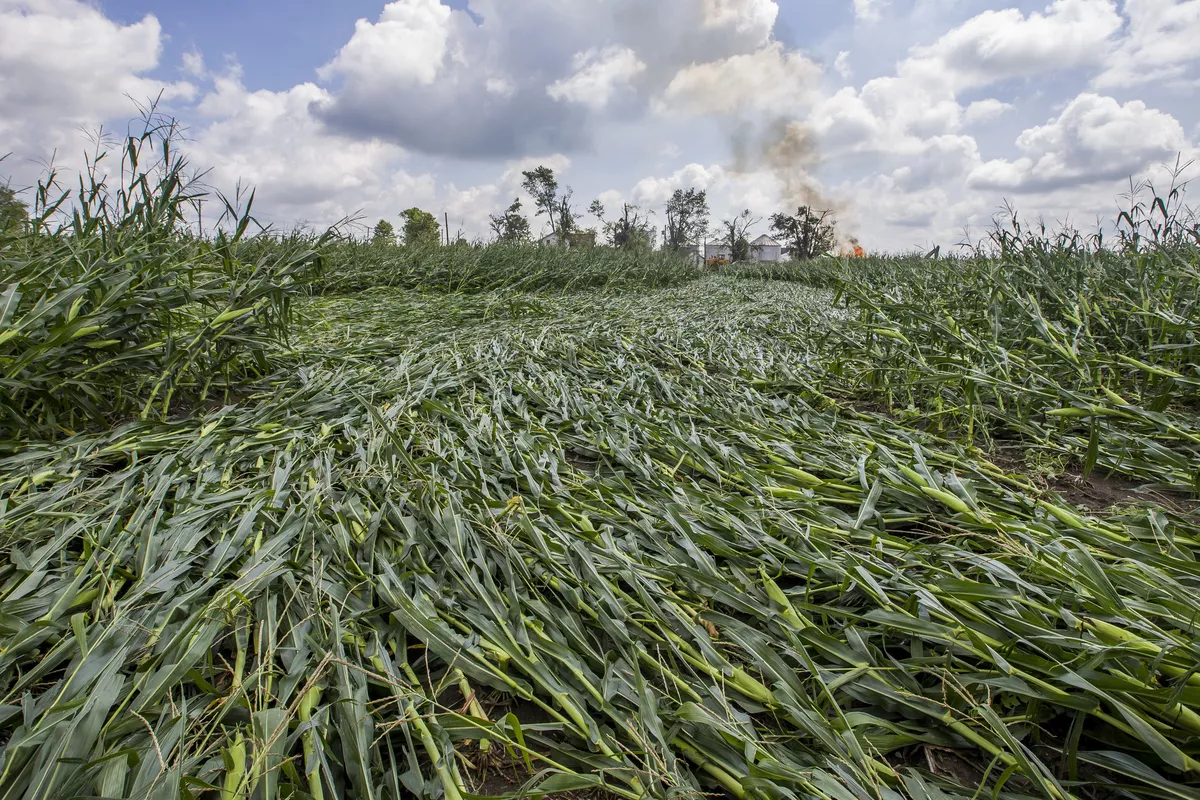
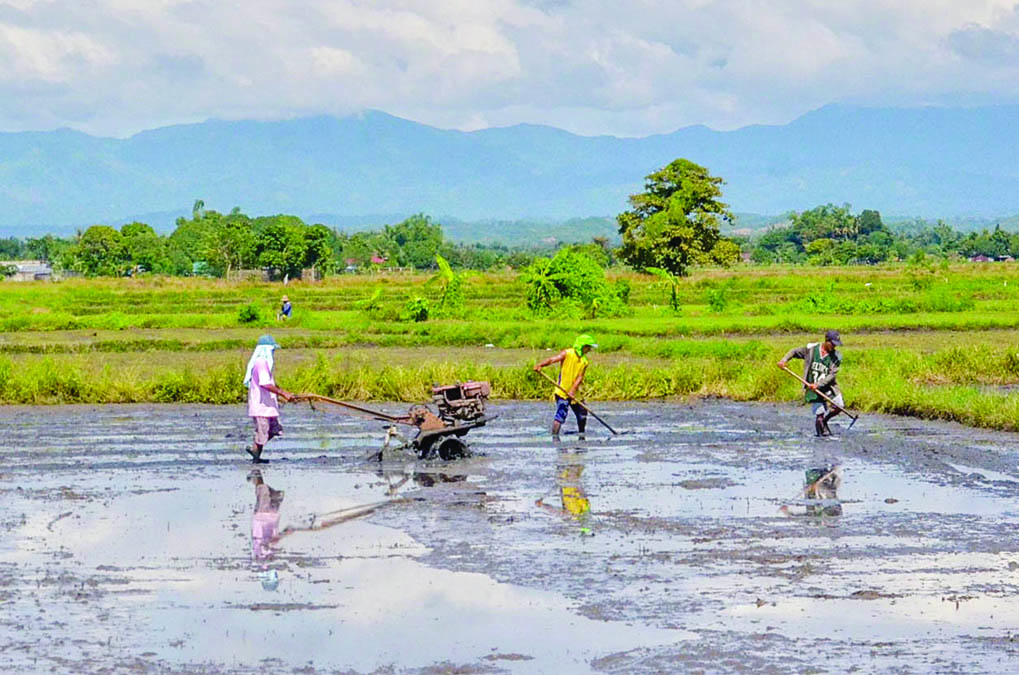
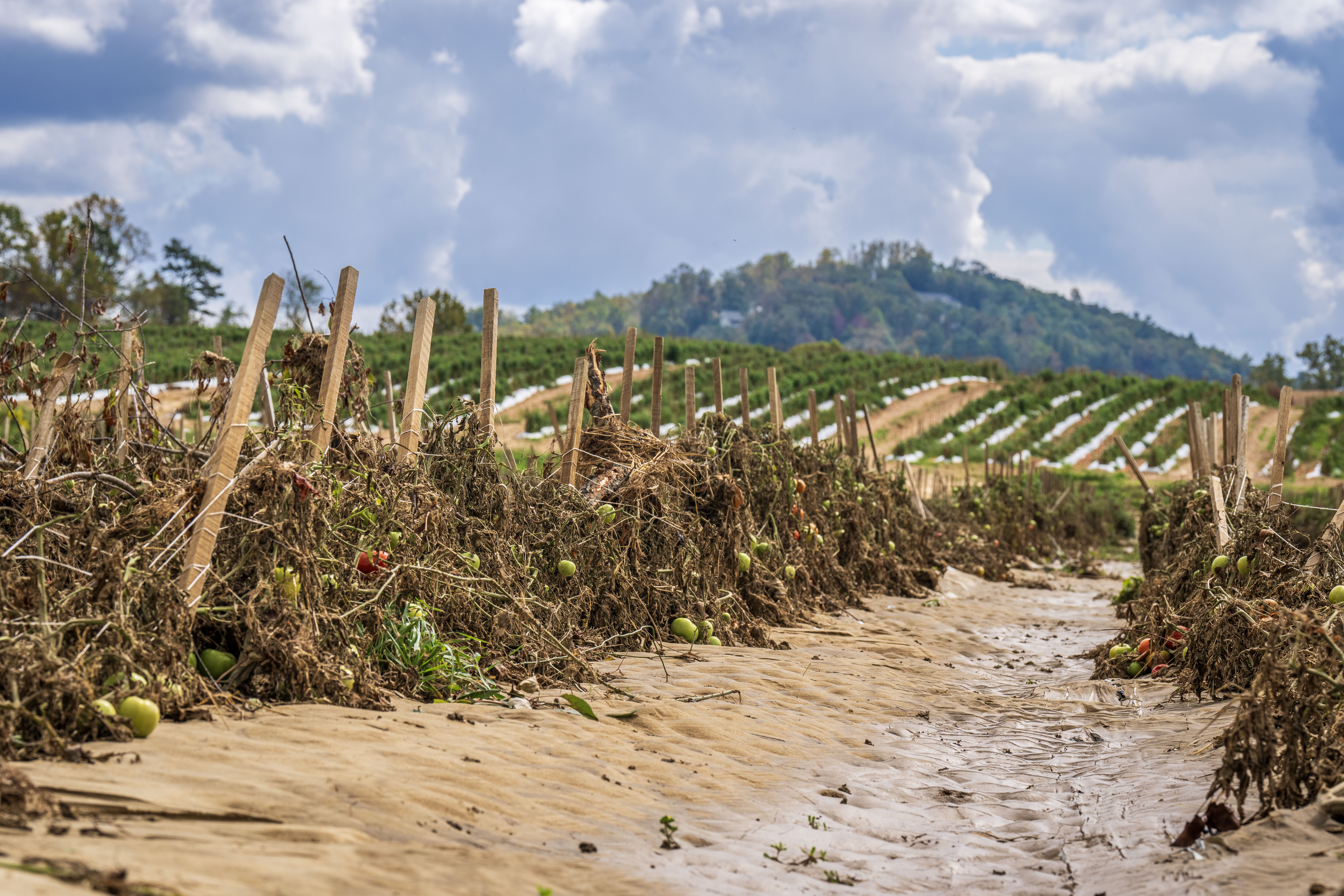
Ramkali Bhargav, a farmer in the northern state of Uttar Pradesh, said her paddy fields had recovered from an early season dry spell followed by floods. But just before harvesting, heavy rain and winds flattened her rice crop.
"If the rainfall hadn't occurred for another fortnight, our yields could have been at least 30% higher," she said, slicing a sickle through toppled paddy in Chharasi village.
The crop loss is a problem for governments and consumers across Asia and Africa that have struggled to secure supplies of the staple since prices in the global market jumped to a 15-year high after India restricted its rice exports, which account for 40% of global rice trade.
Prolonged export curbs could further inflate food prices given low inventories in other key exporting countries including Thailand, Vietnam, Pakistan and Myanmar.
"With elections looming, the government's hypersensitivity to food prices makes even a slight production dip sufficient to justify maintaining export restrictions," said a New Delhi-based dealer with a global trade house, declining to be named due to company policy.
A senior government official, also declining to be named, told Reuters that India does not intend to lift restrictions on any rice grades in the near future.
DIMINISHED CROP
In the year to June 2023, India produced a record 135.76 million tons of rice.
Two leading global trade houses, both declining to be named, told Reuters they expect India's rice output for the current crop year to drop by 7% and 8%, respectively, from the previous year.
B.V. Krishna Rao, president of the Rice Exporters Association (REA), told Reuters he expects a smaller production drop of about 2% to 3%, as heavy rain benefited late-planted crops in some areas even as it damaged fields elsewhere.
The U.S. Department of Agriculture expects a 3% decrease in India's rice output, a decline of around 4 million tons, to reach a total of 132 million tons for the year ending in June 2024.
India's Ministry of Agriculture & Farmers Welfare last week said production from the summer-sown crop could fall 4% to 106.3 million tons. It will provide an estimate for total output in its second report, typically published in February.
The soon-to-be planted winter crop is expected to drive a disproportionate share of the year's decline.
In recent years, production from winter-sown paddy has risen significantly, but this year, output is likely to decline by up to 5 million tons or nearly 20% due to lower water levels in reservoirs, said a Kolkata-based exporter, declining to be named due to the sensitivity of crop forecasts.
Water levels in India's main reservoirs were at 71% of capacity in the week to Oct. 26, down from 89% a year ago, government data showed, after a summer monsoon that delivered unevenly spread rains.
ELECTION SEASON
Food inflation is highly sensitive in India, where Modi's government has also banned wheat exports, restricted sugar and onion exports, and allowed duty-free imports of pulses in efforts to curb prices.
Despite export restrictions, local rice prices remain almost 15% higher than a year ago.
Meanwhile, India is considering extending a programme that provides free or subsidised cereals to more than 800 million people, with diminishing wheat stocks forcing increasing reliance on rice.
The government's priority is to ensure ample rice supplies for subsidised distribution, and export considerations will only come after general elections, predicted Himanshu Agarwal, executive director at Satyam Balajee, India's biggest rice exporter.
In response to India's curbs, Thailand and Vietnam have increased exports but have limited surpluses, said Nitin Gupta, senior vice president of Olam Agri India, a top rice exporter.
"If India sticks to the export ban for a while, bridging the supply gap could be difficult, leading to the possibility of even higher prices," Gupta said.
In the fields, farmer Bhargav says there's little that can be done about unpredictable weather.
"We are incurring losses from paddy cultivation," she said. "Let's hope the upcoming wheat crop gives us better returns."
Source - https://www.reuters.com