Kashmir is known for its enchanting winter vistas, is currently experiencing an unusual and disconcerting phenomenon – a snowless winter.
This climatic anomaly has cast a dark shadow over Kashmir’s thriving Rs 10,000 crore fruit industry, raising serious concerns within the Valley.
The apprehension gripping the area stems from the fear that the absence of snow, coupled with erratic weather patterns, poses a significant threat to the vitality of the fruit industry.
With fears escalating about the potential impact on fruit production, the industry, which plays a pivotal role in the region’s economy, is now facing a perilous situation as it grapples with the uncertainties brought on by the atypical winter conditions.
The year 2023 proved to be a challenging period for Kashmir’s fruit sector as it bore the brunt of climate change.
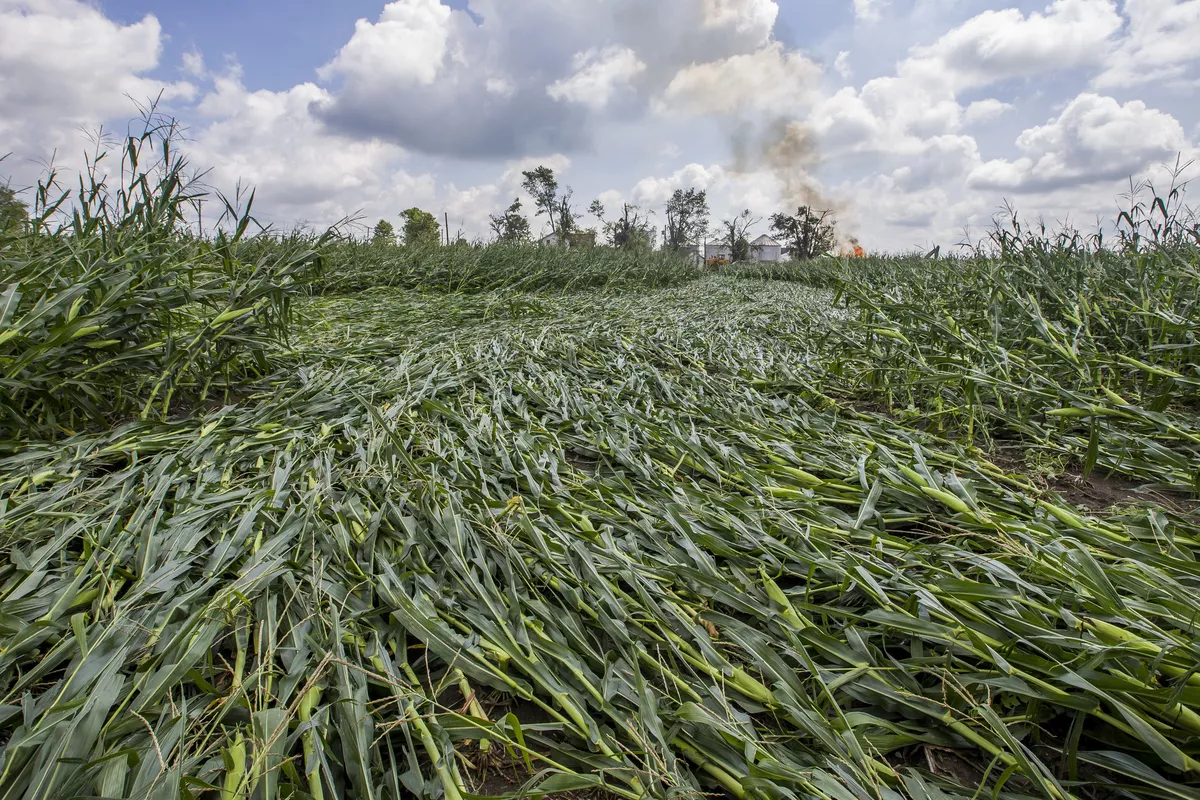
Kashmir experienced erratic weather patterns that only added to the already existing woes of farmers. The consequences were dire, with an estimated 40 percent dip in fruit production, leaving the agricultural community grappling with substantial losses.
Now, as the winter of the current year unfolds, the concerns of farmers have intensified further.
Chairman of Kashmir Valley Fruit Growers Association, Bashir Ahmad Basheer expressed concern about the current climatic conditions, saying, “The stark absence of snow, coupled with a drastic decline in precipitation, paints a worrying picture for the upcoming harvest. There is apprehension about another season being marred by a snowless winter.”
Basheer emphasised the critical role of winter snow, explaining, “Winter snow is a must as it provides crops a chilling period and also keeps the soil moist, ensuring irrigation facilities during the hot summer months. However, when there is no snow, there is a total change in the weather pattern, leading to crop destruction and substantial losses for farmers.”
Reflecting on the challenges faced in 2023, Basheer says, “In 2023, our losses were 40 percent as weather patterns led to an increase in scab and also damaged crops.”
Another prominent figure in the farming community, Muhammad Ashraf Wani, a fruit grower and former president of Fruit Mandi Shopian, expressed concern about the current winter season.
“We are deep into Chillai Kalan – the harshest leg of winter – and still there is no snowfall. It is a cause of worry for the farmers’ community,” Wani says. “Apart from spurring water shortages, the dry spell will significantly affect the yield and quality. The warmer temperatures could also precipitate early flowering of stone fruits.”
He emphasises the importance of a significant dip in temperature and good snowfall for the quality and good production of apples and other crops.
Experts like Dr Athar Ahmad, a plant entomologist at SKUAST-K, echo these concerns, saying, “The snowless winter in Kashmir is going to have a bad impact on fruit production. Climate change is real and is affecting weather patterns across the globe. In Kashmir, we are also facing it now with a snowless winter, which will lead to a dip in production. Also, the chances of diseases among crops increase with such weather patterns.”
Horticulture plays a significant role in the economy of J&K known as the “land of fruits” and the “fruit bowl of Northern India”.
It contributes about 9.5 percent to the State’s Gross Domestic Product (SGDP) and generates approximately 8.50 crore man-days of employment annually.
The horticulture sector in J&K has shown remarkable growth, with production increasing from 10,000 metric tonnes in 1950 to 25 lakh metric tonnes in 2020.
The region has been declared an Agri Export Zone for apples and walnuts, and it accounts for 70 percent of the total apple production and 90 percent of dry fruit production in the country.
Source - https://www.greaterkashmir.com