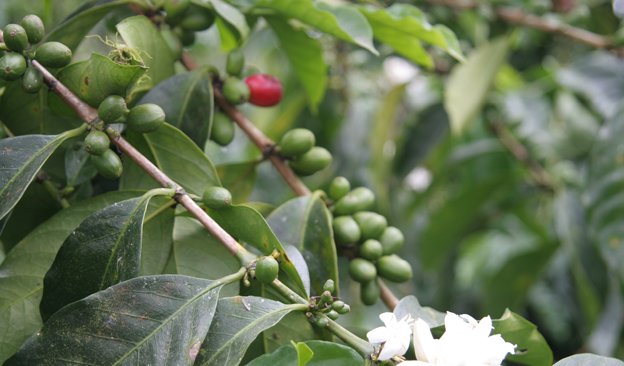
The current financial year (FY2023-24) may be the most challenging yet for the coffee industry since the Covid-19 pandemic, due to the twin challenges of deficient rainfall and declining prices of the plantation crop, plantation owners and executives at coffee companies said.
"There has been an average decline of 20-30% in rainfall this year, if we compare over a three-year period, said Kurian Raphael, who heads research and development at Tata Coffee.
This has coffee estates across Karnataka, which accounts for over 70% of India's total coffee output, worried. This comes in spite of the past two years not being easy.
"While 2022-23 saw untimely showers impacting crop yield, the preceding year saw excessive rainfall combined with low prices for the commodity," explained Salman Baseer, proprietor of an estate in Hassan.
While the Coffee Board of India in its post blossom estimates has projected a 6.3% growth in total production, to 374,200 tones in FY 2023-24, plantation owners say it is way too optimistic, and forecast a 25-30% decline in their net yield.
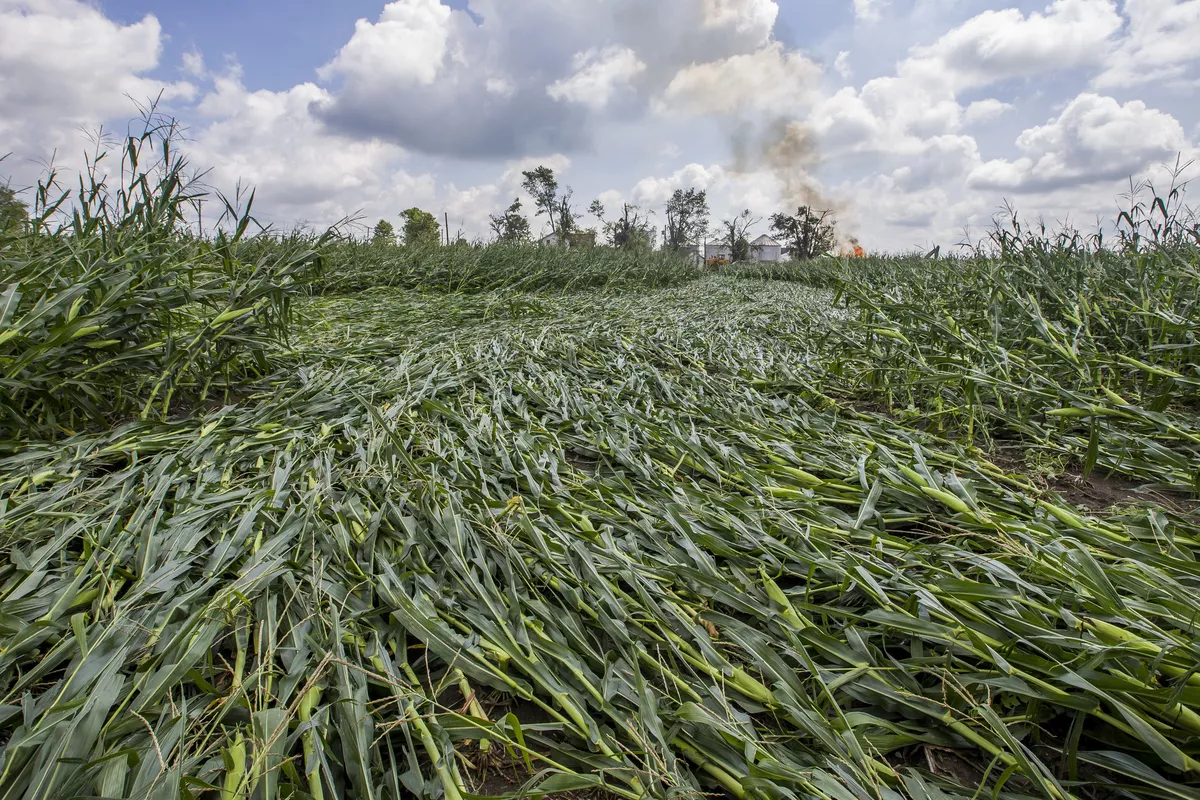
As a result of immature bud initiation following unseasonal rains in January, harvesting has begun at least a month earlier this year amid shortage of migratory labourers, they stated. Moreover, ongoing showers continue to cause substantial crop loss with berry droppings taking place across several estates.
Furthermore, coffee prices have been on a declining trajectory in the back half of 2023. A 50 kg bag of arabica parchment, which fetches around Rs 11,200 today, was priced at Rs 15,700 in May, reflecting a 29% drop in the six-month period
India exports over 70% of its coffee harvest to rope in export revenues to the tune of Rs 9,000 crore.
Going forward, reports suggest that Brazil is headed for a bumper crop yield this year, which is expected to impact prices for the commodity at home. The Latin American country is the leading producer of the bean, contributing around 40% to the global coffee market.
This however is nowhere near the end of difficulties distressing the plantation community in the coffee producing districts of Chikkamagaluru, Kodagu, Hassan and Chamarajanagar, among others.
Challenges aplenty
From animals venturing into nearby coffee estates trampling produce on their way, to poor electricity and telecommunication network, and access to cheap capital for what is an annual crop, the list of challenges which the planters have presented in front of the state and central governments is very long.
While plantations are treated as agriculture at the time of loan disbursal attracting a cap on the loan amount per acre, they are treated as non-agriculture activity during loan recovery, invoking the SARFAESI Act, Karnataka Planters' Association Chairman Mahesh Shashidhar highlighted. The Act allows banks and other financial institutions to auction commercial or residential properties to recover a loan in case of a default.
At the same time, human casualties due to the man-animal conflict have nearly doubled between April-November to 23, from 12 in FY23. "There are certain irrigation projects which have been taken up by the government of Karnataka. Apparently they have also come in the way of traditional and old migration routes of animals, especially elephants," Ajoy Thipaiah, Chairman of the Coffee Committee of United Planters Association of Southern India (UPASI) revealed.
Some of these animals have not been able to return to their traditional habitats because of the said projects, he added.
Elaborating on the impact of climate change, the Karnataka Planters' Association said: "We have had drought for three years (2015-18) followed by excess rain for four years (2018-22) and currently we are in another drought year. In fact, this year most of the areas have received 50% of their rainfall in two weeks of July."
Source - https://www.deccanherald.com