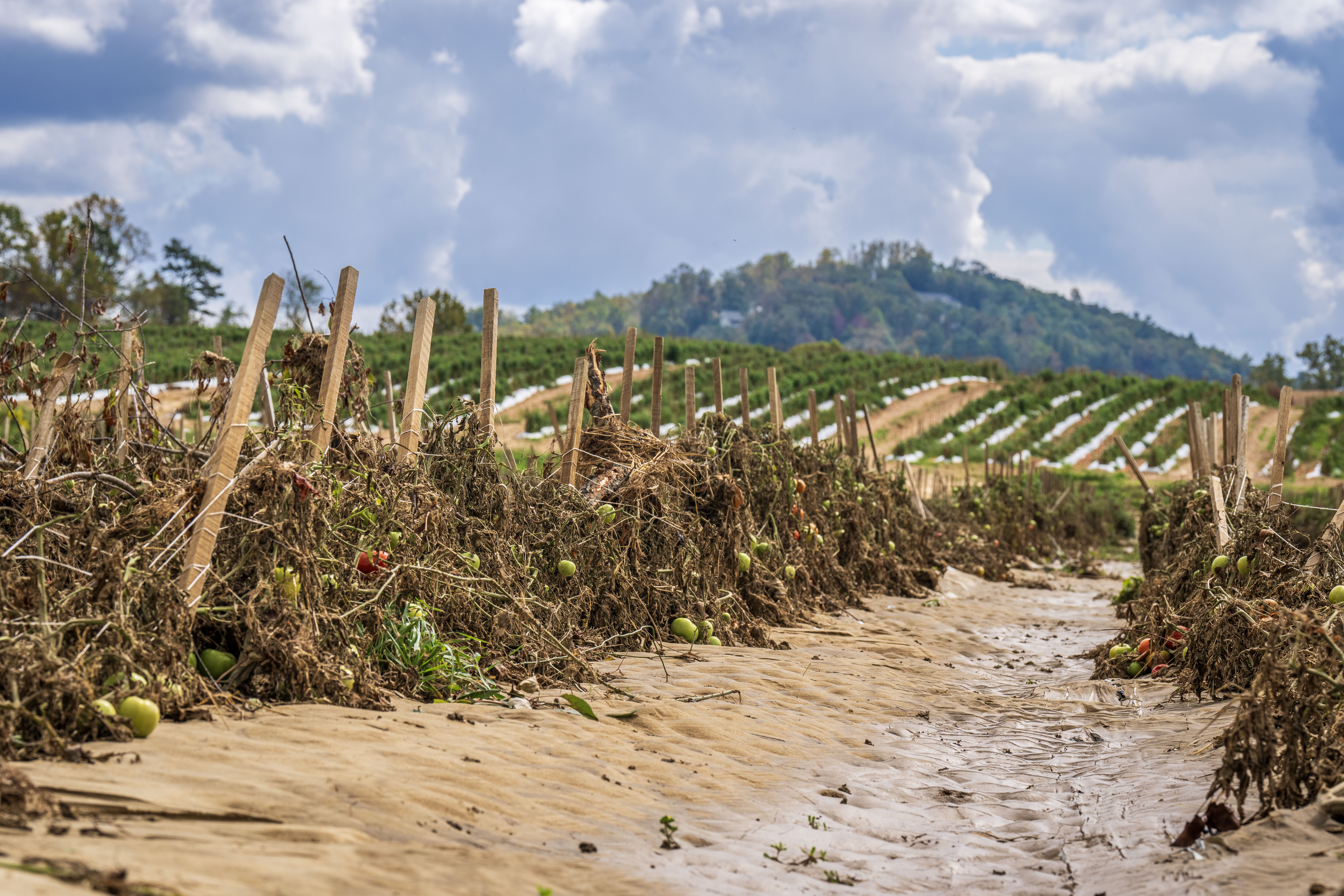
India - Tomato crop on 1,000 acres hit by late blight attack in Sanaur

22.12.2023 705 views

A comprehensive report, submitted by a joint team from Punjab Agricultural University, Central Integrated Pest Management (CPIM), Jalandhar, and the State Horticulture Department, has confirmed significant crop loss due to a fungal outbreak in Sanaur. The report, handed over to Deputy Commissioner Sakshi Sawhney, suggests a devastating 70-80% loss in crop yield across almost 1,000 acres of farmland in 11 villages.

The report will be used as the basis for subsequent girdawari and harvest inspections in the affected villages, and will also help to determine the necessary compensation for farmers who have suffered such extensive crop loss. Concurrently, a team under the supervision of the Sanaur sub-divisional magistrate (SDM) has submitted a preliminary report to the Deputy Commissioner detailing the extent of the area affected by the late blight attack.

The task force, spearheaded by Assistant Director (Horticulture) Sandeep Grewal, Krishi Vigyan Kendar (KVK) in-charge Gurupdesh Kaur, and Ankit Kumar from CPIM, conducted on-site assessments in Fatehpur Rajputa, Asarpur and Lalena villages on Tuesday to evaluate the impact of the late blight on the tomato crop.

Horticulture Development Officer (HDO) Navneet Kaur revealed that several villages including Fathepur Rajputa, Asarpur, Khudda, Kartarpur, Boser Khurd, Nur Kherian, Lalena, Piunia and Sanaur, have suffered extensive crop loss. “The most significant damage, exceeding 80%, was observed in Fatehpur Rajputa and Asarpur,” she stated. The popular tomato variety Himshekhar has been the most affected. Department insiders attribute the extensive damage to a delayed identification of the fungal attack and subsequent delay in the application of fungicides.

Late blight, caused by the phytophthora infestans fungus, is a prevalent disease that significantly damages tomato crops and can lead to rapid crop failure if not properly managed. Over the past month, the nocturnal temperature in the region has consistently remained between 10 to 20 degrees Celsius coupled with near 100% humidity. The presence of rain and fog during this period has created the optimal conditions for the spread of the disease.

Source - https://www.freshplaza.com

02.09.2026

Philippines - Bayambang declares state of calamity over P31-M agricultural losses

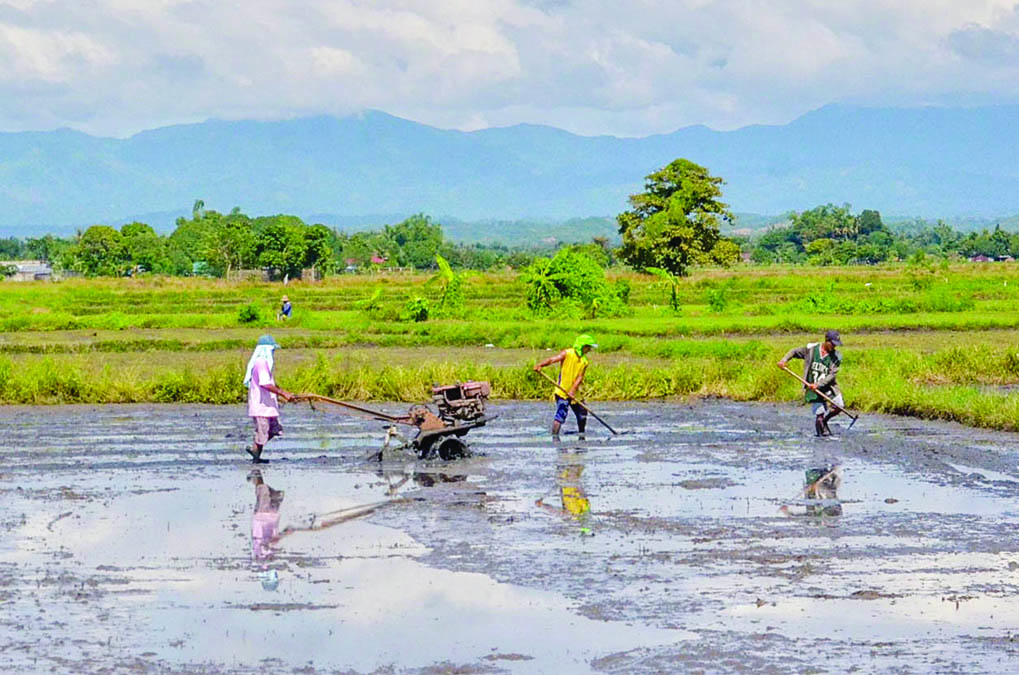
The municipal council of Bayambang has placed the town under a state of calamity after Tropical Storms “Luis” and “Maymay” and the enhanced southwest monsoon, or habagat, caused more than P31 million in agricultural losses.

02.09.2026

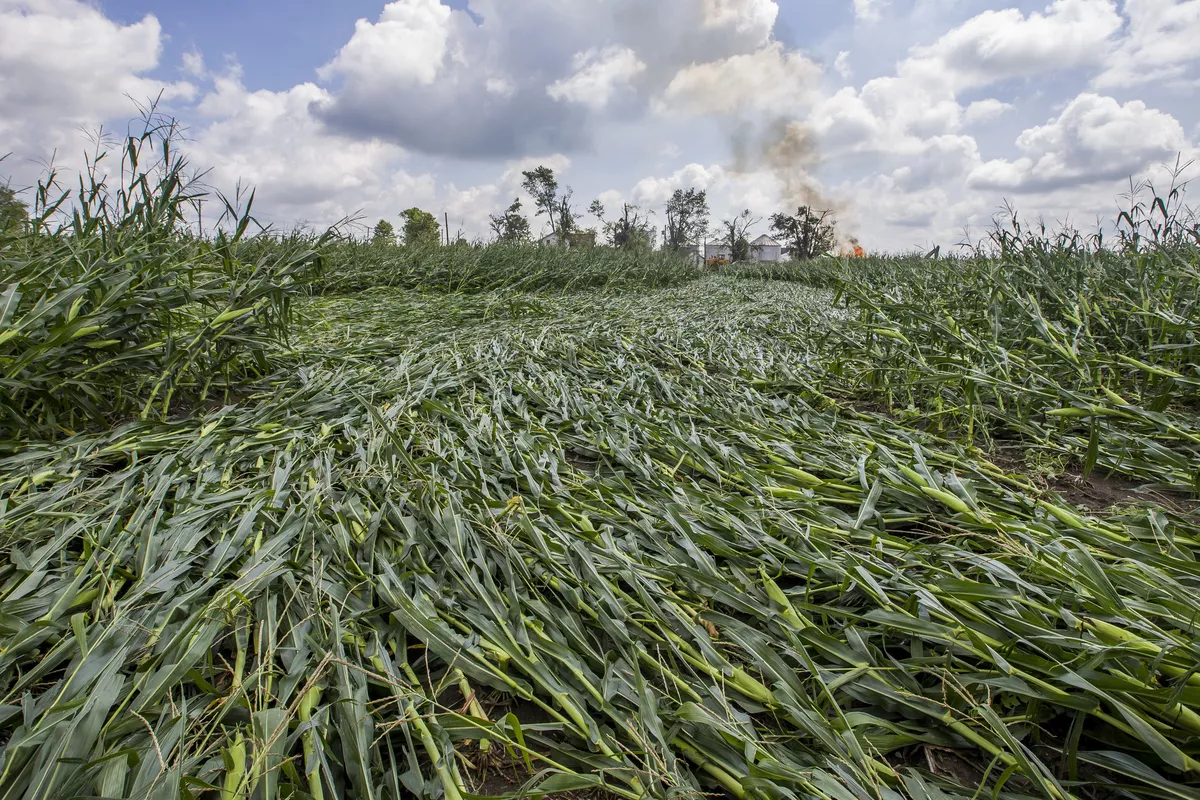
USA - Lynndyl farmers assess crop losses after 100 mph winds and hail

Farmers in and around Lynndyl are beginning to assess severe losses after a powerful weekend storm ripped through fields with destructive winds and hail just as some crops were nearing harvest.

02.09.2026

USA - New Insurance for Breeding Heifers

New LRP Coverage Aims to Reduce the Risk of Retaining Heifers for Breeding.

02.09.2026

Corn's $6 Surprise Could Change the Profit Math for U.S. Farmers

Corn may already be worth more than the board suggests as farm payments and incentives add about 52¢ per bushel to producer revenue.

02.09.2026

Philippines - Iloilo turns over P10M for farm, fishery insurance

The Iloilo provincial government has turned over P10 million to the state-owned Philippine Crop Insurance Corp. (PCIC) to expand insurance protection for farmers and fisherfolk vulnerable to losses from El Niño, La Niña, typhoons, pest infestations and other calamities.

02.09.2026

India - AP sees 1,263% rise in non-loanee crop insurance

The State witnessed a remarkable 1,263% jump in non-loanee farmer registrations, with their participation rising from 2 lakh in the previous Kharif season to 25.26 lakh farmers this year.

01.09.2026

South Africa - Grain SA calls for affordable crop insurance as dry weather threatens Swartland wheat

Severe rainfall shortages threatening the Swartland wheat crop have highlighted the need for government support to make crop insurance affordable for dryland producers.

01.09.2026

USA - Florida farms face nation’s highest disaster loss rate

Natural disasters destroy billions of dollars in U.S. agricultural production each year. From drought and wildfires in the West to hail in the Midwest and hurricanes in the Southeast, farms lose an average of $5.1 billion in crops and livestock annually, according to the Federal Emergency Management Agency.