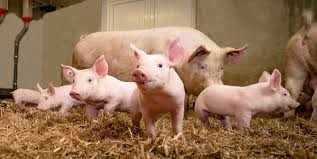
A two-day capacity-building programme on scientific pig rearing, livestock health management and livestock insurance was organised at the Chakmaghat Beat Meeting Hall in Khowai on October 7–8 under the Tripura Sustainable Catchment Forest Management Project (SCATFORM), a JICA-assisted initiative of the Forest Department, in collaboration with the Animal Resources Development Department (ARDD).
The programme, organised under the guidance of Khowai DMU and Mungiakami RMU, brought together members of Self-Help Groups from Haludia, Chakmaghat and Atharamura areas. The initiative focused on strengthening technical knowledge among community members engaged in piggery and promoting improved livestock management practices for higher productivity, income generation and livelihood security.
Technical experts from ARDD conducted sessions on scientific breeding, selection of suitable breeds, hygienic housing, nutrition, piglet care, biosecurity, disease prevention and early identification of illness. Participants were also briefed on vaccination, vaccine storage and handling, maintenance of health records and preventive livestock healthcare.
A dedicated session on livestock insurance covered animal identification and tagging, documentation, enrolment procedures, premium requirements and the process of filing claims in case of livestock loss.
On the second day, a field-level livestock health and insurance camp was organised, where veterinary personnel provided vaccination and other health services and assisted eligible SHG members in enrolling their animals under livestock insurance.
Members of SHGs including Enhui, Twiphang Bodol, Hamjakma Bodol, Salka Bodol, Aichuk and Krishnamani Bodol participated in the field activities.
The programme was conducted under the guidance of Banumathi B., IFS, Chief Executive Officer and Project Director, Tripura JICA Project, with technical support from Dr N.K. Chanchal, IFS, Director, ARDD. Dr Avishek Paul, Assistant Director, SDVH Teliamura, and Dr Martina Debbarma, Veterinary Officer, BVH Mungiakami, along with field teams, facilitated the technical and field-level activities.
The initiative is expected to strengthen preventive livestock healthcare and provide greater financial protection to households dependent on piggery, while furthering the JICA Project’s efforts to promote sustainable livelihood opportunities among forest-dependent communities through departmental convergence.
Source - https://northeasttoday.in