Paddy farmers in Udupi district are facing renewed uncertainty as rainfall has weakened sharply just when the crop is entering a crucial stage of ear formation and grain filling. The district received only 4.2 cm of rain in the past 15 days, leaving moisture levels in several paddy fields low and raising concerns over crop yield.
The situation is particularly worrying for farmers who delayed sowing because of inadequate rainfall during the early part of the southwest monsoon. Now, with the crop reaching the stage when adequate moisture is important for ear formation and grain development, the prolonged dry spell has created fresh difficulties.
According to a report by Vijay Karnataka, farmers in parts of Kundapura are among those expressing concern over the lack of rain. The report says rainfall has been largely absent since the second week of September, with moisture levels declining in agricultural fields.
Rain disappears as paddy enters crucial stage
Paddy cultivation in coastal Karnataka depends heavily on the southwest monsoon. While excessive rainfall can cause flooding and lodging, insufficient rain at specific stages can also affect crop development.
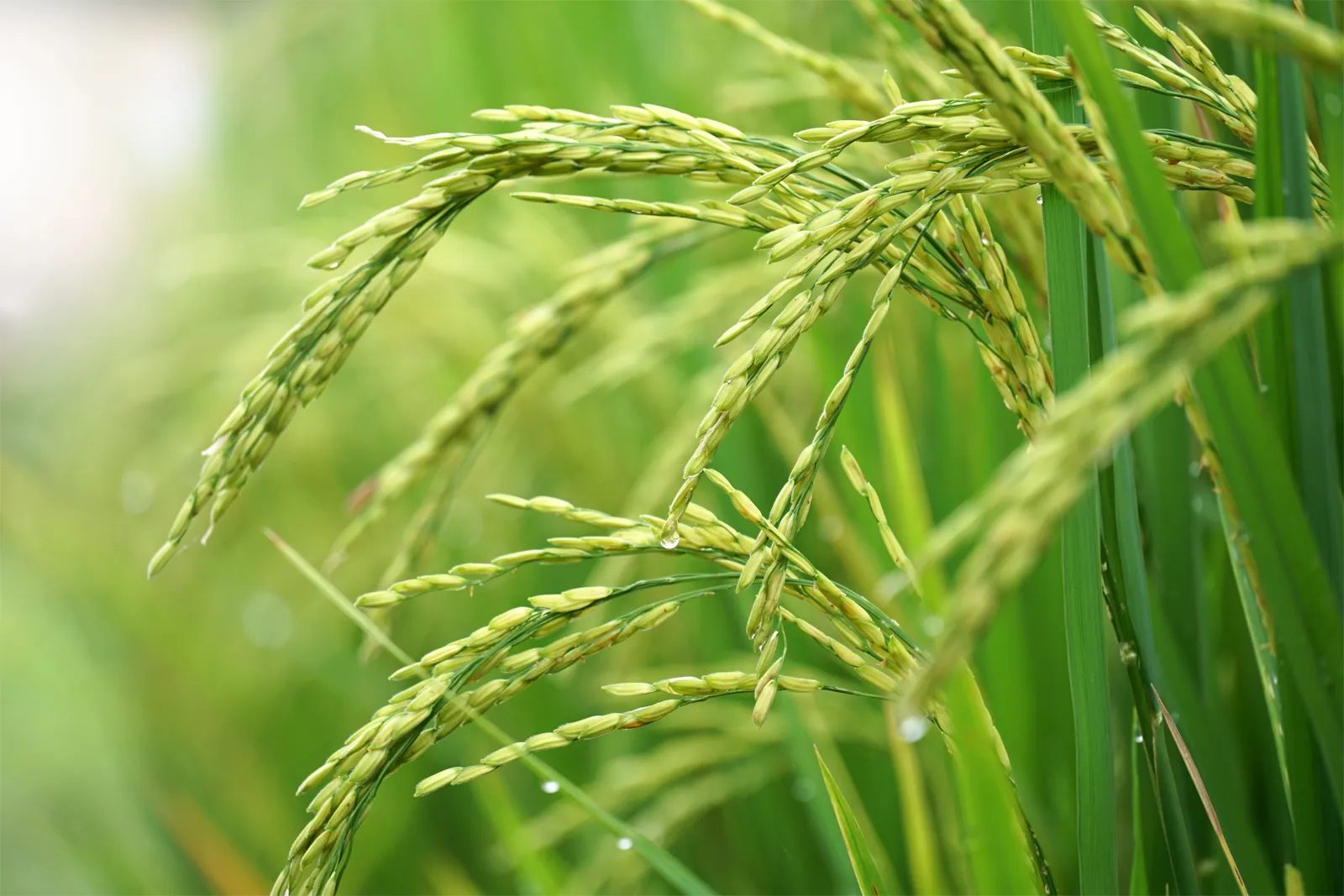
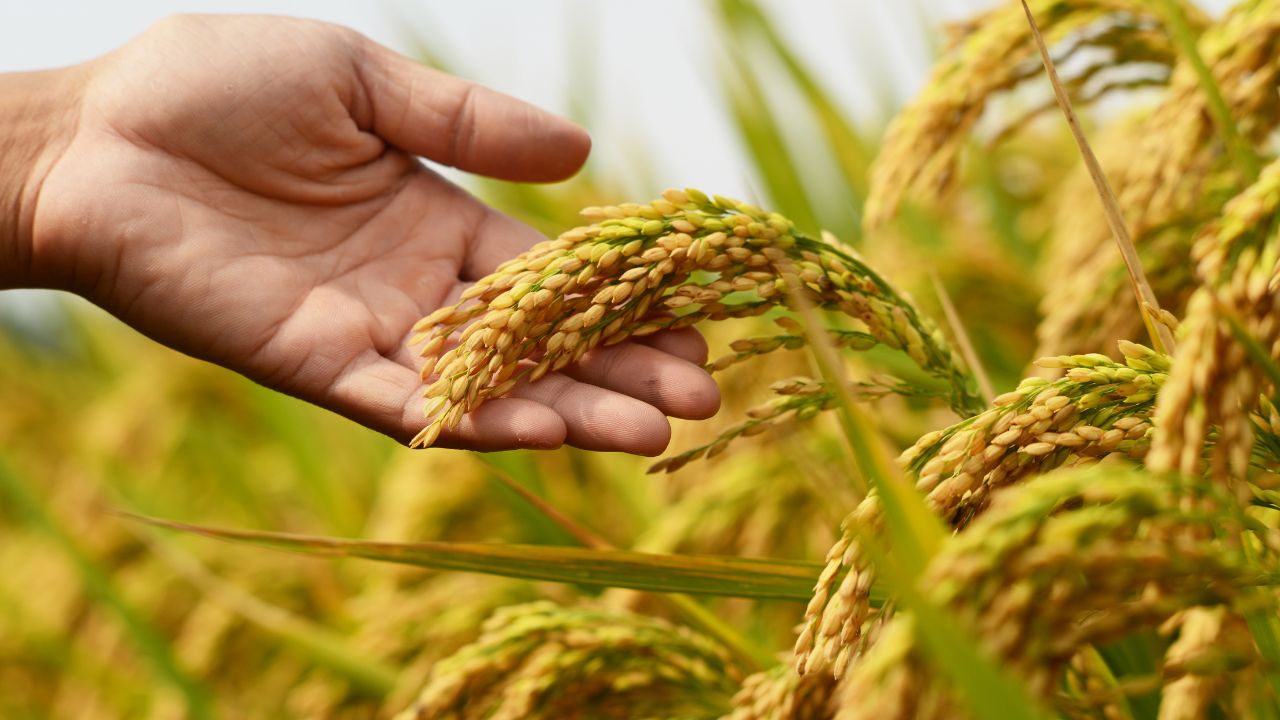
The current concern in Udupi comes as paddy plants begin producing ears and enter the grain-filling phase. Farmers fear that continued moisture stress could affect the formation and development of grains.
The 15-day rainfall figure of just 4.2 cm has intensified those concerns.
The shortage is particularly significant because paddy fields generally require adequate water availability during key stages of plant growth. If the soil dries out when the crop is developing its ears and filling grains, farmers may face reduced yields.
Farmers had already delayed cultivation
The present dry spell comes after an uneven start to the monsoon.
According to the Vijay Karnataka report, rainfall deficiency at the beginning of the season had already delayed paddy cultivation in parts of Udupi district. Farmers who eventually took up cultivation after waiting for sufficient rain are now facing another period of uncertainty.
The delay has compressed the cultivation cycle for some farmers, making the present weather conditions particularly important.
The district has reportedly completed only 73% of the targeted paddy sowing, indicating that cultivation itself has remained below the expected level this season.
For farmers dependent largely on rainfall, the lack of water at this stage is creating additional pressure.
MO-4 paddy growers particularly worried
Farmers cultivating the MO-4 variety are among those expressing concern about the prevailing conditions.
MO-4 is one of the paddy varieties cultivated widely in coastal Karnataka. Agricultural research institutions in the region have also worked on developing varieties suited to the distinctive conditions of coastal fields.
The ICAR notes that MO-4 and traditional Kajejaya varieties have been cultivated extensively in coastal Karnataka, including areas that can experience prolonged flooding.
While coastal paddy farming has historically had to deal with excessive monsoon water, the current problem illustrates the opposite challenge: insufficient rainfall during an important phase of crop development.
Soil moisture levels falling
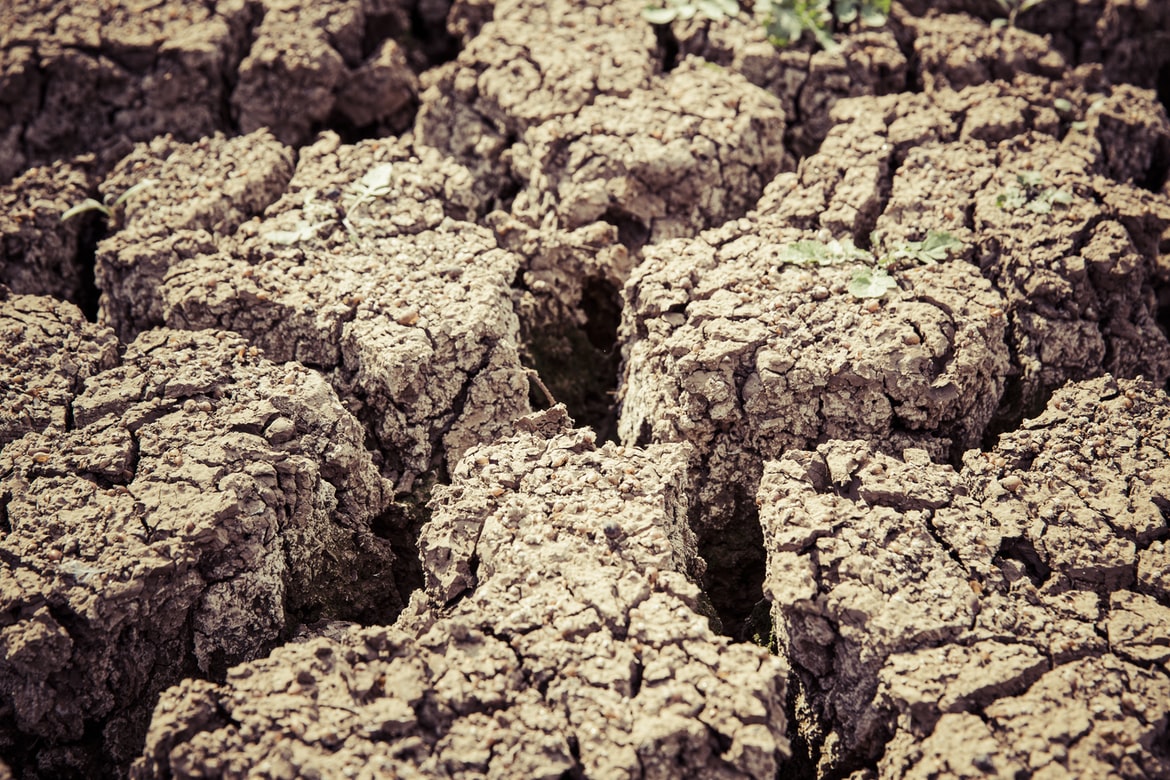
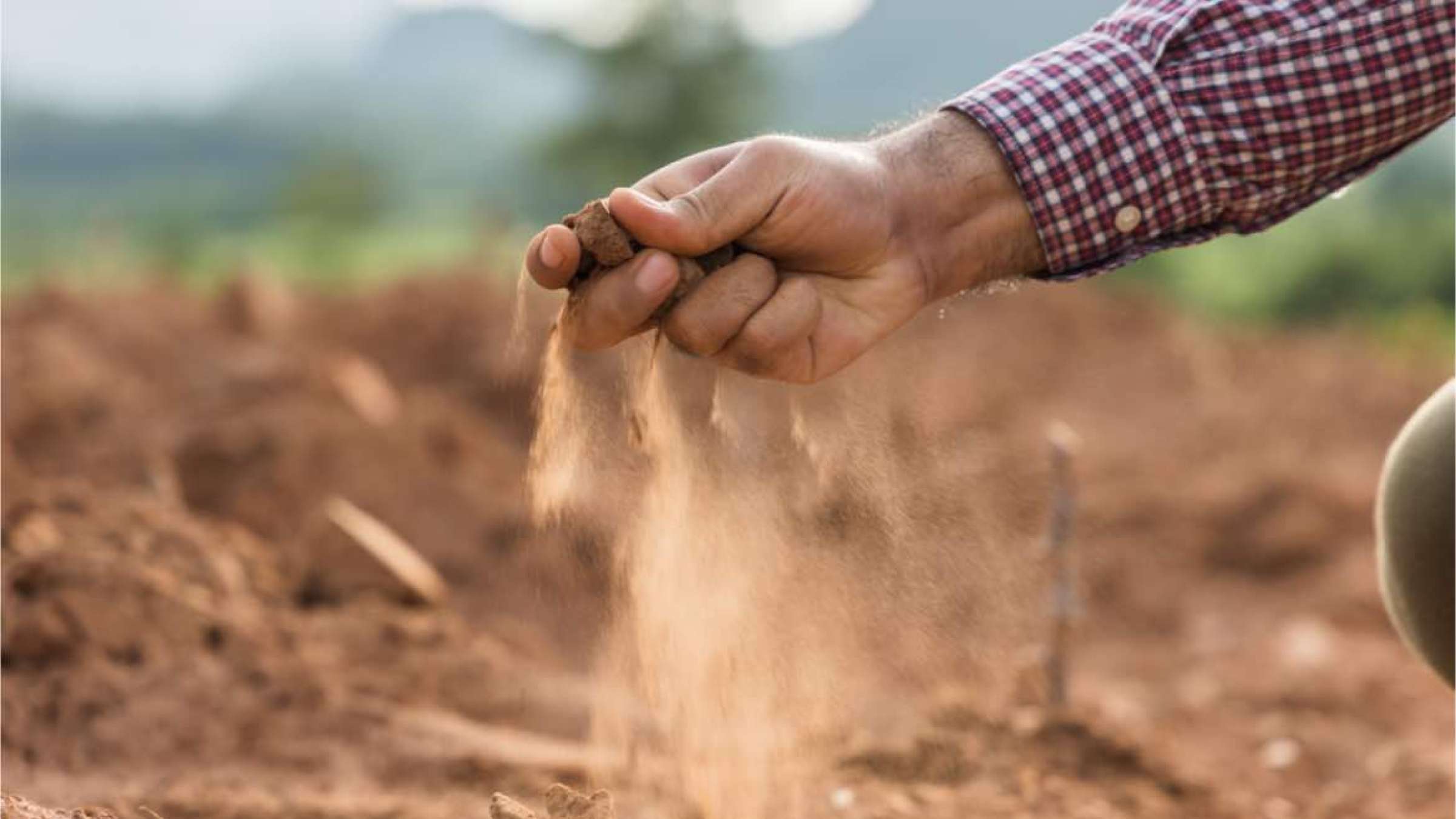
The lack of rainfall is reportedly causing moisture in the paddy fields to decline.
For rain-dependent farmers, this can become a serious problem when there is no alternative irrigation source nearby. Fields that initially retained sufficient water can gradually dry as the gap between rainfall events increases.
The present conditions are therefore being closely watched by farmers, particularly those whose crops have already reached the ear-forming stage.
The concern is not simply the absence of rain on a particular day. Rather, farmers are worried about the cumulative effect of a prolonged dry period during a sensitive crop-growth phase.
Paddy yield could be affected
Farmers fear that inadequate moisture during ear formation and grain filling could result in poorly developed grains and lower productivity.
The final impact, however, will depend on how long the dry spell continues and whether rainfall returns during the remaining crop-growth period.
Agricultural conditions can also vary considerably between taluks and even between individual fields depending on soil type, water availability, sowing date and crop variety.
Therefore, the reported rainfall shortage does not necessarily mean that the entire district’s paddy crop will suffer the same level of damage.
However, continued absence of rain could increase the risk of yield reduction in rain-dependent fields.
Karnataka already monitoring crop damage
The situation in Udupi comes amid wider concerns over uneven rainfall and crop conditions in Karnataka.
The Karnataka State Natural Disaster Monitoring Centre (KSNDMC) has analysed rainfall, soil moisture and crop-index data to identify taluks requiring ground verification of crop damage. The state recently ordered field verification in 53 more taluks across 17 districts. A taluk can be considered drought-hit when crop loss reaches 33% or more, while crop loss above 50% falls under the severe drought category.
The broader agricultural situation also reflects the uneven distribution of rainfall this monsoon.
A recent assessment noted that uneven rainfall has raised concerns about kharif crop yields, with paddy among the crops facing pressure in parts of the country.
The India Meteorological Department continues to monitor rainfall at district and state levels through its rainfall information system.
Coastal Karnataka faces contrasting rainfall challenges
Udupi’s agricultural landscape presents a distinctive rainfall challenge. The district is known for heavy monsoon rainfall, and paddy fields in low-lying areas can sometimes face flooding.
Agricultural researchers have developed varieties specifically suited to the coastal environment. ICAR, for example, has highlighted Sahyadri Panchamukhi, a flood-resistant red rice variety developed by the Zonal Agricultural and Horticultural Research Station at Brahmavar in Udupi district. The variety was developed to withstand prolonged flooding and has shown higher yields than MO-4 in multi-location trials.
This background shows why rainfall distribution matters as much as the total seasonal rainfall for coastal farmers.
Too much water can damage crops through flooding, while a prolonged gap during a critical growth stage can create moisture stress.
Farmers now looking to the skies
For farmers whose paddy has reached the ear-forming stage, the immediate concern is whether the rain returns soon enough to support grain development.
The 4.2 cm rainfall recorded over 15 days has already reduced soil moisture in several fields, according to the local report. Farmers who depend on the monsoon have limited control over the situation and are now closely watching weather conditions.
The coming days could therefore be important for determining the eventual impact on this year’s paddy harvest.
If rainfall resumes at the required time, some crops may recover from the current moisture stress. If the dry spell continues, however, farmers could face further deterioration in crop condition and potentially lower yields.
Udupi farmers await rain at critical time
The current situation has placed Udupi’s paddy farmers in another difficult phase of the 2026 monsoon season. After a delayed start to cultivation, the crop is now reaching one of its most important stages, only for rainfall to weaken significantly.
With just 4.2 cm of rain recorded across the district over 15 days, moisture stress is emerging as a concern in fields that depend on rainfall.
The actual extent of crop damage will become clearer depending on the duration of the dry spell, subsequent rainfall and field-level assessments. For now, farmers are hoping for timely showers to protect the crop as it moves from ear formation towards grain filling and harvesting.
Source - https://newskarnataka.com