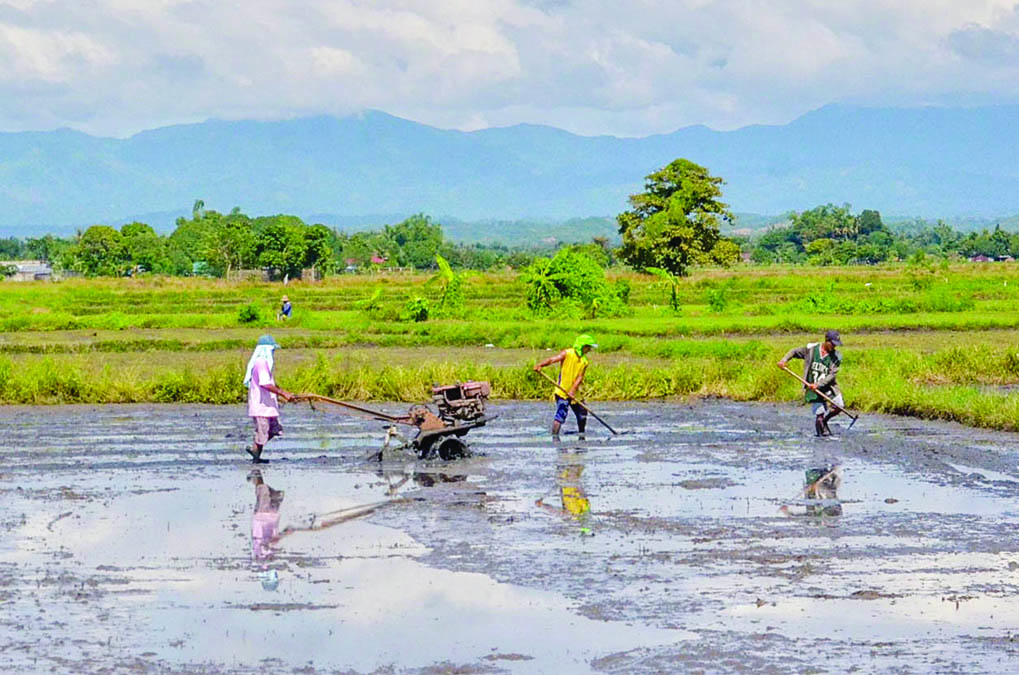
With the ongoing increase in global population, the need to meet food and nutrition requirements is paramount. India produced around 275 million tonnes of food grain in 2018, and it is estimated that the production needs to be increased by five million tonnes annually to feed the population over the next decade. To achieve this, farmers must maintain soil nutrition for maximum yield. While most farmers use conventional methods such as manual spraying of fertilisers and pesticides, it comes with challenges such as labour shortage, energy, untimeliness and overuse of products. However, innovations in the agricultural sector such as drone technology are gradually addressing these challenges and improving agricultural practices for farmers.
While farmers in Western countries have used drone technology for years, its introduction in the Indian agricultural landscape is quite nascent. As per a report by FICCI-EY, the drone industry can improve India’s manufacturing potential to approximately US$ 23 billion by 2030. The Minister of Agriculture & Farmers Welfare introduced a subsidy ranging from 40-50 per cent on drones for different groups of farmers across India in 2022 to help them simplify agricultural practices and improve food production.
Making precision agriculture a reality
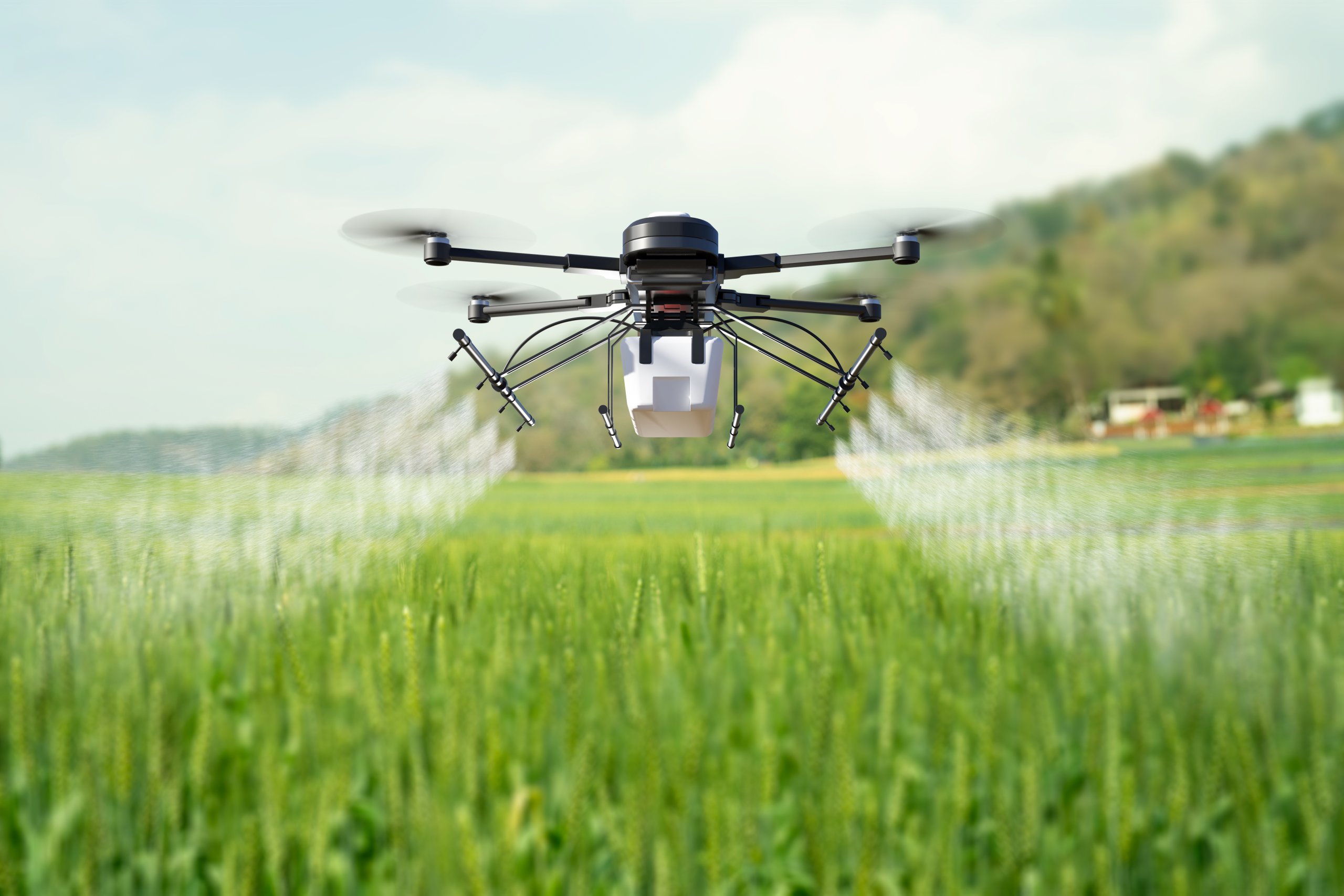
Drones have emerged as an important tool that facilitate precision agriculture, offering farmers the tools to elevate their farming practices. Farmers can use drones to precisely monitor crop health, identify areas requiring immediate attention, and optimise resource allocation. This precision ensures water, fertilisers, and pesticides are sprayed only where needed, mitigating wastage and environmental impact. It leads to increased yields and cost savings. Nowadays, drones are also equipped with advanced imaging technology that gives farmers a real-time overview of the entire farm, enabling farmers to make informed decisions quickly and effectively. The result is a more sustainable, efficient, and profitable agricultural system.
Provides data-driven insights
Most drones nowadays have advanced sensors and cameras that capture detailed information about crop health, moisture levels, and pest infestations. Drones can quickly and comprehensively survey vast areas by flying low over the fields. They scout crops regularly, spotting signs of trouble before they escalate. This proactive approach significantly reduces crop losses, conserves resources, and minimises the need for excessive pesticide use. Also, real-time maps and reports enable farmers to make crucial decisions like irrigation, fertiliser application, and pest control. It helps optimise farming practices, reduce resource wastage, and improve crop yields.
Promotes responsible farming
The environmental benefits of drone technology in agriculture are substantial. Drones reduce the overall carbon footprint of farming by optimising the application of inputs. They can precisely target areas needing treatment, minimising excess use of fertilisers and chemicals. It enhances cost-efficiency and promotes sustainable and responsible farming practices, contributing to a greener and healthier agricultural ecosystem.
Way forward
Gradually, agri-startups have started employing leading-edge technologies such as AI and ML to improve farm productivity. They are developing innovative solutions for various agricultural aspects like precision farming, supply chain management and market linkages. Startups in the agri-tech domain are playing a pivotal role in adopting drone technology and forging strong partnerships with the agriculture industry to overcome obstacles and deliver practical solutions. Notably, state governments in Karnataka, Haryana, Punjab, Tamil Nadu, and Madhya Pradesh are actively collaborating with drone manufacturers, farmer producer organisations, and state agriculture universities to develop efficient fertiliser spraying drones. This collaborative approach is paving the way for a sustainable future for the Indian agricultural landscape.
With tech-enabled advancements supporting the integration of multispectral sensors and thermal imaging, agricultural practices such as crop monitoring and disease detection will become easier and more efficient. Drones with LiDAR technology can offer high-precision 3D mapping, facilitating accurate terrain analysis and yield estimation. As connectivity expands, these unmanned aerial devices (UAD) can be controlled remotely, potentially even autonomously. With such innovations on the horizon, drone technology will become an indispensable tool for modern agriculture, offering efficiency, sustainability, and higher yields.
Source - https://www.thehindubusinessline.com