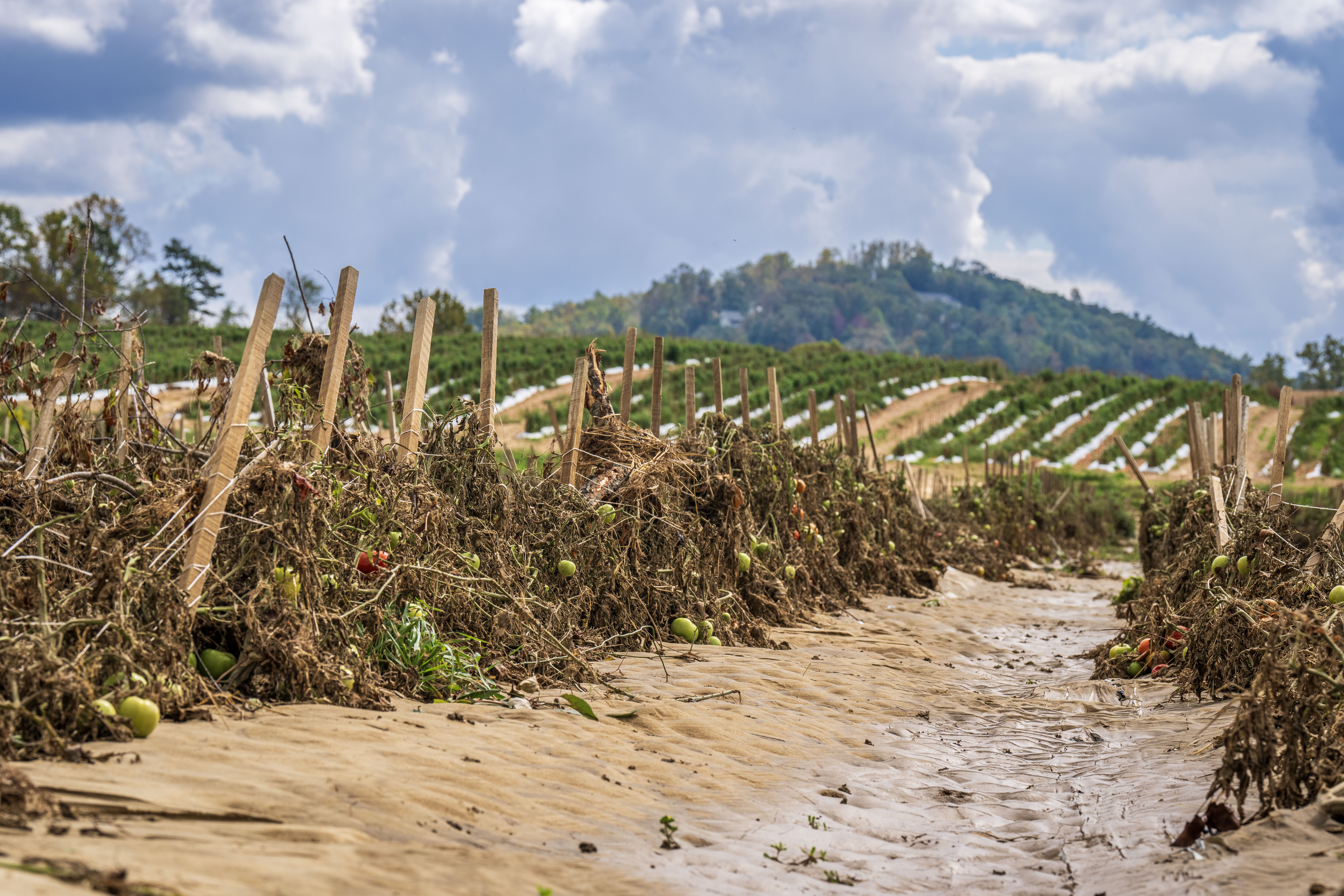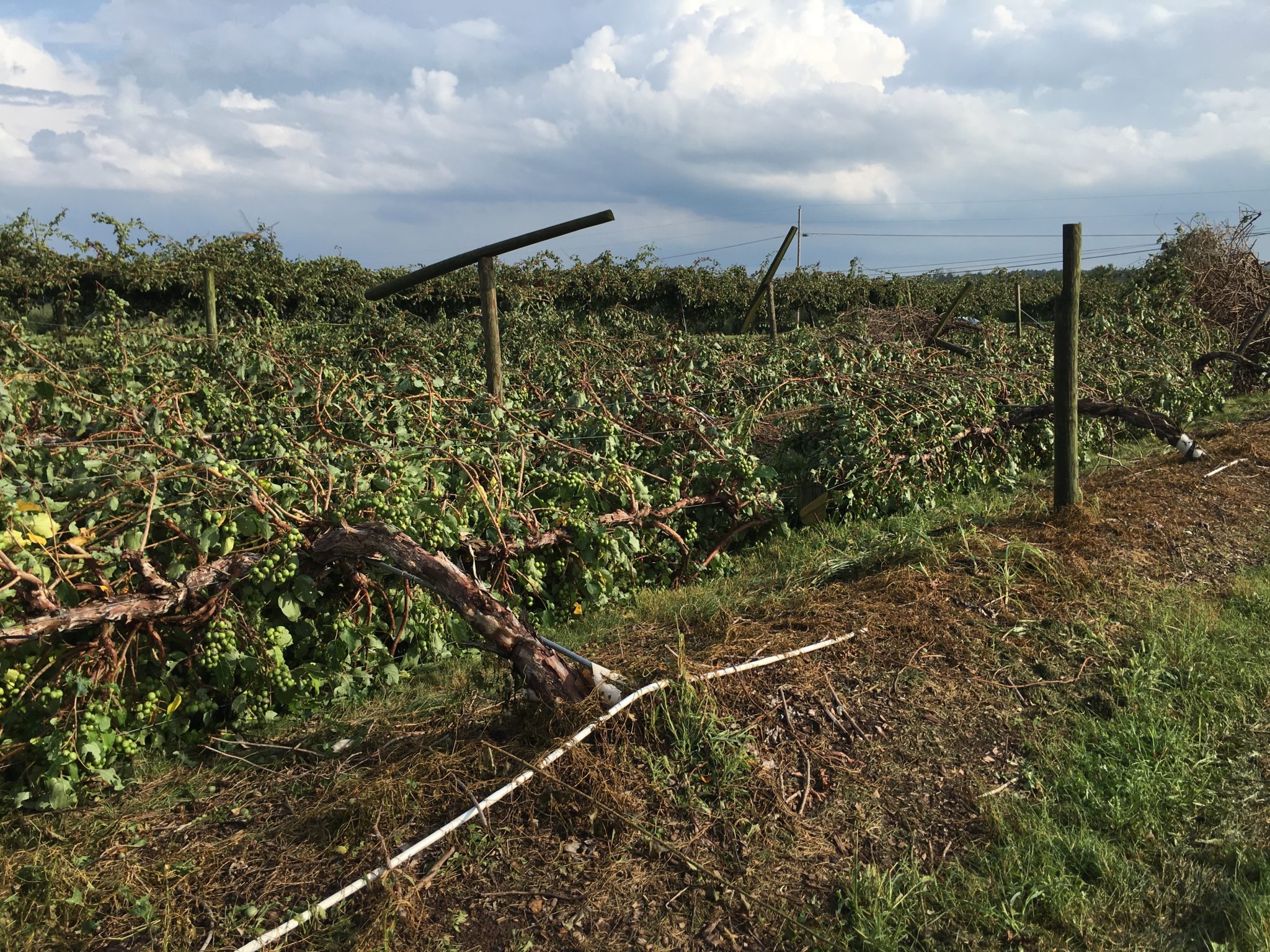
Unseasonal rain and hailstorms in the first week of April have destroyed crops on some 42,000 hectares in Maharashtra. Wheat, cotton, soyabean, tur, and sorghum, and horticultural crops such as grape, pomegranate, cashew, mango, orange, and banana were severely affected across the State. Of the 36 districts in the State, 24 were badly affected. Primary reports from local media suggest that the cumulative losses could run into Rs.5,000 crore.
“I was supposed to harvest the grapes at the end of this week. The quality checking for export was already done. But the rain completely destroyed the crop. I lost more than Rs.30 lakh ,” said Ravindra Daulat Pawar, a farmer from Niphad, Nashik.
Vivek Raikar owns a pomegranate orchard in Jamkhed, Ahmednagar, on four hectares. He exports his entire crop to Dubai every year. He had even asked his export agent to be ready by April 15. But the rain and hailstorm on April 6 poured water on his plans. Vivek said: “The worst part is that the trees were damaged. It needs three to four years to build an orchard. This calamity has damaged our hard work of years.”
Extent of damage
Primary information gathered by the State’s relief and rehabilitation department showed that crops on an estimated 42,000 hectares were damaged. Nashik was the worst affected district, where crops on 8,400 hectares in 145 villages are entirely damaged. Ahmednagar was the second most affected district, where crops over 7,305 hectares were totally destroyed. Akola in the Vidarbha region suffered crop losses over 5,859 hectares, while Dharashiv in the Marathwada region lost crops on 2,895 hectares.
Maharashtra Chief Minister Eknath Shinde visited affected farms in Nashik, Ahmednagar, and Dharashiv districts and promised farmers they would receive all assistance needed. Shinde said: “The State government will immediately start the process of releasing financial aid. Also, we will come up with measures that will help farmers to rebuild their orchards.”
Maharashtra already faced two spells of unseasonal rains in March this year: the first during the March 5-8 period and the second between March 14 and March 17. The State government had announced Rs. 177 crore as relief for those who suffered losses in March.
Vikas Sawant is a cashew grower from Kankavali, Sindhudurga with a farm of 5,000 cashew trees. The rain on April 7 destriyed 80 per cent of his crop. He said: “Some 112 trees fell during the storm this time. That itself is a loss of Rs.10 lakh. Apart from this, I lost crops worth almost Rs.15 lakh.”
Maharashtra is the country’s leading producer of horticultural crops. According to the Union Agriculture Ministry, the State accounts for 74 per cent of the total national fruit production.
The opposition has demanded that the government pay Rs.1 lakh per hectare to cover horticultural losses and Rs.50,000 per hectare for other agricultural losses.
Ajit Pawar, leader of the opposition leader in the Assembly, said: “The losses this time need a special approach of the State and Central government. Not just immediate financial relief, farmers also need to be helped in assuring smooth agricultural loans, extending the dates of earlier loans, as well as relief from EMIs for first six months. There should be a proper package which would take care [of all their needs], from seeds to loans.”
Vidarbha also affected
Unseasonal rains have also affected what is known as the “farmers’ suicide belt” of the State. Eight districts of Marathwada and six districts of western Vidarbha were badly hit, with wheat, onion, vegetables, and cotton among the damaged crops in Akola. Some 2,000 hectares of onion and wheat were lost in Akola district.
In Buldhana, three tehsils saw heavy rains for four days, which affected cotton, tur, onion, and soyabean crops.
Jaladar Dethe, a farmer from Mehkar, lost his onion crop spread over 1.5 acres. He is a small land holding farmer for whom this crop was the sole produce for the entire season. He said: “I have a loan of Rs.40,000. I was planning to repay some of it plucking onion. But the crop is gone.”
Against this backdrop, farmers badly need a breather in the area of loan repayment as well quick issuing of new loans by banks.
Deepak Chavan, a senior journalist and agricultural expert, said: “This is the time when farmers go to private moneylenders. They need money to meet daily needs as well as for preparation for the kharif season. If banks and governments fail to help them, farmer suicides will resume. This needs to be kept in mind while announcing relief in this situation.”
Dr Ajit Navale, Maharashtra general secretary of the All India Kisan Sabha, said: “The government should immediately give Rs.1 lakh per acre for horticulture and Rs.50,000 for agriculture. Also, the State government should waive off the loans of small land holding farmers. Banks also need to be given clear instructions for issuing loans for the kharif season.”
Meanwhile, the meteorology department has alerted farmers about the possibility of more rain in the next 5-6 days. It has issued an orange alert for north Maharashtra, Marathwada, and parts of Vidarbha.
Source - https://frontline.thehindu.com