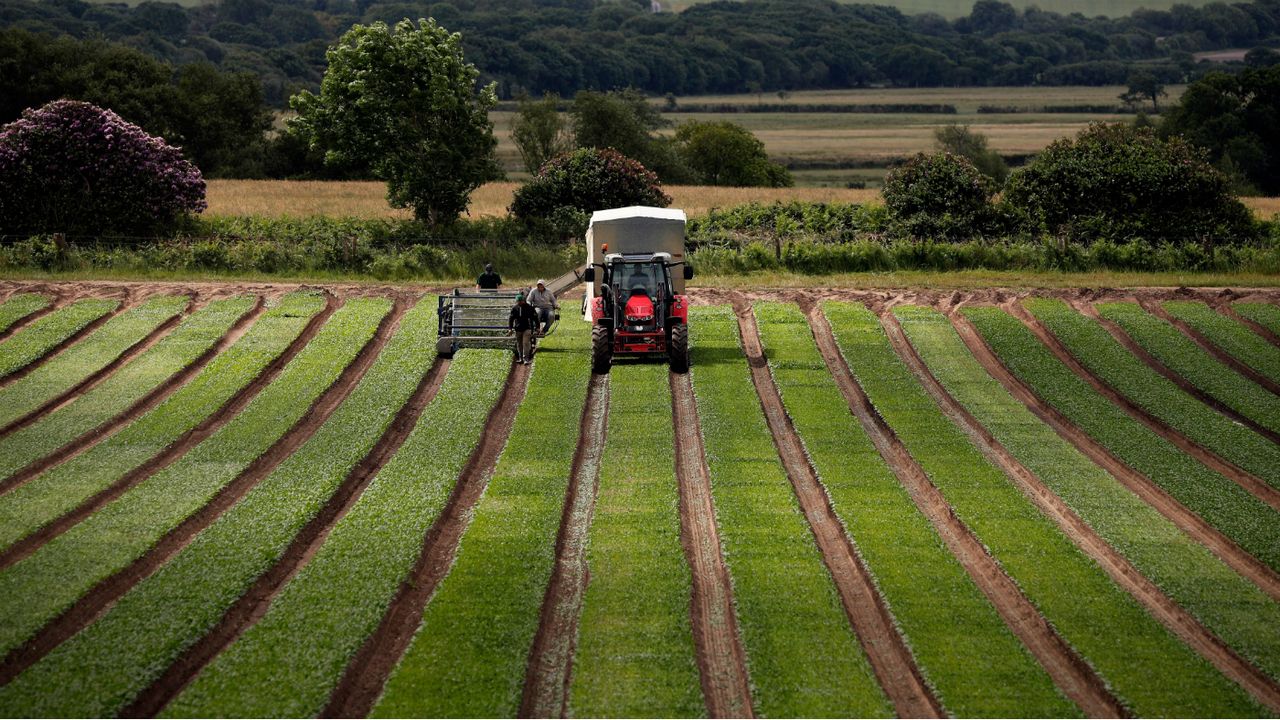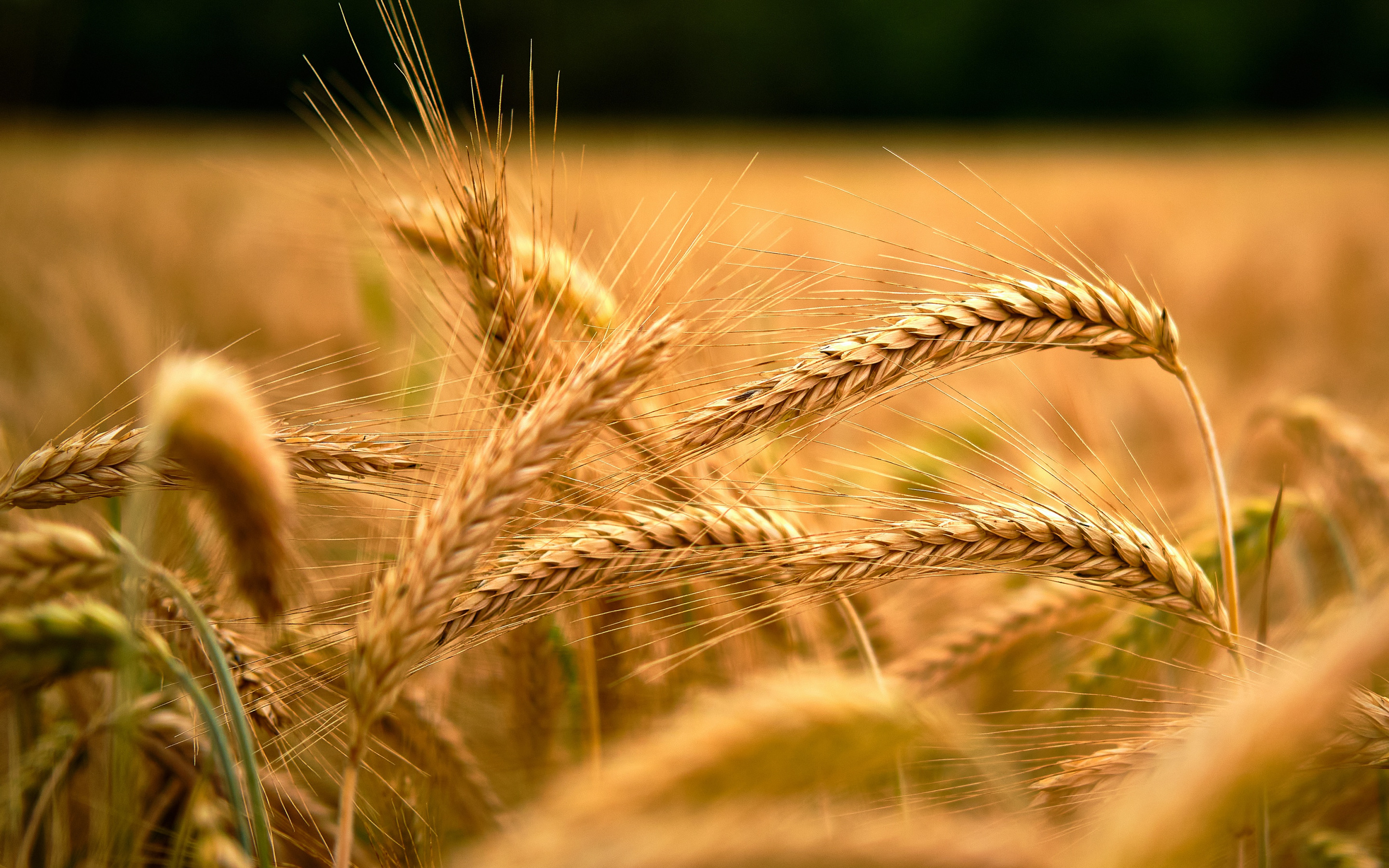
After the Indian Institute of Wheat & Barley Research (IIWBR) warning, the India Meteorological Department (IMD) has issued an advisory saying sudden rise in maximum and minimum temperature during flowering and maturing period may cause loss in wheat and other crops which is ready for harvest. According to IMD, northwest, many parts of the country are already recording temperatures that are usually recorded in the first week of March.
The IMD said the maximum temperatures are likely to remain 5 to 7 degrees Celsius above normal over many parts of northwest India for the next three days. This may adversely impact the wheat crop that is approaching the stage of reproductive growth, which is sensitive to temperature, it said. “High temperature during flowering and maturing period leads to loss in yield. There could be a similar impact on other standing crops and horticulture,” IMD said.
“Farmers are advised to check if the crop appears to be under stress, light irrigation can be provided. To reduce the impact of higher temperature, add mulch material in the space between two rows of vegetable crops for conservation of soil moisture and maintaining the soil temperature,” it said.
Last year, in March — the warmest recorded in India since 1901 — wheat yield had shrunk by 2.5 per cent because of the heat.
Wheat crop has reached the maximum vegetative stage in Madhya Pradesh, parts of Punjab and Haryana, according to the Mahalanobis National Crop Forecast Centre (MNCFC).
Whereas in eastern Uttar Pradesh and Bihar, wheat crop is yet to reach the maximum vegetative phase due to delay in sowing, it said in its latest report.
The life cycle of a wheat plant is divided into three main development phases, namely the vegetative phase, in which leafs and tillers are developed, the reproductive phase, and the grain fill stage.
The wheat crop normally enters the grain fill stage in March and any unusual rise in temperature could cause yield damage. Wheat is the main rabi crop, the harvesting of which will begin from end of next month.
The IIWBR that functions under the Indian Council of Agricultural Research asked farmers to also regularly inspect their wheat crops for the yellow rust disease. It said in case of a sudden rise in temperature, farmers should use light irrigation and spray potassium on the wheat plant to reduce the damage.
But watering the plants should be stopped if there is strong wind, as the crop may fall otherwise, causing more damage.
In its forecast, the IMD said maximum temperatures are likely to remain three to five degrees above normal in the region as well as central and west India over the next five days. Delhi on Monday recorded the third hottest February day since 1969 with the maximum temperature at the Safdarjung observatory, the national Capital’s primary weather station, soaring to 33.6 degrees Celsius.
The city had recorded an all-time high of 34.1 degrees Celsius on February 26, 2006, and a maximum temperature of 33.9 degrees on February 17, 1993. Kuldeep Srivastava, head of the India Meteorological Department’s (IMD) regional forecasting centre, said the lack of strong western disturbances was the primary reason for the early heat in Delhi and other parts of northwest India.
“The weather in northwest India is primarily regulated by western disturbances. Since there has been no active western disturbance in the region since January 29, the temperatures have gone up appreciably,” he said. A few feeble western disturbances have led to below-normal precipitation in the hills, Srivastava added.
Source - https://www.dailypioneer.com