Tomato and brinjal growers face mounting losses as pesticides lose potency, exposing the hidden limits of intensive, single-crop farming.
For Muralidhar Naik, farming is no longer just about growing a crop. It is a calculated gamble with weather, pests and disease. On a 2.5-acre plot in Bargaon village of Sinapali block, every season begins with investment and hope, but ends with uncertainty.
Naik grows tomato and brinjal from June to December and watermelon from January to April. He took up commercial vegetable cultivation two years ago, investing heavily in the hope that intensive farming would give his family a better income.
His first season appeared to justify the gamble. The watermelon crop was bumper, and the family expected to earn nearly Rs 15 lakh.
“Each watermelon weighed between 12 and 15 kg,” Naik recalls.
But just when the crop was ready to reward his efforts, a hailstorm struck, causing substantial damage and turning his expected earnings into a loss.
This year, Naik has invested around Rs 1.5 lakh in tomato and brinjal cultivation. He was hoping to earn nearly Rs 10 lakh. But once again, nature has intervened.
“The tomato plants have caught jhaunla disease because of the heavy rain and poor drainage,” he says. His frustration is evident. “The pesticides are not working.”
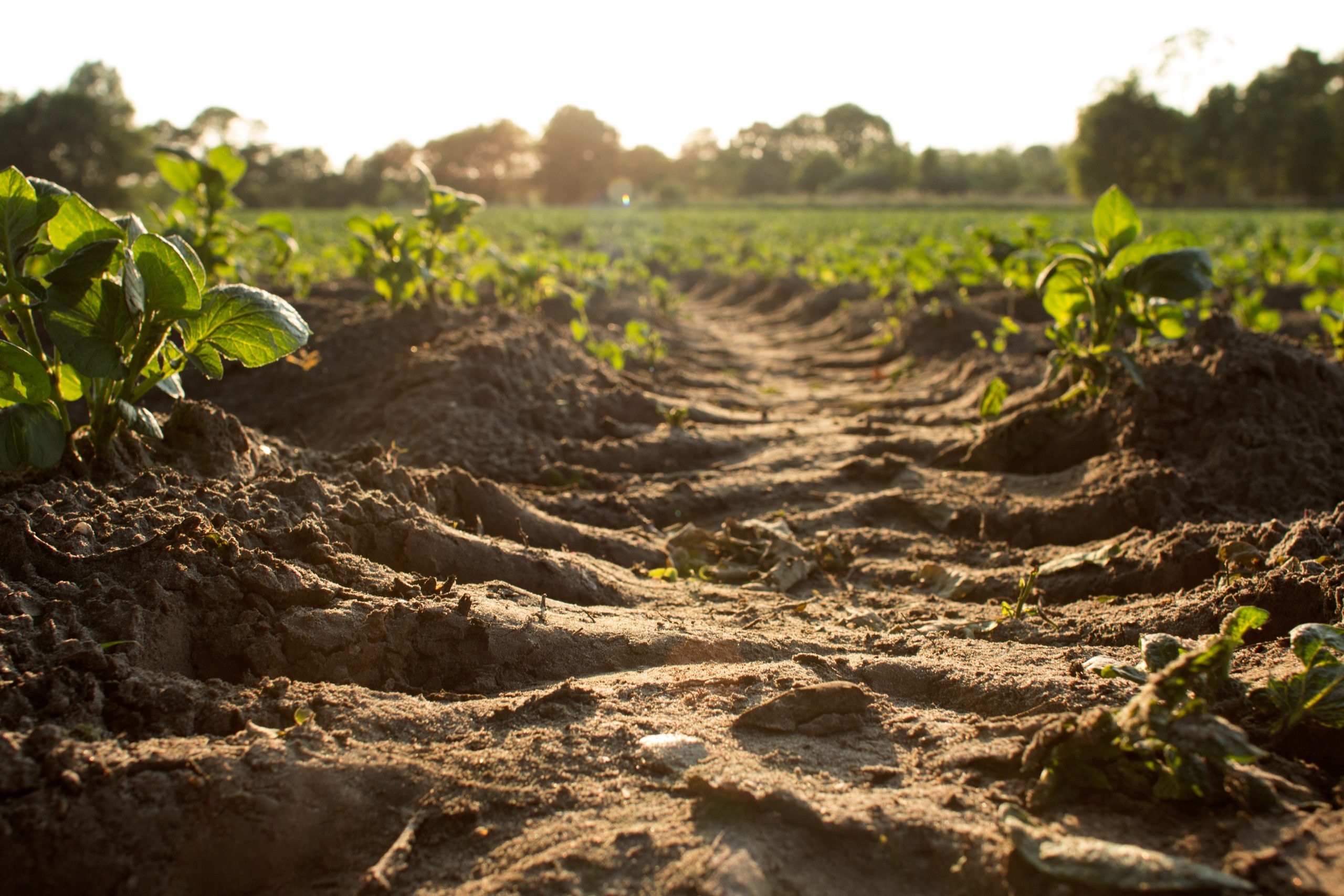
Naik has adopted several modern techniques to maximise production and reduce labour costs. Plastic sheets cover the soil around the plant roots to suppress weeds, while herbicides are used in the furrows. The entire plot is equipped with a drip irrigation system that draws water from a borewell. A solar power system supplies electricity for irrigation.
But in his battle against disease, Naik appears to be relying increasingly on chemical pesticides, perhaps unaware that the problem may need a different approach altogether.
According to the Assistant Horticulture Officer of Khariar, tomato and brinjal belong to the Solanaceae family, commonly known as the nightshade or potato family. Crops in this group are vulnerable to soil-borne diseases, including wilting. Once wilting becomes established in a field, chemical treatment may have limited or no effect.
“The best option is crop rotation,” the officer says.
Farmers, he says, should avoid growing crops from the same family repeatedly on the same piece of land. Alternating solanaceous crops with crops from other families each year can help break disease cycles and reduce the build-up of pathogens in the soil.
For Naik, however, this advice comes at a difficult time. Commercial cultivation has already required substantial investment in seeds, pesticides, irrigation, labour and other inputs. The instinct to spend more on chemicals when a crop begins to deteriorate is understandable, but it can add to the financial burden without necessarily saving the crop.
The contradiction is stark. Naik has invested in drip irrigation, solar power, plastic mulch and other modern practices to make his farm more productive. Yet the most important protection may lie in something much simpler: changing what he grows and giving the soil a break from the same family of crops.
For small farmers like Naik, the lesson is expensive. Modernisation can improve the efficiency of farming, but it cannot always overcome the biological limits of the soil or the unpredictability of the weather. When a crop fails, a farmer does not lose only tomatoes or brinjals. He loses the money he has put in, the income he was counting on and the hope he had placed in the next harvest.
Source - https://www.downtoearth.org.in