Five-year ICAR–CSIR-CRI agreement puts vegetable research, tuber processing, cold-chain technology and commercialisation at the centre of India-Africa agricultural cooperation.
India and Ghana have signed a five-year agricultural cooperation agreement aimed at translating research into field-level technologies, strengthening crop value chains and expanding the commercial application of agricultural innovations. The Memorandum of Understanding (MoU) between the Indian Council of Agricultural Research (ICAR), New Delhi, and Ghana’s Crops Research Institute (CSIR-CRI), Accra, establishes a framework for joint research, scientific exchange, capacity building and technology transfer.
The agreement reinforces India’s South-South cooperation agenda and its broader engagement with African countries, placing agricultural research and technology development at the centre of bilateral collaboration. The signing ceremony was attended by Dr. S. Jaishankar, External Affairs Minister of India, and H.E. Samuel Okudzeto Ablakwa, Ghana’s Minister for Foreign Affairs.
The commercial significance of the partnership lies in its focus on moving agricultural technologies beyond research institutions towards adoption, processing and market applications. Its initial priorities—tomato research, tuber-crop value addition and post-harvest management—address several practical constraints facing agricultural supply chains, from crop productivity to the preservation and processing of produce.
Tomato research leads the first phase
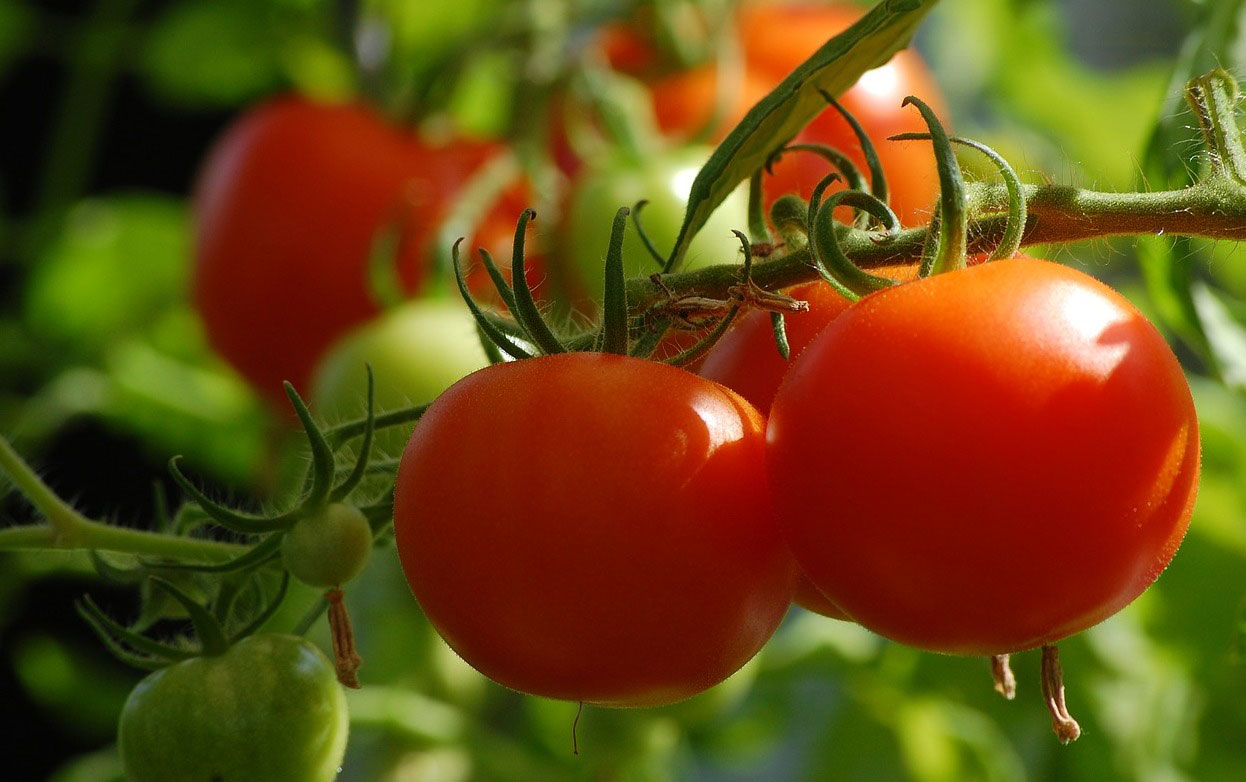
Vegetable crop research, particularly tomato research and development, will anchor the first phase of cooperation. Under the agreement, ICAR will support the scaling up of proven agricultural technologies and the introduction of suitable high-yielding tomato lines and varieties to help strengthen domestic tomato production in Ghana. The emphasis on suitable varieties is important: technology transfer is most effective when crop genetics and production practices are adapted to local agroclimatic conditions, farming systems and market requirements. High-yielding lines can contribute to productivity, but their impact will also depend on factors such as seed availability, disease resistance, agronomic support, water management and access to markets.
For Ghana, the partnership offers a route to draw on India’s agricultural research capabilities while developing technologies suited to domestic production needs. For Indian institutions, it creates an opportunity to extend the application of proven research through a structured bilateral framework.
The agreement does not specify production targets, investment commitments or timelines for the introduction of individual tomato varieties. The extent of its impact will therefore depend on how quickly research priorities are converted into field trials, locally validated technologies and accessible solutions for growers.
Cassava and yam move into the value-addition agenda
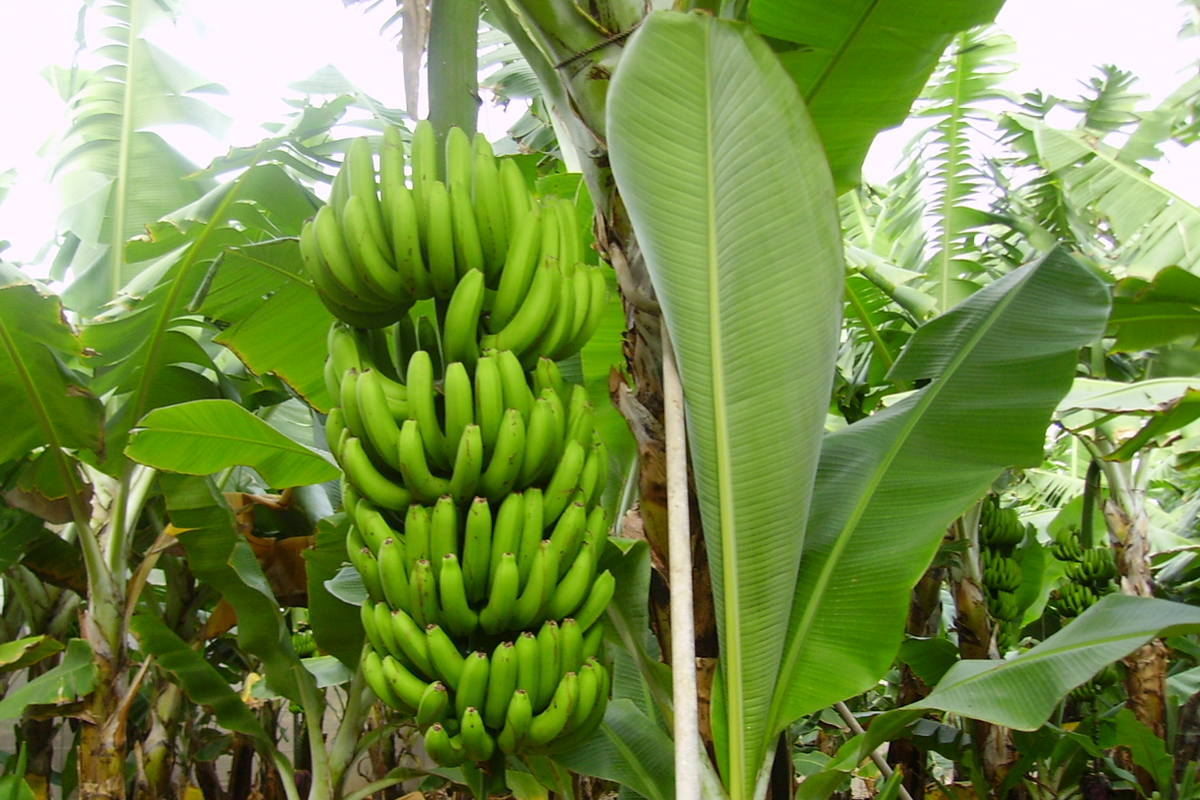
Beyond vegetables, the MoU identifies processing and value addition in cassava, yam and other tuber crops as another area of cooperation. The objective is to strengthen agricultural value chains by improving the scope for processing and the development of higher-value products. The focus broadens the partnership beyond primary production. Increasing agricultural output does not automatically translate into higher farmer incomes when processing capacity, product diversification and market access remain limited. Developing technologies for tuber processing could help connect crop production with downstream food manufacturing and other commercial uses.
For research institutions and industry participants, the challenge will be to identify processing solutions that are technically suitable, commercially viable and accessible to local enterprises. Effective value addition requires coordination across raw-material supply, processing infrastructure, product quality, logistics and market demand.
By including cassava, yam and other tubers alongside tomato research, the agreement creates a broader platform for cooperation across crop development and post-harvest value creation.
Cold-chain technology and post-harvest management in focus
Post-harvest management is another central pillar of the agreement. Cooperation will cover technical support and capacity building in cold storage, refrigerated transportation, sorting, grading and processing technologies, with the stated aim of addressing post-harvest losses. These interventions target a part of the agricultural supply chain where inadequate infrastructure and handling can erode the value of produce after it leaves the farm. Storage and refrigerated transport can help manage temperature-sensitive commodities, while better sorting and grading can improve consistency and support market-oriented handling. Processing can provide additional routes for using produce that may not meet fresh-market specifications, subject to food-safety and quality requirements.
The commercial case is straightforward: improving the handling of agricultural produce can help preserve quality, reduce avoidable losses and strengthen the connection between farmers, aggregators, processors and buyers. But infrastructure alone will not deliver those outcomes. Its effectiveness will depend on operating costs, reliable power, logistics coordination, maintenance, technical skills and the ability of businesses and farmers to use the facilities consistently. The MoU’s capacity-building provisions could help address some of these operational requirements by pairing technology transfer with the development of local expertise.
Research cooperation with a commercialisation pathway
The agreement provides for the exchange of scientists and technologists, germplasm and breeding materials, scientific information, research methodologies and technical knowledge. It also envisages the development and implementation of collaborative research projects, alongside institutional linkages between relevant research institutes and centres in the two countries. The collaboration has been facilitated by Arima Farms Ltd., Ghana, which has been recognised as the commercial partner to CSIR-CRI for specific research and commercialisation activities under the framework.
This institutional and commercial structure is significant because agricultural research often faces a gap between scientific development and practical adoption. Research institutions can develop varieties, methods and technologies, but bringing them into use requires field validation, production systems, technical support and channels for commercial application. Arima Farms’ designated role provides a commercial link within the collaboration, although the MoU details supplied do not specify the company’s financial commitments, individual project investments or the commercial terms governing particular technologies.
The broader opportunity is to build a pathway through which research priorities can be tested, adapted and potentially scaled through appropriate local partnerships. The results will depend on the projects selected, their implementation capacity and the commercial viability of the technologies involved.
Joint Working Group to oversee implementation
A Joint Working Group comprising representatives of ICAR and CSIR-CRI will oversee the partnership, review progress and guide implementation. The group is expected to meet periodically in New Delhi and Accra. The mechanism provides an institutional structure for coordinating research activities, reviewing progress and maintaining engagement between the two organisations. Its effectiveness will depend on clear project priorities, measurable milestones, regular monitoring and the ability to resolve technical or operational issues as they emerge.
The five-year duration offers a defined period in which to develop collaborative projects, strengthen institutional linkages and assess the practical results of technology transfer. However, the agreement’s stated framework does not set out specific performance indicators or quantified outcomes for crop production, post-harvest loss reduction or commercialisation.
A wider opportunity for India-Africa agricultural cooperation
The MoU strengthens India’s focus on South-South and India-Africa collaboration by connecting agricultural research capabilities with Ghana’s crop-development and value-chain priorities. It also reflects a broader approach to agricultural cooperation in which scientific exchange, institutional capacity building and commercial application are pursued together. The partnership’s potential will ultimately be judged by its implementation: whether suitable tomato lines and proven technologies reach local production systems, whether tuber crops gain viable processing opportunities, and whether improvements in storage, transport and handling translate into lower post-harvest losses and stronger market linkages.
For Ghana, the collaboration is intended to support domestic agricultural production, value addition and livelihoods. For India, it offers a platform to extend agricultural expertise through research partnerships and technology transfer while deepening institutional engagement with an African partner. The central test is whether the five-year framework can convert bilateral intent into locally adapted technologies and durable commercial outcomes. Its success will require more than the exchange of scientific knowledge: it will depend on implementation, local capacity, infrastructure and the sustained involvement of research institutions and commercial partners.
Source - https://agrospectrumindia.com