India is upgrading the Pradhan Mantri Fasal Bima Yojana (PMFBY) using AI, drones, and satellite mapping to accelerate insurance claim settlements. This digital transition aims to fix chronic delays in payouts, a long-standing issue for both farmers and insurance providers. Investors should track how this technological shift influences the operational costs and loss ratios of general insurance companies participating in the rural agricultural market.
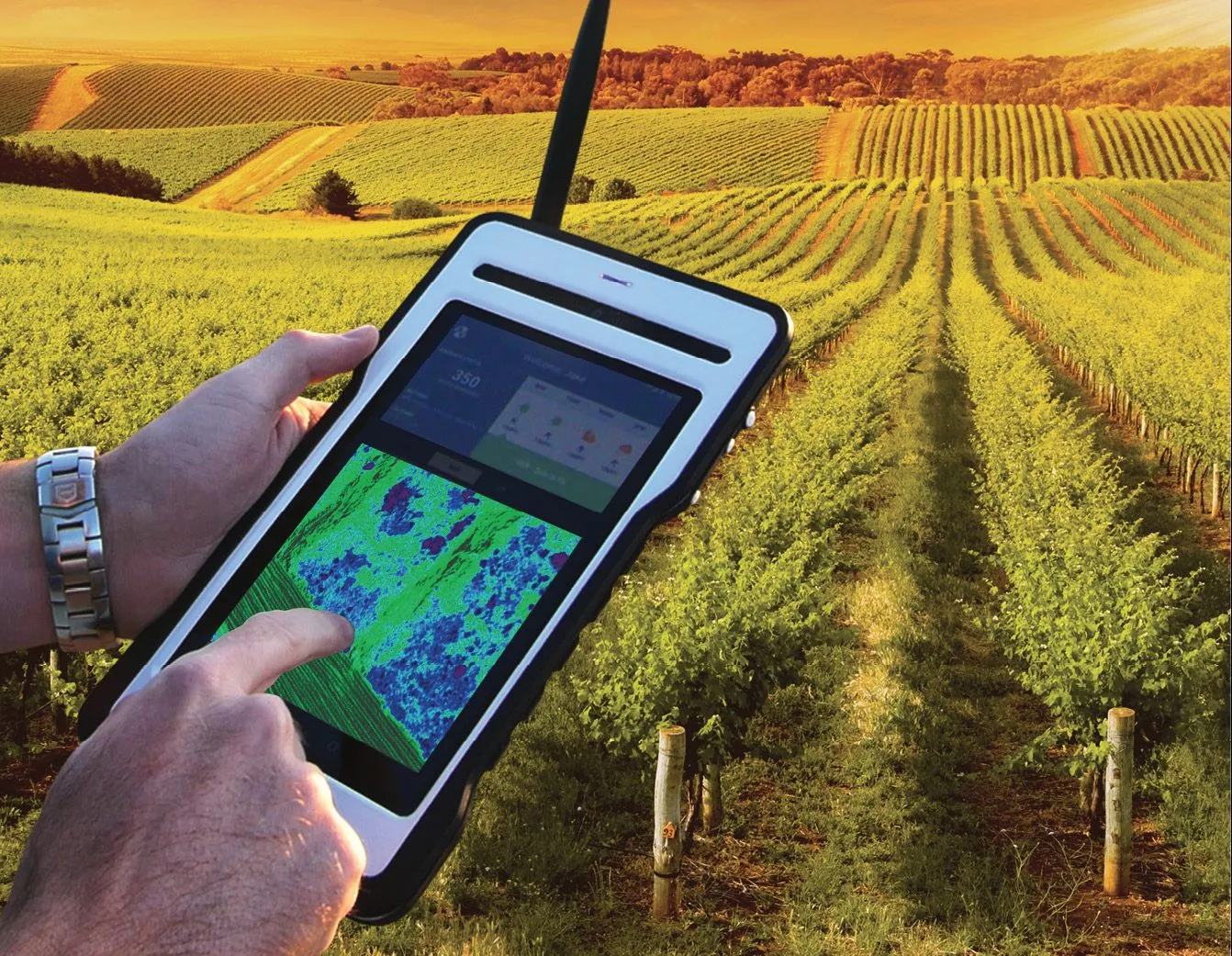
The Indian government is significantly upgrading its flagship crop insurance program, the Pradhan Mantri Fasal Bima Yojana (PMFBY), to move away from traditional, labor-intensive methods of verifying crop losses. By integrating advanced technology like satellite imagery, drone-based inspections, and AI-driven yield estimation tools, the administration aims to resolve the persistent issue of delayed insurance payouts. This shift represents a move toward data-driven, automatic claim settlements rather than relying on manual, time-consuming crop-cutting experiments that often held up the process for months.
Tech-Driven Efficiency and Payouts
The core of this digital overhaul involves platforms like the 'YES-TECH' framework for AI-based yield estimation and the 'WINDS' system for collecting localized, hyper-accurate weather data. These tools are designed to create a more transparent system where insurance triggers are linked to specific weather conditions or observed crop health rather than subjective on-ground reports. For the insurance sector, this is a material change in operational strategy. By automating the assessment of crop damage, insurance companies can potentially lower their administrative and operational costs significantly. A reduction in manual fieldwork often allows insurers to improve their profit margins by streamlining the claim verification process and reducing the overhead associated with large-scale on-ground inspections.
Challenges and Investor Risks
While the adoption of technology promises increased speed, the transition is not without challenges. One of the most significant risks impacting this sector remains the inconsistency in premium contributions from various state governments. Historically, delays in state funding have created cash flow issues for insurers, and this structural bottleneck remains a key monitorable regardless of technological advancements. Furthermore, there is an inherent risk regarding the accuracy of technology-derived data. If satellite or AI models fail to capture specific, localized damage—such as a small-scale pest attack or minor flooding—it could lead to disputes between farmers and insurers, potentially impacting the claim settlement ratios that investors closely follow.
The Digital Divide and Adoption
Another layer of risk involves the technology gap in rural areas. While the government is simplifying enrollment through mobile-first, multilingual interfaces and linking digital land records to reduce paperwork, the effectiveness of these measures depends on widespread adoption. If non-loanee farmers find the digital interface difficult to navigate or lack stable internet access, participation rates could remain lower than projected, limiting the scale of the insurance business.
The next important phase for the market will be observing the actual claim settlement timeline under this new digital framework. Investors and analysts will likely look for improvements in how quickly companies can process these AI-verified claims and whether these operational efficiencies translate into more stable underwriting profits over the coming seasons.
Source - https://www.whalesbook.com