India’s Digital Agriculture Mission has registered over 10.3 crore farmers under AgriStack to enable data-driven crop management. With a ₹2,817 crore budget, the initiative aims to shift farming from traditional practices to precision agriculture. The project creates a massive digital backbone, potentially improving credit, insurance, and input services for the agricultural sector.
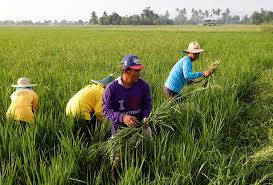
The Indian government is rapidly scaling its Digital Agriculture Mission, an initiative designed to move the country’s farming sector from traditional, anecdotal methods to a data-backed, precision-based model. Approved with a budget of ₹2,817 crore, the mission relies on 'AgriStack,' a digital public infrastructure that serves as a central database for the entire agricultural ecosystem.
As of September 2026, the project has made significant progress, with over 10.3 crore farmers already registered under the system. This platform is built on three core pillars: a farmer registry, geo-referenced village maps, and a crop-sown registry. By combining this data with AI-driven tools like Bharat-VISTAAR, authorities aim to provide hyper-local advisories on weather patterns, pest management, and crop health to millions of smallholder farmers.
Impact on Agricultural Ecosystems
While AgriStack is a government-led digital infrastructure rather than a single private entity, its implementation is expected to have a cascading effect on several industries. For banks and financial institutions, the digital registry provides reliable data on land ownership and cropping patterns, which can help in streamlining agricultural credit and reducing loan defaults. Similarly, insurance companies may leverage this verified data to process crop insurance claims faster and with greater accuracy, potentially reducing fraud and administrative costs.
Input companies—such as those selling fertilizers, seeds, and pesticides—stand to benefit from better demand forecasting. With access to real-time, aggregated data on what crops are being sown and where, these businesses can optimize their supply chains and inventory levels. However, the extent to which these efficiencies translate into profit growth will depend on how effectively these private entities can integrate with the government's public infrastructure.
Implementation Challenges and Risks
Despite the clear benefits of digitization, the project faces several practical hurdles that investors and stakeholders should watch. Data privacy is a primary concern. The massive collection of sensitive land and farmer data must be managed carefully under the Digital Personal Data Protection Act to maintain trust and security. Any lapse in data governance could pose significant reputational and regulatory risks to the project.
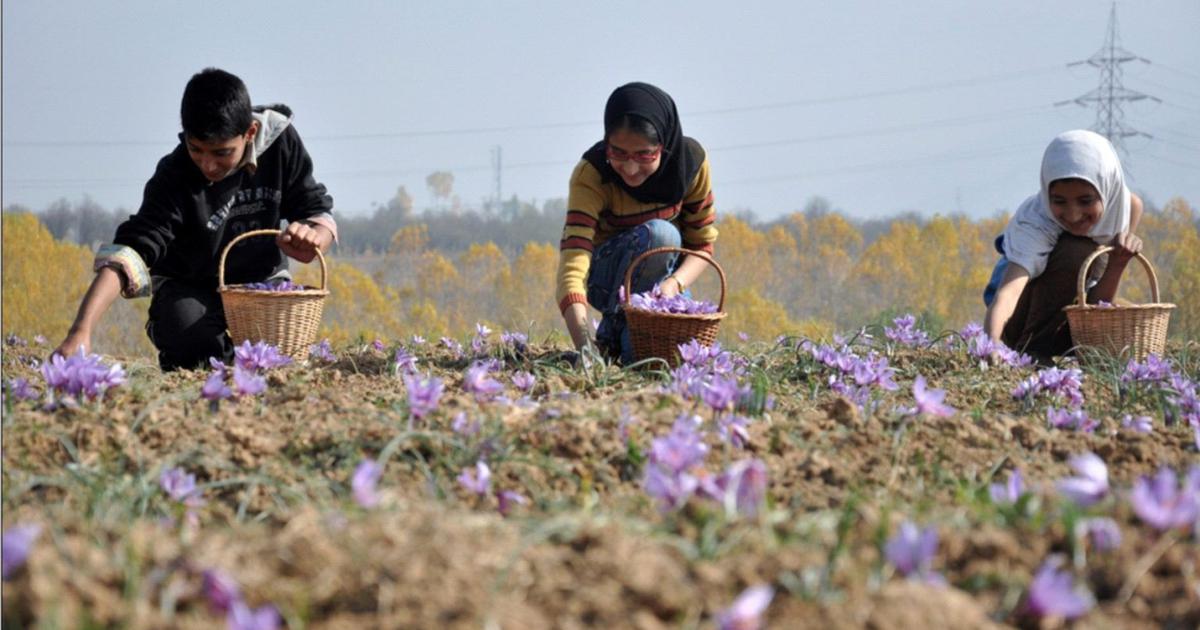
There is also a 'digital divide' to consider. The success of AI-driven advisories relies on farmers having access to smartphones and reliable internet connectivity. If the benefits do not reach smallholder farmers—who often have lower digital literacy or limited access to technology—the impact on overall productivity may be less than expected. Furthermore, coordinating data across various state and union territory databases is a complex task. Implementation friction, such as potential discrepancies in land records or resistance from local groups, could cause delays in the mission's rollout. The next major update will likely focus on the speed of adoption by private sector partners and the effectiveness of on-ground service delivery to rural farmers.
Source - https://www.whalesbook.com