The Philippine Crop Insurance Corp. (PCIC) has set aside P187 million to compensate nearly 25,000 insured farmers for losses caused by tropical cyclones Luis, Maymay and Neneng, and the enhanced southwest monsoon.
The claims cover damages reported Aug. 1-26 across eight regions, mostly in Luzon, and will benefit 24,987 farmers, PCIC said Sunday.
Central Luzon had the most beneficiaries at 9,636, followed by the Ilocos Region with 3,874.
Rice farmers accounted for the bulk of claims at P132.9 million, while claims for high-value crops reached P42.1 million and corn P9.3 million, PCIC president Jovy Bernabe said.
“We have issued strict instructions to our regional staff to continue extending their assistance to the affected farmers and speed up the processing of their damage claims,” Bernabe noted.
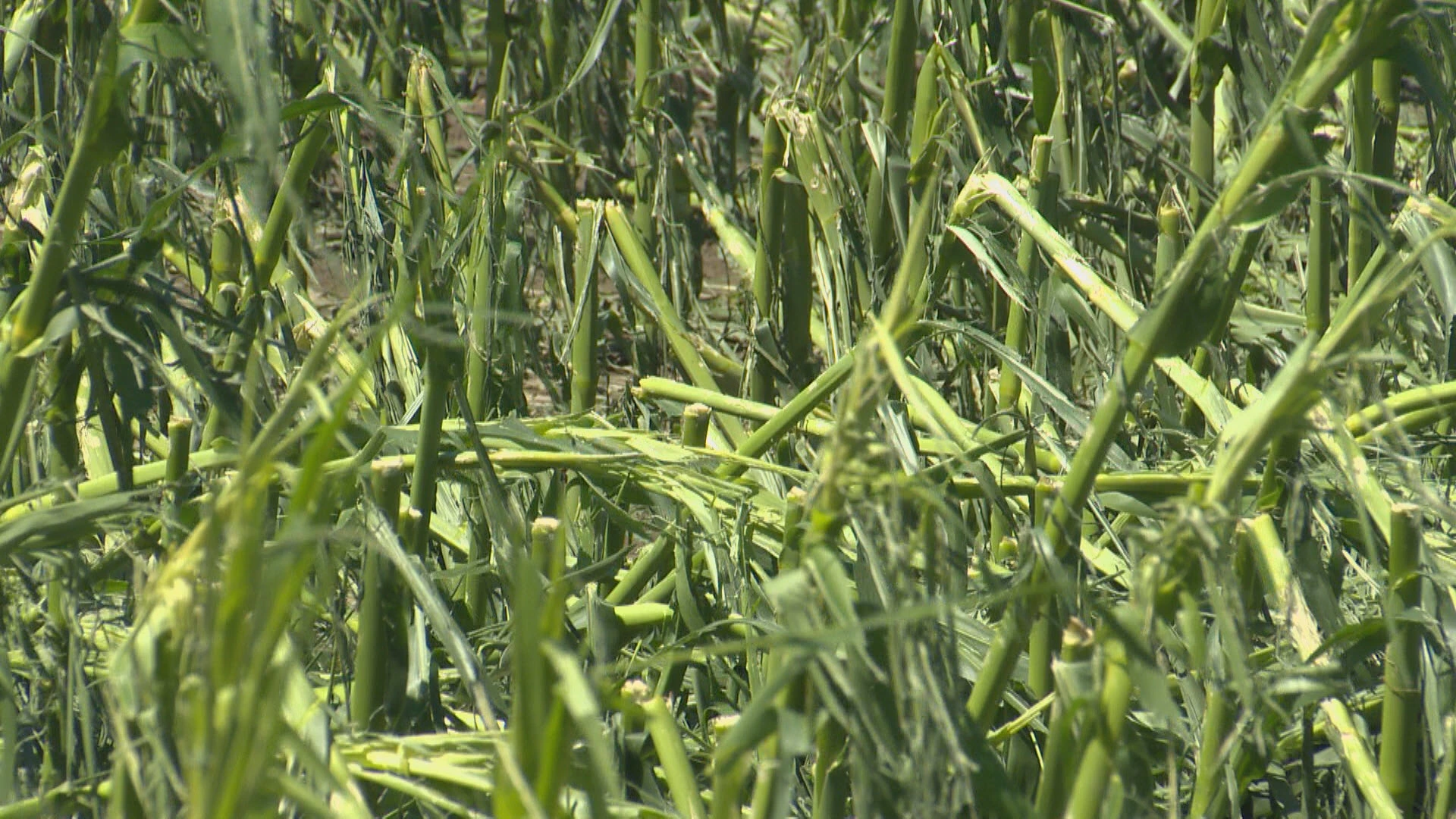
The insurance payments cover only a portion of the agricultural damage caused by the recent weather disturbances.
As of Sept. 6, agricultural losses from the three tropical cyclones and the southwest monsoon had reached P4.13 billion, according to the Department of Agriculture’s Disaster Risk Reduction and Management Center.
The weather disturbances affected 97,589 farmers and fisherfolk and 81,383 hectares of farmland, with production losses totaling 100,602 metric tons (MT).
Rice suffered the largest losses at P2.04 billion, covering 73,307 hectares and 65,106 MT of lost production. The volume represented about 0.32 percent of the government’s 20.29-million-MT rice production target for the year.
“Unfortunately, much of the damaged rice was already about to be harvested,” Agriculture Secretary Francisco Tiu Laurel Jr. said.
Corn losses totaled P125.07 million, involving 1,977 hectares and 4,665 MT of production, equivalent to about 0.05 percent of the 8.8-million-MT annual target.
Tiu Laurel said high-value crops in the Cordillera Administrative Region were also affected, along with fisheries, particularly fishponds in Bulacan and Pampanga.
The damage could put upward pressure on prices of vegetables and fish because localized supply disruptions can quickly affect retail prices.
Rice prices, however, are less likely to face significant pressure. Despite the extent of the damage, lost rice production accounts for less than 1 percent of projected annual output.
Tiu Laurel said the country also has sufficient rice supplies from recent domestic harvests and imports, providing a buffer against the production losses.
Faster insurance payouts could help affected farmers resume production and prevent temporary crop losses from causing longer disruptions to agricultural supply.
Source - https://newswav.com