It was still pitch-black outside when Indonesian housewife Sutinah made her way to a local police station early one morning last month, hoping to avoid queues and take advantage of a government scheme offering affordable rice.
Even though dry weather fuelled by El Niño has led to a rice shortage and sent prices to record highs, the 52-year-old from the East Java town of Pasuruan was still shocked to see hundreds of likeminded residents already waiting patiently in line.
"By the time we got here it was already busy, we still had to queue. We had no other choice because the price of rice in the market is very expensive," said Sutinah, who like many Indonesians goes by just one name.
The mother-of-two queued for two hours to buy two 5 kg bags of rice for 102,000 Indonesian rupiah ($6.51) - a saving of about 50,000 rupiah compared to supermarket and market prices.
Indonesia was self-sufficient in rice in the 1980s before farmland was used to build housing for the booming population, which now stands at more than 270 million people.
Despite this, more than 90% of Indonesian families still consume rice every day, providing more than half their daily calories.
The Southeast Asian nation's per capita annual rice consumption stands at about 95 kg (210 lb) - much higher than the average yearly consumption of other carbohydrates like corn, sweet potato, potato and cassava, said Rajendra Aryal, the Food and Agriculture Organization's representative in Indonesia and Timor-Leste.
Such is the importance of the staple to Indonesia's economy, culture and society that high food inflation contributed to the downfall of strongman President Suharto in 1998.
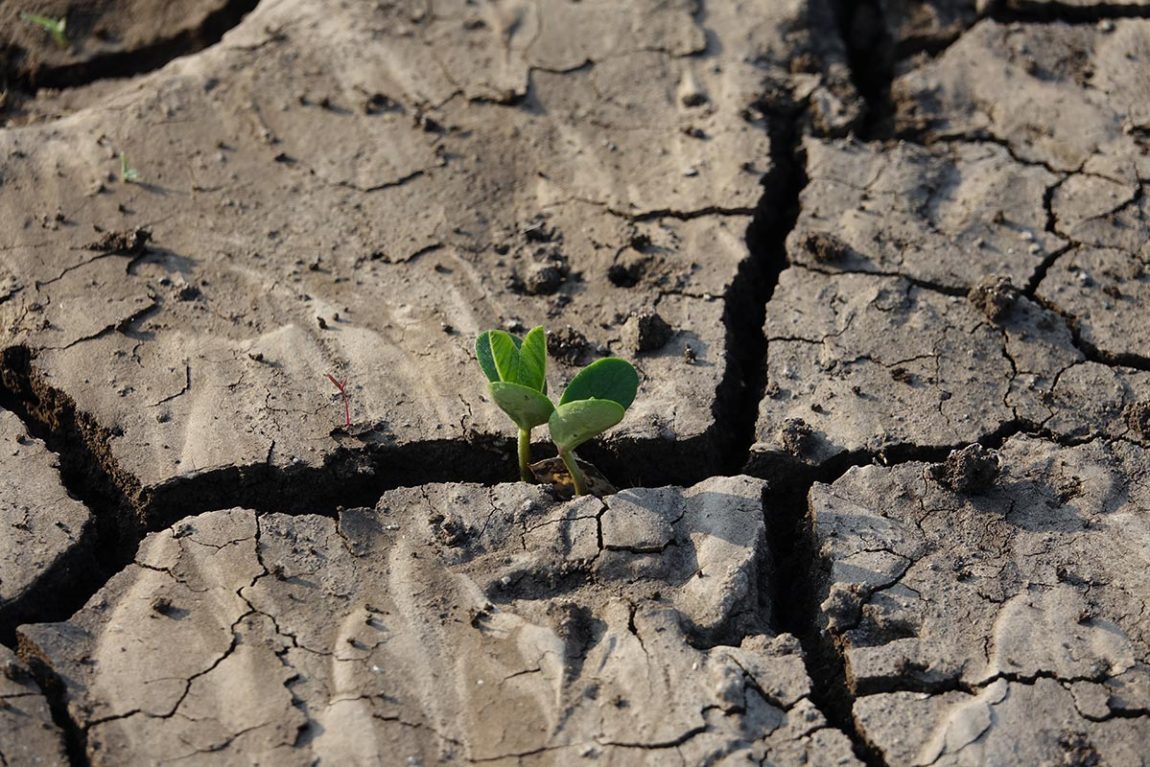
Last year was relatively hot due to the El Niño weather pattern, and a prolonged dry season in parts of Indonesia saw rice production fall by around 18%, said Aryal. The sprawling archipelago is due to enter the dry season again next month.
No rice? Not eaten
Indonesians often say if you have not eaten rice, you are yet to eat, and the staple grain is not just a relatively low-cost source of sustenance for most households, but part of the country's cultural identity.
Rice has been an integral part of Indonesian history and culture since ancient times, and its cultivation can even be seen in the famous 9th century Borobudur temple complex in central Java, said Ika Krishnayanti, international relations officer at farmers' group the Indonesian Peasants' Alliance.
"Rice is one of the most important agricultural commodities in Indonesia ... a symbol of culture and tradition," Krishnayanti told Context.
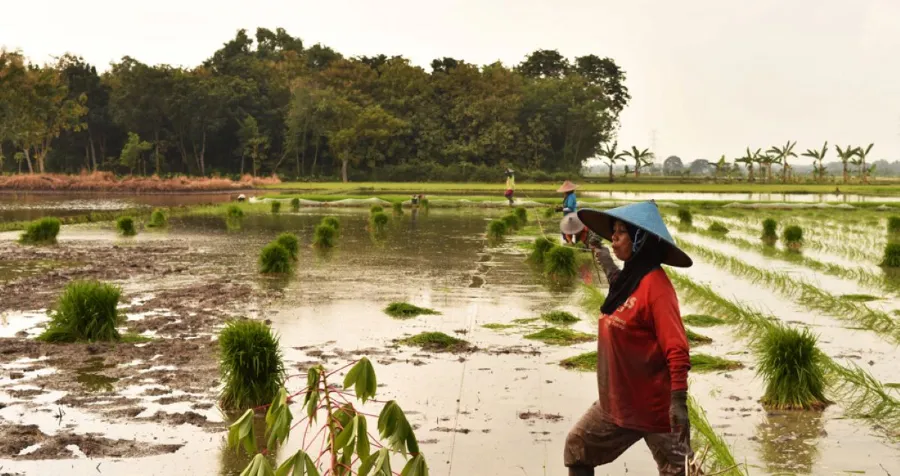
Rice paddies are also a distinctive part of Indonesia's landscape, especially in regions popular with tourists, like Bali and Central Java, said Jongsoo Shin, Asia director at the International Rice Research Institute (IRRI).
"Rising rice prices and reduced availability can lead to food insecurity, particularly for low-income households. This can create feelings of hunger, anxiety, and frustration, increasing the risk of social unrest and protests," he said.
"Farmers experiencing crop failures lose income and may face debt, further contributing to economic hardship and social instability," Shin said, adding that Indonesia is set to import up to 5 million tonnes of rice in 2024.
But an increased reliance on rice imports can make Indonesia more vulnerable to price fluctuations and supply chain disruptions in exporting countries, he said.
"Importing large quantities of rice can put a strain on the government's budget and weaken the agricultural sector, which is crucial for rural employment and food security," Shin added.
Tech can help farmers facing soaring temperatures
To combat the rice shortfall, Indonesian President Joko Widodo last year drafted in the military to help with planting and subsidised fertilizer distribution.
Acknowledging the pressures from rising rice prices to consumers and the more than 15 million households that grow food, the Indonesian government has also begun to sell discounted rice and provide cash handouts to families worst hit.
Romauli Panggabean, environmental economist for sustainable food systems at think-tank the World Resources Institute Indonesia called for more diversification of sources of carbohydrates to help Indonesians be more resilient to rice price fluctuations.
She noted that the country's National Food Agency was encouraging people to eat other locally available sources of carbohydrates such as corn, cassava, potatoes, banana, sorghum, and sago.
Distributing drought-tolerant rice seed varieties to farmers in affected regions was also important, said IRRI's Shin.
In the longer term, the government should continue to invest in improving irrigation infrastructure, including rehabilitating existing canals and building new ones, to enhance water management and reduce dependence on rainfall, he added.
Early warning systems to monitor weather conditions and provide timely information to farmers about potential droughts, also allow them to take preventative measures.
This should go hand-in-hand with providing training to farmers on drought-tolerant agricultural practices, water conservation techniques and post-harvest storage, Shin said, adding that crop insurance schemes and diversifying crops offered greater security.
Technology is very much part of the solution, analysts said, with drones and sensors able to monitor crops, soil moisture, weather conditions and irrigation systems, and digital platforms enabling farmers to share information and best practices.
Apps can also help consumers find the best deals for rice.
In East Java's Lamongan, one of Indonesia's rice producing regions, 70-year-old farmer Salimah said extreme weather had made life more difficult.
Longer droughts had forced her to grow more crops that are resistant to dry weather, such as corn or sesame, even though they are often more expensive.
"I plant green beans to keep my income ... most farmers leave their land empty because the weather is too hot," she said.
($1 = 15,661.0000 rupiah)
Source - https://www.context.news