As the effects of climate change become more apparent, long-held traditions will need to be resurrected. Others will need to be abandoned.
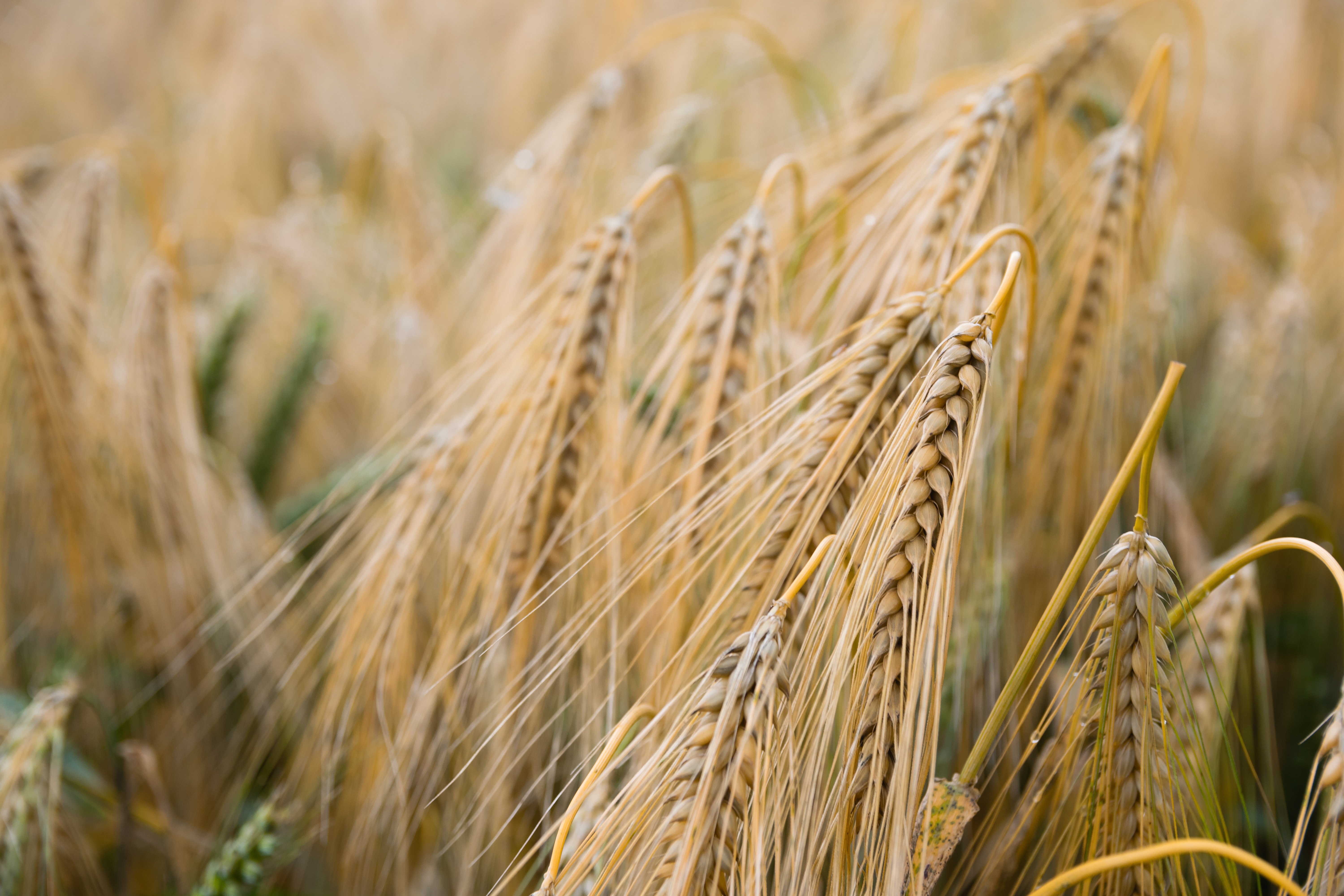
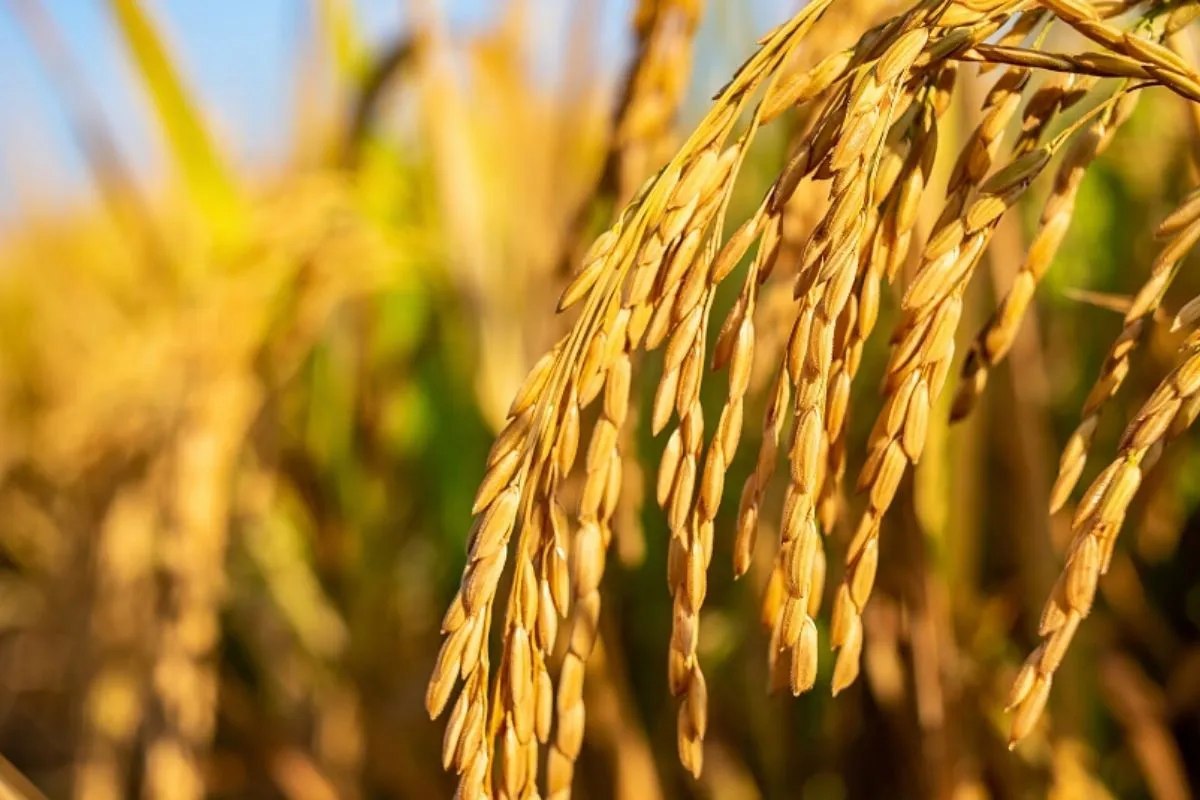
Indonesia is highly dependent on rice. Indonesians consume 35.6 million tonnes of the staple, an average of 124kg of rice per person per year.
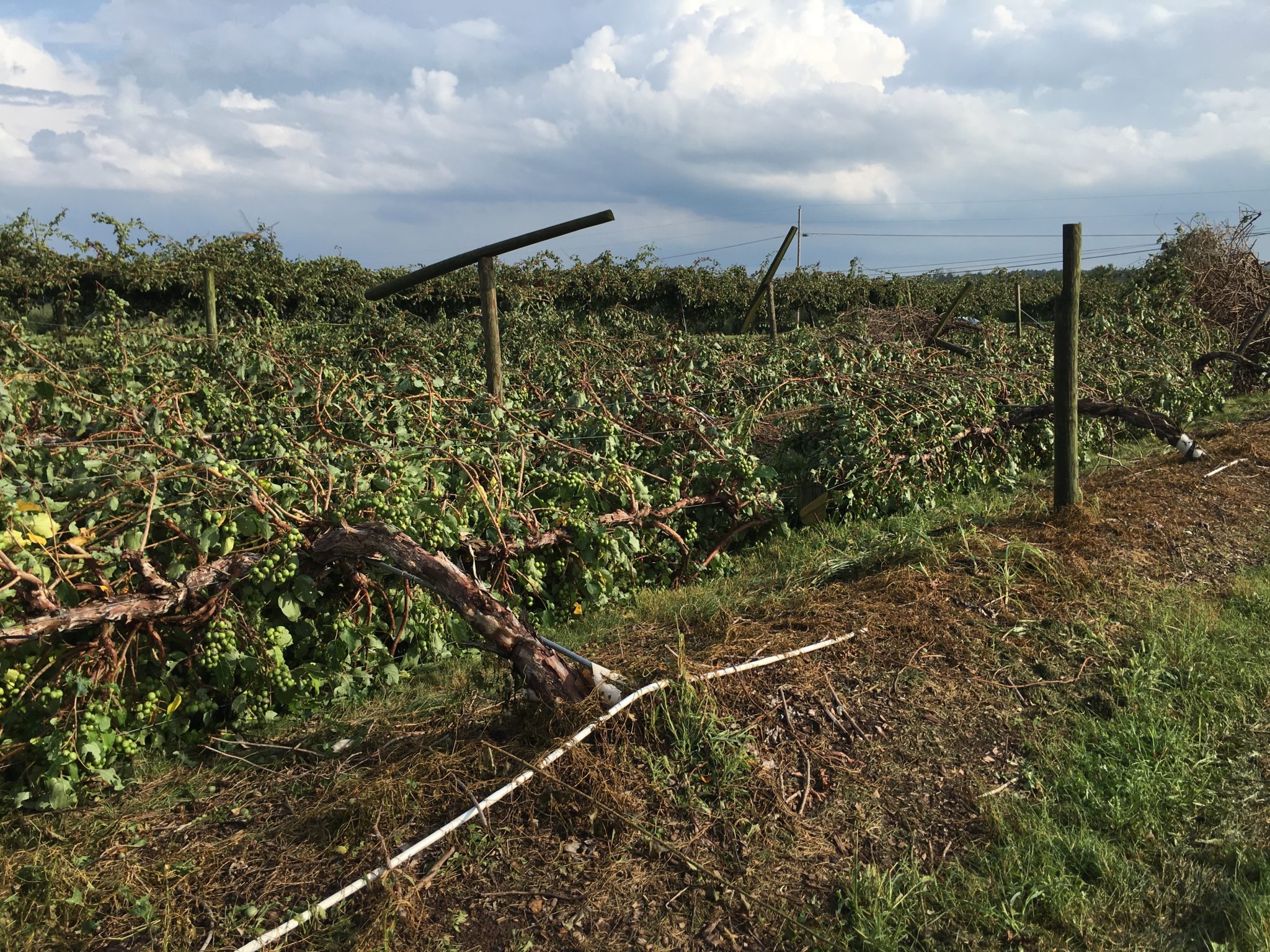
But climate change is increasingly impacting the nation's rice harvests.
In recent years, late-starting wet seasons have delayed sowing. Farmers have sometimes tried five times to get their crop in the ground, costing them labour, seeds and fertiliser. Rainy days and non-rainy days are alternating without a clear pattern.
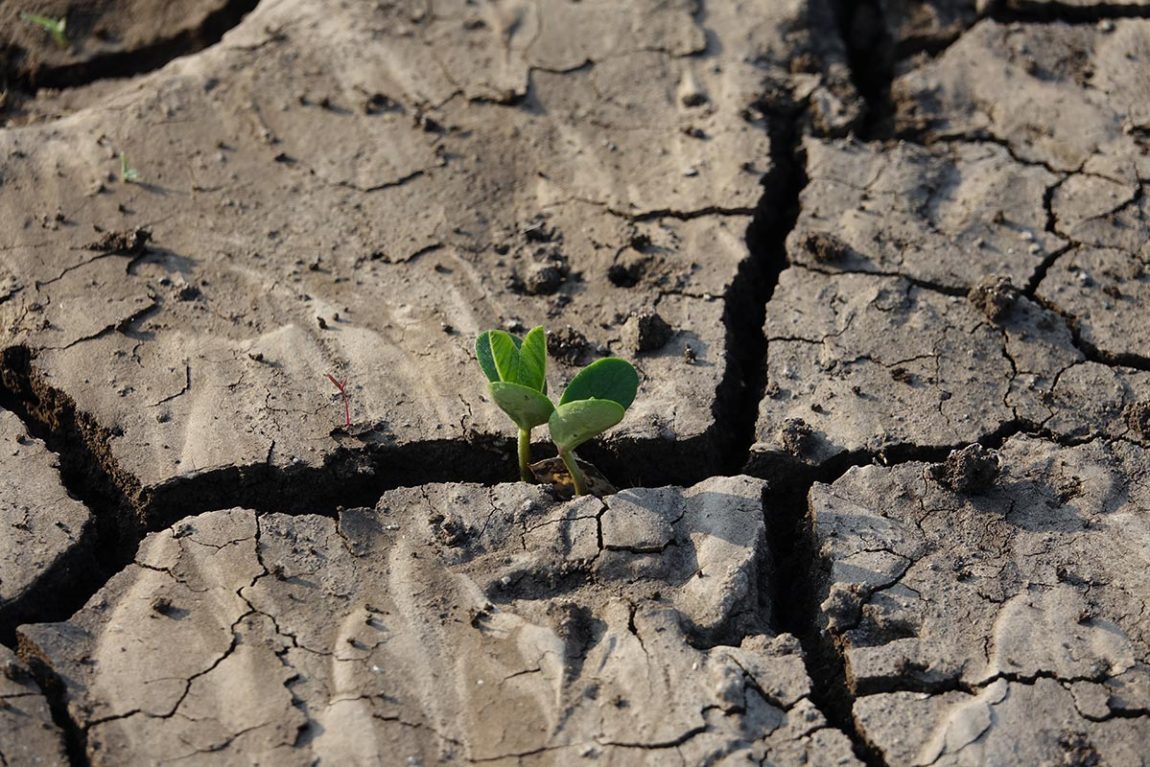
In 2023, due to El Niño, there was a prolonged dry season. The small number of rainy days caused difficulty for farmers seeking to start farming land preparation and crop planting.
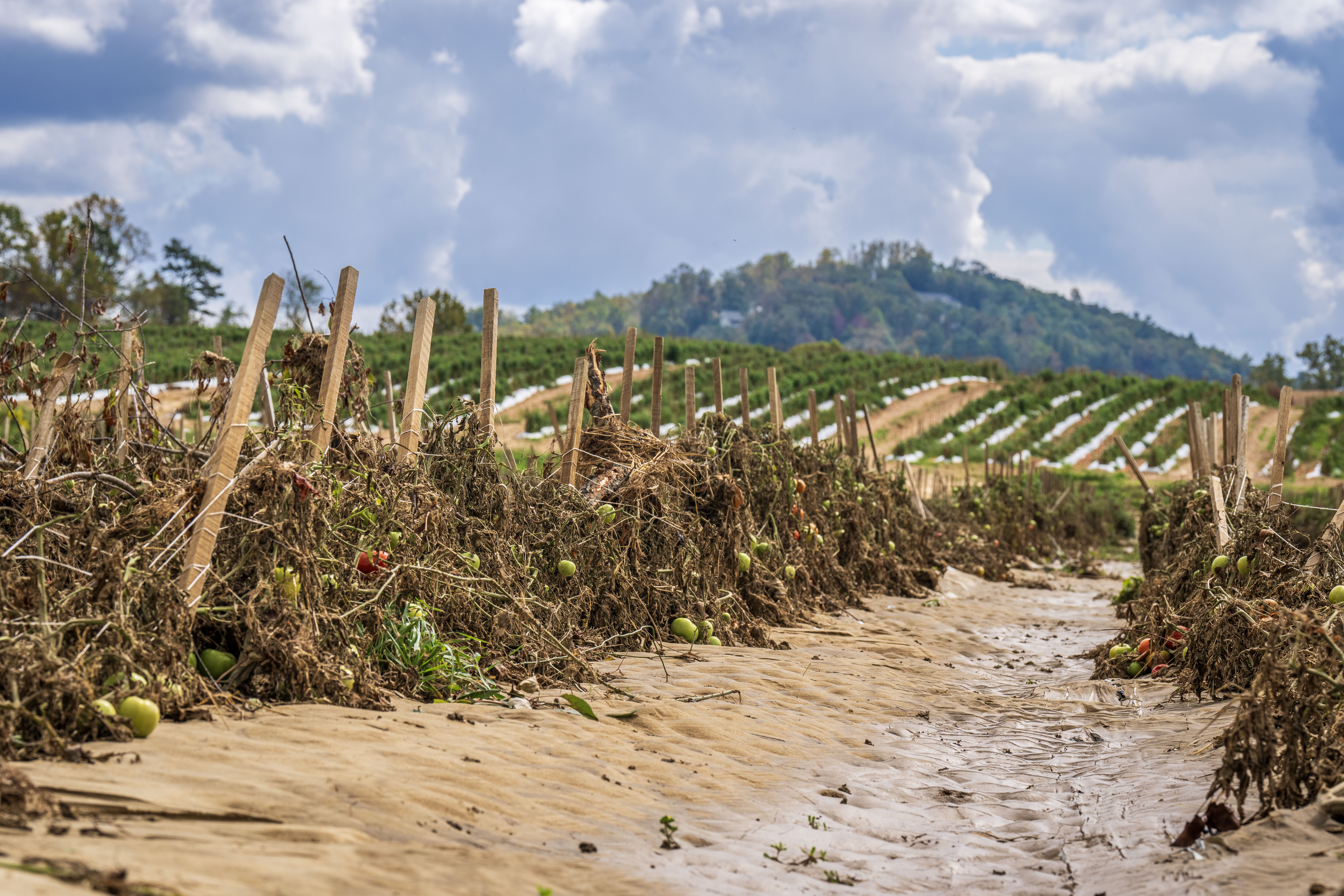
The drought has caused many cases of rice harvest failure, posing a risk to national food security.
Data from the Central Bureau of Statistics from 2023 shows El Niño has had a significant impact on the stability of national food production.
Rice production during January-September 2023 reached 45.33 million tons of milled dried grain, a decrease of 0.11 million tons (down 0.23 percent compared to 2022), as the harvested area decreased by 0.03 million hectares.
In late 2023, the Indonesian government announced plans to import 1 million tonnes of rice from India, to ensure a sufficient supply in light of the long drought.
These issues highlight the need for Indonesia’s agricultural sector to embrace climate adaptation strategies. These strategies could help boost climate resilience: ensuring Indonesia can prepare for, and recover from, the worst impacts of climate change.
In Indonesia, climate change is only just emerging as a serious concern. Even recently, it’s seen simply as an environmental issue – the responsibility only of environmental agencies.
For example, at a November 2021 workshop organised by Taiwan's National Chung Hsing University, development planners and agricultural field officers appeared to have limited understanding of climate change issues, mitigation and adaptation strategies for the agricultural sector in Indonesia.
There would be benefits if greater attention was given by a wider range of related agencies and departments, not just environmental agencies. They could incorporate climate change issues in their programs at a range of governmental levels.
Agricultural and rural development programmes could develop appropriate strategies for adapting to and mitigating the worst impacts of climate change.
Farmers often have only passing familiarity with climate change science and predicted changes to weather patterns. But the agricultural community has a collective knowledge, local wisdom and skills in choosing types of planting suitable for particular rainfall, or lack thereof, and potential damage due to typhoons. Selecting the appropriate timing and cultivation methods have long been practised by agricultural communities to reduce the risk of crop failure.
If Indonesia were to tap into farmers’ knowledge, it could develop appropriate and adaptive patterns to be able to guarantee food needs for all its people without neglecting the sustainability of existing natural resources.
Assisting and communicating with farmers will not be an easy matter.
There are 38.8 million farmers spread over 75,436 villages that are located in 7,232 sub-districts and 514 regencies/cities.
Information and communication technology for agriculture and rural areas would allow farmers easier access to information and innovations about food production, prices, marketing and government programmes.
Alongside efforts and strategies to increase food production, cultural strategies may come into play.
Indonesia disposes of 23 to 48 million tonnes of food waste per year, according to the National Planning Agency: that’s equivalent to 115 to 184kg per person per year. In recent years, Indonesia has imported about 500,000 tonnes of rice per year, an amount that could be reduced if the country succeeded in reducing food loss.
It may also be helpful to take structured and comprehensive steps to change patterns of food consumption. This is certainly not a simple matter: it would take the whole nation to change its eating habits, including the cultural aspect of food.
In Indonesia, there is a tradition of cooking food in big batches, but this often leaves food to waste. And many households cook traditional foods relating to particular ceremonial events. In these cases, it is almost certain some will not be eaten and will become food waste.
But Indonesia may look to other countries for inspiration.
In Japan almost all elementary schools have school gardens that grow vegetables. It is a long-term educational model to teach children about food production. In Swedish culture it is normal to provide food for family but not for guests.
While these ideas may not translate to Indonesia, it shows that food culture is not fixed.
To boost the agricultural sector’s climate resilience, food diversification may be necessary to reduce rice dependency. Increased use of home gardens could help be one way to promote food diversification.
Home gardens for the production of various foods are a local tradition combining production, economic, ecological and socio-cultural functions. In rural Java, the tradition of home gardens is used to grow various vegetables, fruits and wood that can be used to meet daily needs.
This tradition also has ecological value due to the diversity of vegetation and conservation functions, as well as socio-cultural value because it allows the exchange and sharing of various products with neighbours and relatives and supports cultural ceremonies.
Intensive use of home gardens seems a promising way to produce enough raw material to process more local foods. While promoting the production and processing of a more diverse variety of local foods is challenging, this will be a fundamental strategy in solving the nation food’s security problems.
Ultimately, Indonesia has rich cultural traditions around food production and consumption, and rural people in Indonesia have a long history and experience in cultivating many local food crops such various grain, tubers, palm, and bananas, which will be the prospective source of alternative local foods in the future.
As climate change increasingly affects food supply, the nation will need to tap into new technologies, as well as the practices of the past, in order to meet with the future.
Source - https://en.tempo.co