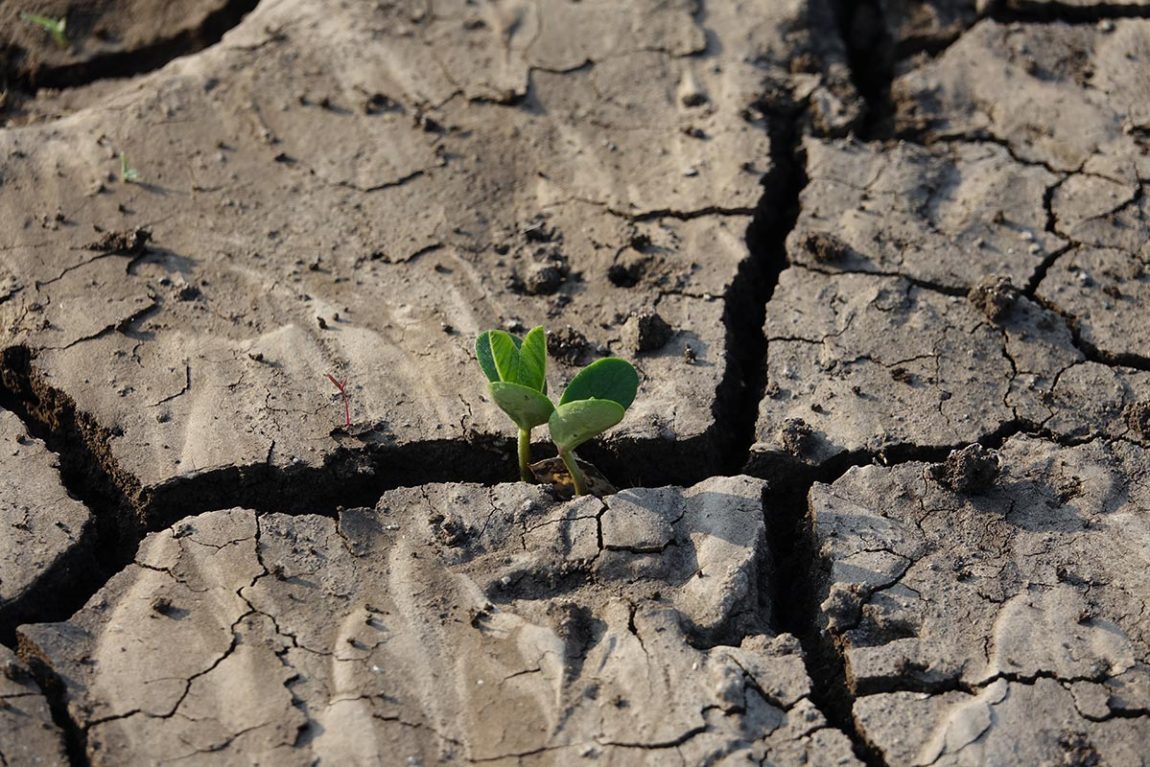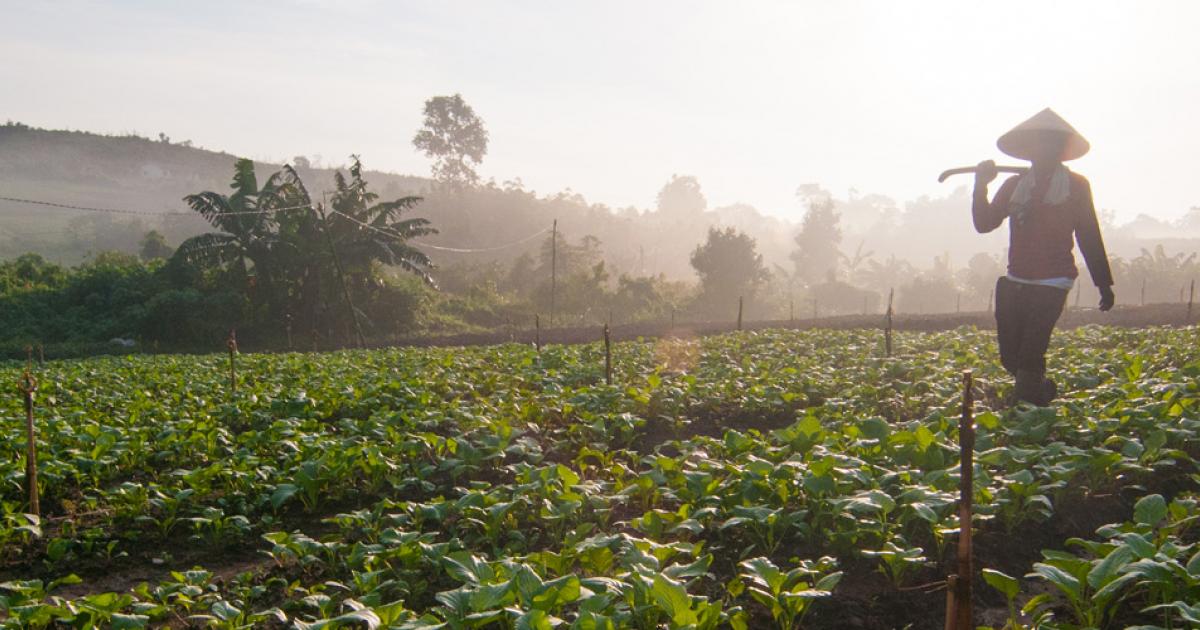
Sharia agricultural insurance is considered to have a strategic role not only in protecting farmers from the risk of crop failure, but also in strengthening food security and the national Islamic financial ecosystem.
However, the development of this scheme still faces various challenges, ranging from low coverage, limited insurance literacy, to constraints in sharia reinsurance support.
President Director of PT Asuransi Jasindo Syariah, At Yaltha, said the Rice Farming Business Insurance (AUTP) needs to be seen as an instrument to simultaneously maintain farmers’ resilience, food security, and the resilience of the Islamic financial industry.
“Indonesia has very large potential to develop agricultural insurance. Currently there are around 33 million to 38 million farmers in Indonesia, with around 70% of them owning land of less than 0.5 hectares,” he said at the Symposium of Menara Syariah and Universiti Utara Malaysia (UUM) themed Reimagining Takaful for a Sustainable World at Menara Syariah, Pantai Indah Kapuk (PIK) 2, Banten, Monday (22/6).
However, out of a total of around 4 million hectares of agricultural land, AUTP coverage only reaches around 300,000 to 400,000 hectares per year.
“We have about 4 million hectares of land, but only around 300,000 hectares are currently covered by rice farming insurance. This is a significant gap,” Yaltha said.
He explained that Indonesia actually started the AUTP programme earlier, in 2015. However, its development is still considered suboptimal compared with other countries such as Malaysia.
According to Yaltha, Malaysia, which only recently developed the Rice Crop Takaful Scheme (STTP), has been able to move more quickly.
Currently, around 135,000 farmers have received protection through the scheme, with coverage reaching around 60%.
In addition to broader coverage, the value of protection received by farmers in Malaysia is also higher.
If in Indonesia the AUTP compensation is currently IDR 6 million per hectare, in Malaysia the protection value is estimated to reach IDR 14 million to IDR 16 million per hectare.
“If a farmer has half a hectare, they only receive around IDR 3 million. This is indeed a challenge we need to think about together,” he said.
Yaltha also highlighted the AUTP programme’s dependence on government subsidies. Currently, the AUTP premium is IDR 180,000 per hectare, with 80% borne by the government and 20% or around IDR 36,000 paid by farmers.
He said that after running for 11 years, efforts are needed to increase awareness among farmers and business actors so that agricultural protection can develop in a more sustainable way.
In addition, the manual claims process is also a challenge in itself.
At present, land damage assessments still rely on reports and verification from local agriculture offices before claims are paid by insurance companies.
Therefore, the digitalisation of the claims process and the use of technology need to be accelerated so that claim payments can be made more quickly and efficiently.
In the sharia context, Yaltha said the takaful scheme has advantages because it applies the principle of tabarru’ or mutual assistance funds among participants.
This scheme is considered to provide greater benefits as the number of participants increases.
According to him, the development of sharia agricultural insurance cannot be carried out by the government alone.
It requires the involvement of various parties, from regulators, Islamic banks, insurance companies, universities, local governments, to farmers.
“Our potential is large, the number of farmers is large, the land is large. What is needed now is for the entire ecosystem to move together to strengthen farmer protection and national food security,” he said.
He added that if all 4 million hectares of agricultural land could be included in the protection scheme, the potential premium that could be collected would reach around IDR 800 billion per year under the current subsidy scheme.
That figure could even reach around IDR 1.6 trillion if developed commercially.
He expressed hope that the development of sharia agricultural insurance in the future could become an important part of strengthening farmer resilience while supporting Indonesia’s food security and Islamic economy.
Source - https://www.idnfinancials.com