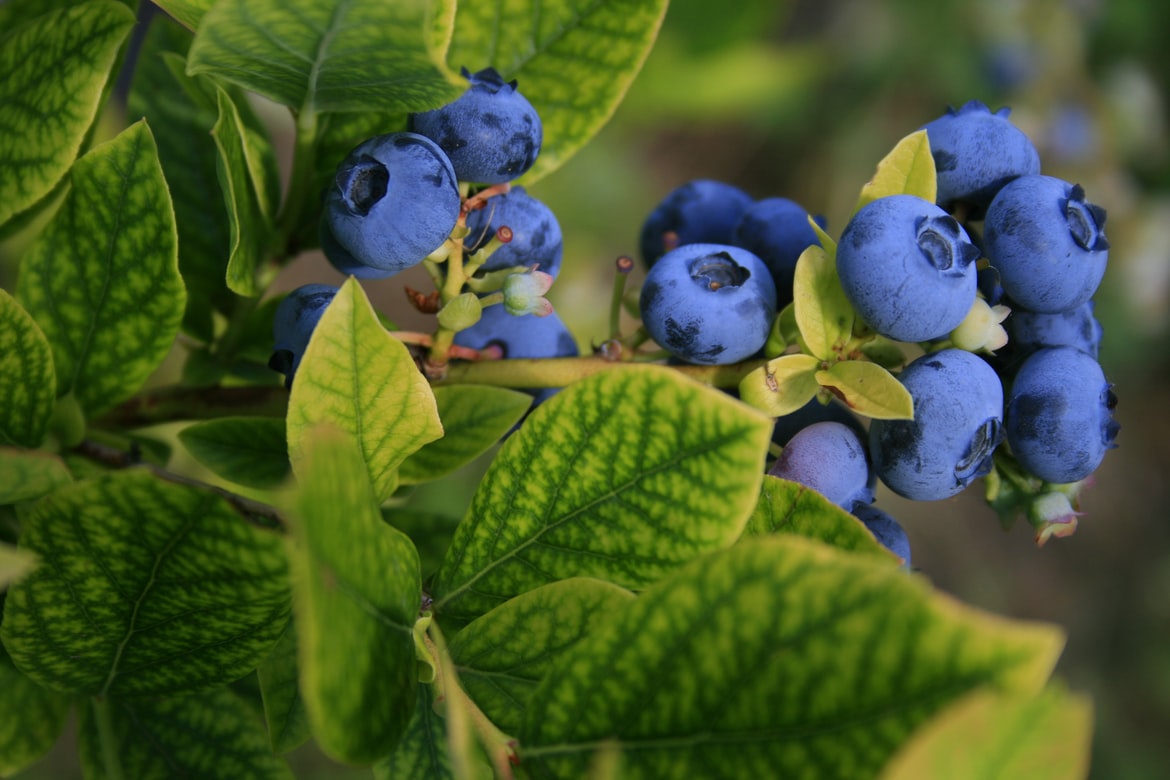
Wild blueberry growers in Maine are assessing the impact of late spring frosts following sharp temperature fluctuations that affected production areas across the state.
At Smithereen Farm in Pembroke, grower Severine von Tscharner Fleming inspected blueberry fields after a late May frost that followed an earlier period of warm weather. While flowers appeared to remain intact, the extent of damage will only become clear as developing fruit matures.
"We have learned to bide our time with these long cold springs," Fleming said.
Maine produces 99% of the United States' wild blueberries. The crop is grown in native barrens rather than planted fields and remains vulnerable to weather variability. According to the U.S. National Agricultural Statistics Service, growers generated US$38.7 million from a 57.5-million-pound crop in 2025, representing an 11% decline in value and a 36% decrease in production volume from the previous year.
The Wild Blueberry Commission of Maine estimated that weather-related events, including rainfall during pollination followed by heat and drought during harvest, resulted in losses of approximately US$28 million in 2025.
According to commission executive director Eric Venturini, frost damage this season varies considerably between locations.
"It is far too early to tell the extent of the spring damage," he said.
The most affected areas appear to be inland barrens in Washington and Hancock counties, which primarily supply the frozen berry market. Coastal growing areas have generally experienced less frost damage due to the moderating effect of the ocean on temperatures.
A University of Maine weather station in Aurora recorded a temperature swing of 69 degrees in late May, with temperatures reaching 90°F before dropping to 21°F two days later. According to University of Maine Cooperative Extension specialist Lily Calderwood, hard frost conditions caused some blueberry blossoms to collapse, preventing pollination.
Wild blueberries are grown on a two-year production cycle, meaning crop losses can affect multiple years of management and investment decisions.
Growers are also evaluating the role of irrigation in reducing climate-related risks. According to the Wild Blueberry Commission of Maine, approximately 65% of growers do not use irrigation systems. Irrigation can be used during frost events to create a protective ice layer around plants and can also help manage heat and drought conditions.
Lisa Hanscom of Welch Farm in Roque Bluffs said she is assessing damage across her 13-hectare blueberry operation after frost events followed a season affected by drought.
"Our plants were already in distress from drought," she said. "Not sure they can handle more."
The frost also affected other crops in parts of Washington County, including tomatoes, elderberries, peaches, and plums.
Source - https://www.freshplaza.com