Indonesia - KSP underlines potential for El Nino-linked crop failure in 2023

09.12.2022 799 views

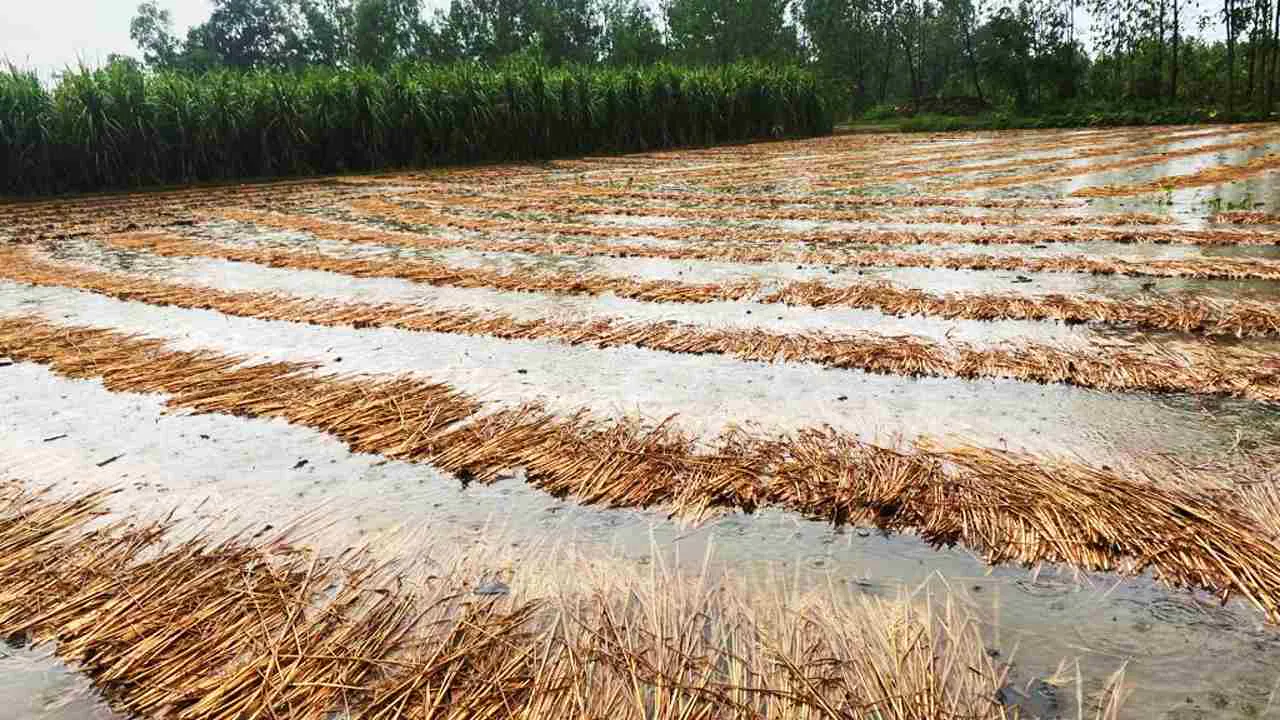
Chief of the Presidential Staff (KSP), Moeldoko, on Friday underlined the possibility of El Nino's return in 2023, which could trigger fires and crop failures.

"The risks can lead to fires and crop failures," he said while attending a cheap food bazaar at Pendopo Kepatihan in Ngawi, East Java.

For this reason, President Joko Widodo (Jokowi) has emphasized that Indonesian farmers need to plant crops that can strengthen national food security, he added.

Moeldoko also expressed support for efforts to popularize the consumption of sorghum as it can grow well in dry soil. That way, if the El Nino phenomenon occurs in 2023, sorghum can become an alternative source of food for Indonesians.

"I pioneered planting sorghum in Waingapu, East Nusa Tenggara. Sorghum is a crop that can be planted massively on marginal or dry soils. We have to look for this kind of alternative," he said.

He also took note of the threat of a food crisis, which will remain a global challenge in 2023.

Currently, he said, many countries have implemented restrictions on food exports that could have an impact on national food security.

"In that condition, we have the money, but we cannot buy food because we cannot import it," he explained.

He said that Indonesia's food security is still quite good due to the La Nina atmospheric phenomenon that triggers wet and rainy weather and benefits the agricultural sector.

Moreover, the government is seeking to promote food security through various strategies and policies.

In terms of financing, the government has provided smallholder business credit (KUR), which can be accessed by agricultural sector players at an interest rate of only three percent until the end of 2022, he informed.

The government has also increased the credit ceiling to Rp373.17 trillion (US$23.8 billion).

Source - https://en.antaranews.com

05.05.2026

Climate change: challenges and opportunities for crop insurance in Canada

The pandemic we have just come out of reminded us of the importance of maintaining robust food sovereignty in our country, provinces and cities. 

05.05.2026

Azerbaijan, Uzbekistan hold talks on agro-industrial collaboration

On May 5, Minister of Agriculture Majnun Mammadov met with a delegation from Uzbekistan led by Minister of Agriculture Ibrokhim Abdurakhmonov, who attended the 19th Azerbaijan International Agricultural Exhibition (Caspian Agro Week), to discuss bilateral cooperation in the agricultural sector, Trend reports.

05.05.2026

Philippines - P6.69-million crop damage logged in Albay due to Mayon unrest

Damage to crops from Mayon Volcano’s unrest has reached P6.69 million, with ashfall affecting several farmers in Albay, authorities said Tuesday.

05.05.2026

Cyprus - Farmers in Karpasia seek compensation for crop damage caused by wild donkeys

Losses reported in Rizokarpaso and nearby villages as donkey population grows and destroys farmland.

05.05.2026

USA - USDA Risk Management Agency Upgrades Rainfall Data Source

The U.S. Department of Agriculture’s (USDA) Risk Management Agency (RMA) is upgrading the source for rainfall data used in several Federal crop insurance programs, moving from the National Oceanic and Atmospheric Administration’s Climate Prediction Center (CPC) to the National Centers for Environmental Information (NCEI). 

05.05.2026

Asparagus losses in Norfolk County, Canada reach 98 percent after frost

Frost events in Canada recently caused crop damage in Norfolk County, with asparagus production heavily affected. At Dalton White Farms, losses reached up to 98 per cent of the field.

04.05.2026

Bulgaria's Kyustendil cherry crop severely affected by frost for second consecutive year

Frosts have caused critical damage to cherry orchards in the Kyustendil region of Bulgaria for the second consecutive spring, with producers reporting near-total crop losses. 

04.05.2026

Vietnam - MoF moves to expand farm insurance support and eligibility

The Ministry of Finance has proposed sharply increasing agricultural insurance premium subsidies to up to 95 per cent and widening the pool of eligible beneficiaries to better share risks with producers, stabilise farm incomes, and strengthen climate resilience.