Teagasc has teamed up with the Cork-based Tyndall National Institute and they are developing AI to monitor invasive insect species in Europe.
Groundbreaking research being conducted in Cork is aiming to protect future world food security.
Tyndall National Institute, in partnership with Teagasc, is conducting a collaborative research project to monitor and sustainably manage a highly invasive insect species that has caused extensive crop damage in Europe.
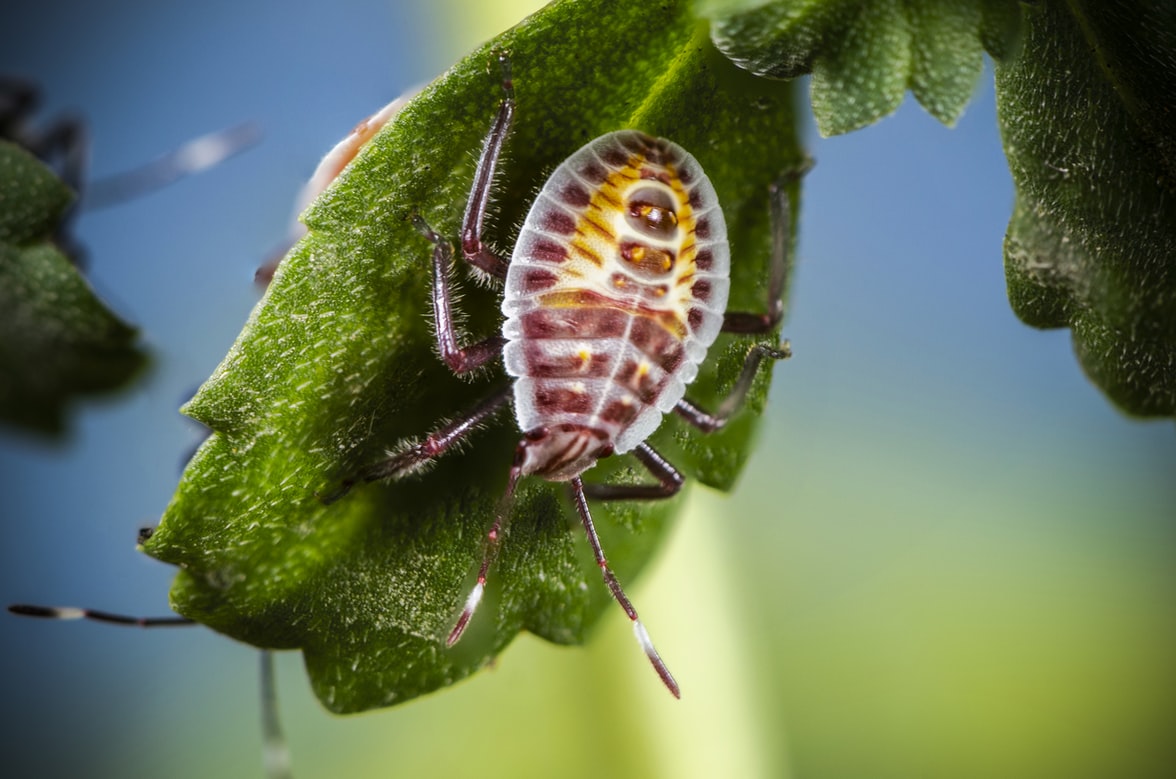
Scientists are looking at Halyomorpha halys (HH), a brown marmorated stink bug, native to East Asia, which has been detected in Europe with sporadic transient identifications in the UK since 2018.
This is a worrying development as the insect can cause malformed fruit when feeding, and potentially damage significant amounts of tree fruit crops, as well as some vegetable and arable crops. Brown marmorated stink bugs can also be an annoyance when they migrate into dwellings to hibernate, where they emit a foul odour.
The bug was first seen in Italy in 2012, resulting in significant economic losses within just two years. The invasive species has continued to spread northwards, with sightings of two adult male Halyomorpha halys in the UK in 2020.
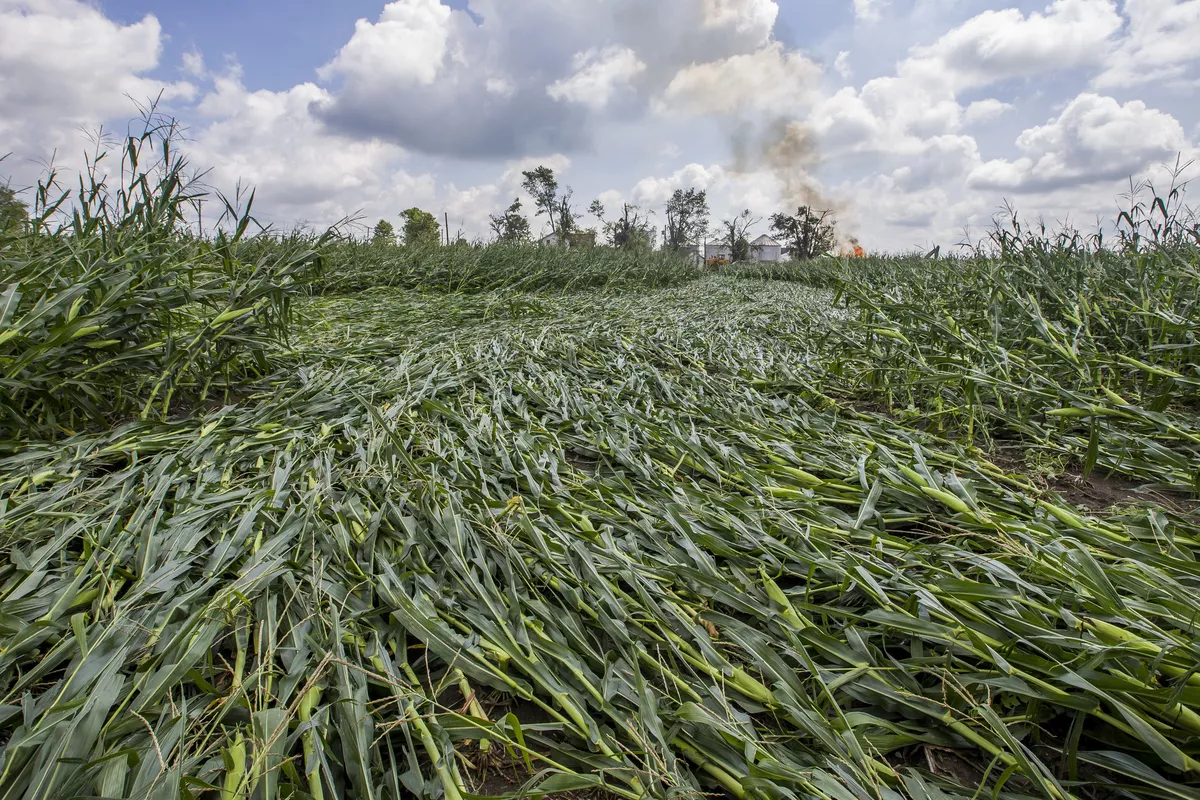
The arrival of this species in Europe is concerning, as huge amounts of crop production are already lost each year due to insect pests. Insect monitoring plays a crucial role in the mitigation of crop damage. Traditionally, farmers use pheromone-loaded sticky traps to monitor insect pest species, with these traps manually checked periodically, to estimate the type and quantity of the insect.
This is a time-consuming and labour intensive task, which often requires a high level of entomological expertise.
To combat this challenge, this project called the HALY.ID project is automating the insect monitoring process.
It is doing this using drone technology, image analysis, and a low-cost and low-power Microcontroller Unit (MCU) device that performs all data processing using Artificial Intelligence.
The system uses an algorithm to extract regions that the invasive insect is suspected to be, and then runs a lightweight Deep Learning on them for classification.
It is a low-power battery device used during growing seasons.
The images are taken at night to control light intensity and minimise other sources of illumination.
Brendan O’Flynn, head of group, Tyndall, a leading European deep-tech research centre, at UCC said: ‘As the world’s population grows, food security is becoming increasingly important. We are proud to collaborate with international partners to develop a smart sensing system, ensuring our European orchards continue to provide high-quality food produce. We are working alongside international experts in agriculture; Teagasc in Ireland, as well as European partners Imec, the Italian Universities in Perugia and Modena and the Technical University of Braunschweig in Germany, to develop impactful technologies.’
Michael Gaffney, entomologist and senior research officer, Teagasc added: ‘Developing technologies that automate the detection of harmful pests, reducing the time and labour input required, while also reducing the gap between monitoring events to a single day, will hopefully assist growers in detecting the pest early in the spring when the pest numbers are low, where crop protection interventions are most effective.’
This newly developed automated insect monitoring tool has already been deployed in an Italian Orchard in February.
Source - https://www.southernstar.ie