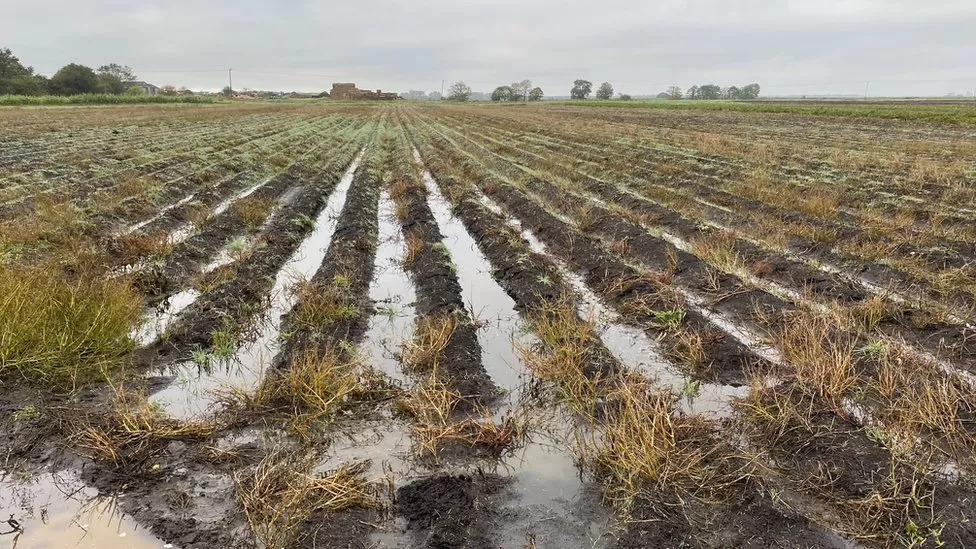
Farmers have to "watch, hope and pray" for a "sweet spot" of dry weather in the coming weeks or many will have to debate whether to plant at all this year.
As continuous rainfall adds to already saturated ground, many big and small potato farmers are warning that the Irish favourite variety of Rooster may be in scarce supply by June.
"We are still waiting to get planting. We should have some potatoes already planted for supply to Tayto," said Meath farmer Ivan Curran from his holding in Stamullen.
Mr Curran yields 11,000 tonnes of potatoes in a good year but last year was the worst year for rain he has seen in his 40 years in agriculture.
About 40 per cent of his crop are Roosters which go to supermarkets for sale, and 60 per cent are destined for the Tayto factory in nearby Curragha for crisps.
Roosters are the dominant potato variety in Irish supermarkets and shops, and account for 70 per cent of all potatoes sold in Ireland.
"It's been borderline up to now on the start of the planting season but there is no sign of any solid spell of dry weather on the horizon," Mr Curran said.
"There is a sweet spot in mid-April that we really need to be planting our main crops. After this, we would be sure of a loss of yield and by June, it would be debatable to plant at all this year, if nothing has been planted already.
"After June, you are sure to have losses and the dwindling daylight hours and impending cold temperatures would affect crop growth and add a risk of blight.
"It's not just in Ireland but the rainfall is affecting planting all over Europe. There will be Cyprus and Egyptian potatoes coming in but they will be expensive.
"I would say there will be a shortfall of Roosters by June or definitely by the Autumn. There will be Maris Pipers and potatoes maybe not as popular but it will be a case of take what you can get, I'd say.
"Already I've heard of the smaller shops buying the bags of Roosters from supermarkets because they are hard to get wholesale.
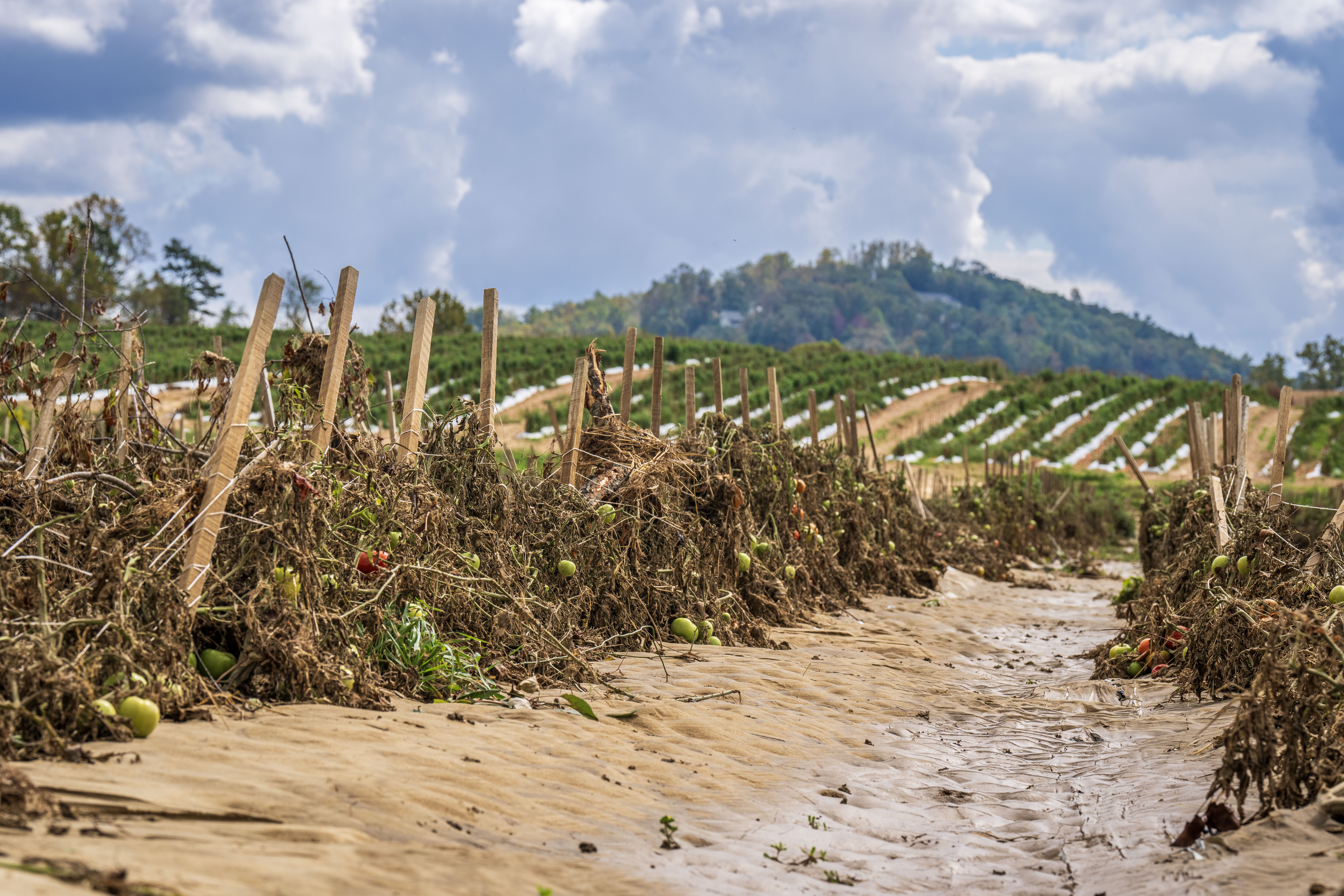
"I've 700 acres here but everything is just bogged. There is no chance of planting at the moment. We need a good week of dry weather before we even think about planting."
In Co Louth, Maria Flynn said all farmers are hoping for the easterly winds to blow.
"We are just watching, hoping and praying now. That's all we can do," said Ms Flynn, who grows Roosters and Kerr Pinks alongside her husband, David.
She also supplies many restaurants with her heirloom purple potatoes of Violetta, Pink Fir and Red Emmalie varieties on the family farm at Ballymakenny, outside Drogheda.
"There is just no sign of the east winds that we normally have in March. They dry the ground faster. The temperatures are increasing, but the rain just keeps falling.
"There will be late planting again this week which means later harvesting and that brings bad weather at the tail end. We still have ten acres of potatoes from last year that we couldn't get out of the ground because it is that wet.
"It will be touch and go for a lot of farmers in the coming weeks, especially if this rain doesn't stop."
As waterlogged farmers wonder if the weather will ever dry up, official figures confirm that 2011 to 2020 was the wettest decade on record in Ireland.
Comparisons of 30-year periods show 1991 to 2020 was 7 per cent wetter than 1961 to 1990.
Met Éireann climatologist Paul Moore said climate change is driving the recent wet spell, specifically in the North Atlantic which has now seen record sea temperatures consecutively for more than a year.
“That adds to a lot of warmth and moisture into the air over the Atlantic,” he told The Irish Times. “With our prevailing south-westerlies, there is a lot more moisture available under those circumstances. When low pressure is in control of our weather, we are getting more rain.”
Source - https://www.breakingnews.ie