The lotus plant (Nelumbo nucifera) was germinated from seeds that were 1,300 years old and had been recovered from a dry lakebed in northeastern China, causing the Chinese to regard it as a symbol of longevity.
Lotus plants, which have beautiful buds and flowers, are adapted to grow in the flood plains of slow-moving rivers and delta areas and drop hundreds of thousands of seeds every year to the bottom of the pond. While some sprout immediately and most are eaten by wildlife, the remaining seeds can remain dormant for an extensive period of time as the pond silts in and dries out. During flood conditions, sediments containing these seeds are broken open, and the dormant seeds rehydrate and begin a new lotus colony. Under favorable circumstances, the seeds of this aquatic perennial may remain viable for many years.
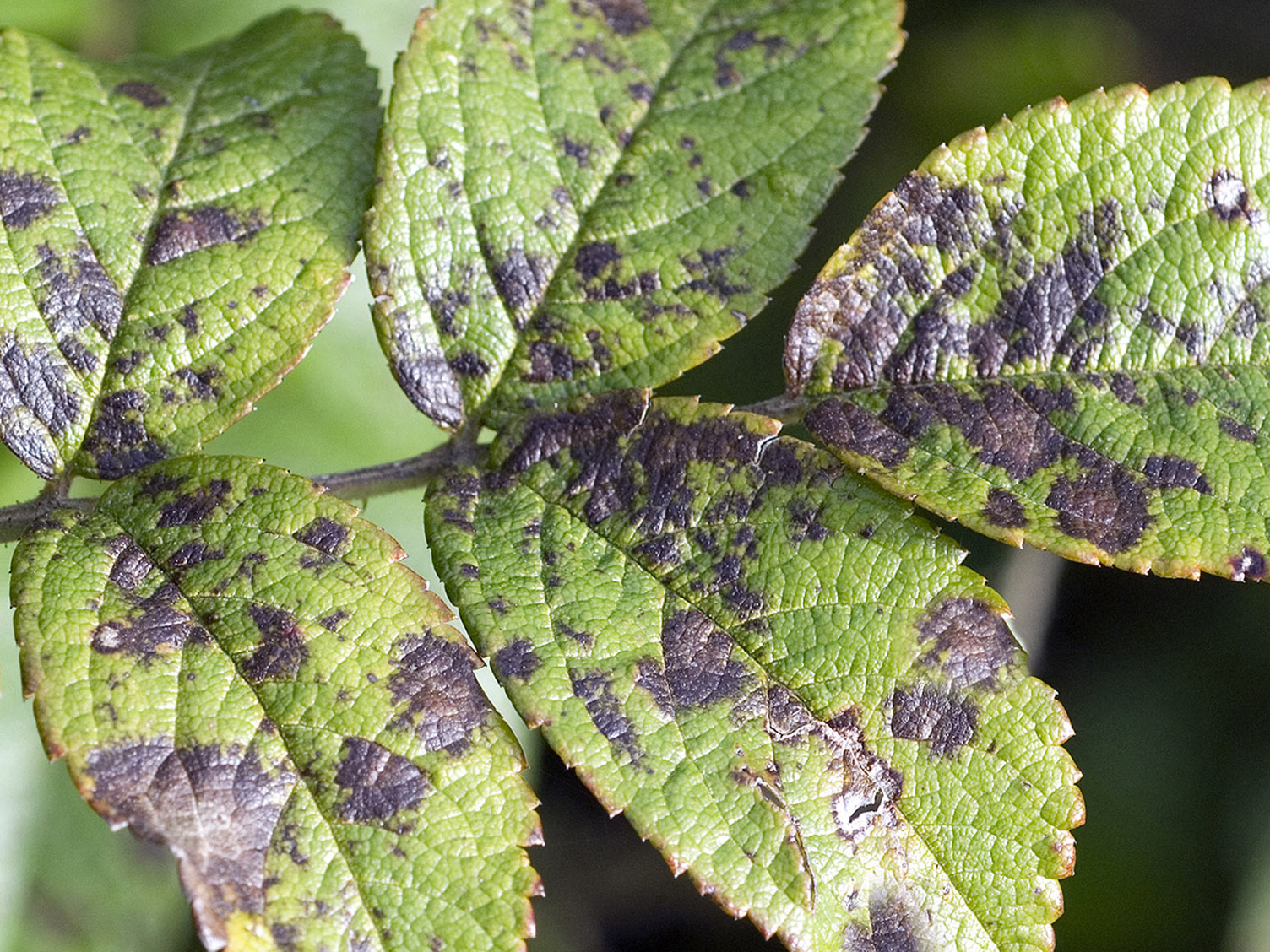
According to the UN Food and Agriculture Organization (FAO), fungal diseases are responsible for destroying a third of all food crops annually, causing immense economical loss and adding to global poverty. For example, powdery mildew is a serious fungal disease that is easily noticeable by patches of white powder found on leaves and attacks a wide range of plants. To treat these diseases, farmers are forced to use synthetic fungicides which are effective, but their extensive overuse and misuse have devastating impacts.
But now, Prof. Boaz Pokroy of the Faculty of Materials Science and Engineering and Prof. Ester Segal of the Faculty of Biotechnology and Food Engineering at the Technion- Israel Institute of Technology in Haifa have proposed an environmentally friendly alternative inspired by lotus plants for the exploration of which they received a European Innovation Council (EIC) Pathfinder grant of $1.5 million.
The EIC supports the exploration of bold ideas for radically new technologies, welcoming high-risk/high-reward and interdisciplinary cutting-edge science collaborations that are the basis for technological breakthroughs. From among 858 submissions evaluated this year, the EIC selected only 57 projects to be funded.
What is the EU planning to prohibit the use of?
The European Union is planning to prohibit the use of many fungicides due to their toxicity, leaving the grapevine and other crops defenseless unless an effective alternative is found. Europe is therefore eager for the Technion team’s experiments to succeed.
Some plants, like lotus and broccoli, naturally exhibit anti-adhesive wax crystals on their leaf surfaces. These crystals prevent pathogens from attaching to the plant, as the wax renders the plant inaccessible.
Learning from the crystals of the lotus and the broccoli, Pokroy and Segal created SafeWax, a non-toxic biodegradable formulation made from renewable materials that can be sprayed on any plant and has the same effect as natural plants’ wax. It can also be tuned to filter ultraviolet radiation, prevent sun damage and facilitate water collection from dew condensation – reducing the inevitable effects of climate change. With the worrisome effects of climate change, global population growth and the already existing global food insecurity, the importance of protecting food crops from disease cannot be understated.
Working in collaboration with colleagues from the Università di Bologna, the Institut Français de la Vigne et du Vin and BASF SE, the Technion experts intend to demonstrate SafeWax’s capabilities on the grapevine – a crop of high importance to Europe’s economy, environment, and culture that is highly susceptible to fungal diseases and is, for that reason, the most-frequently treated crop.
Source - https://www.jpost.com