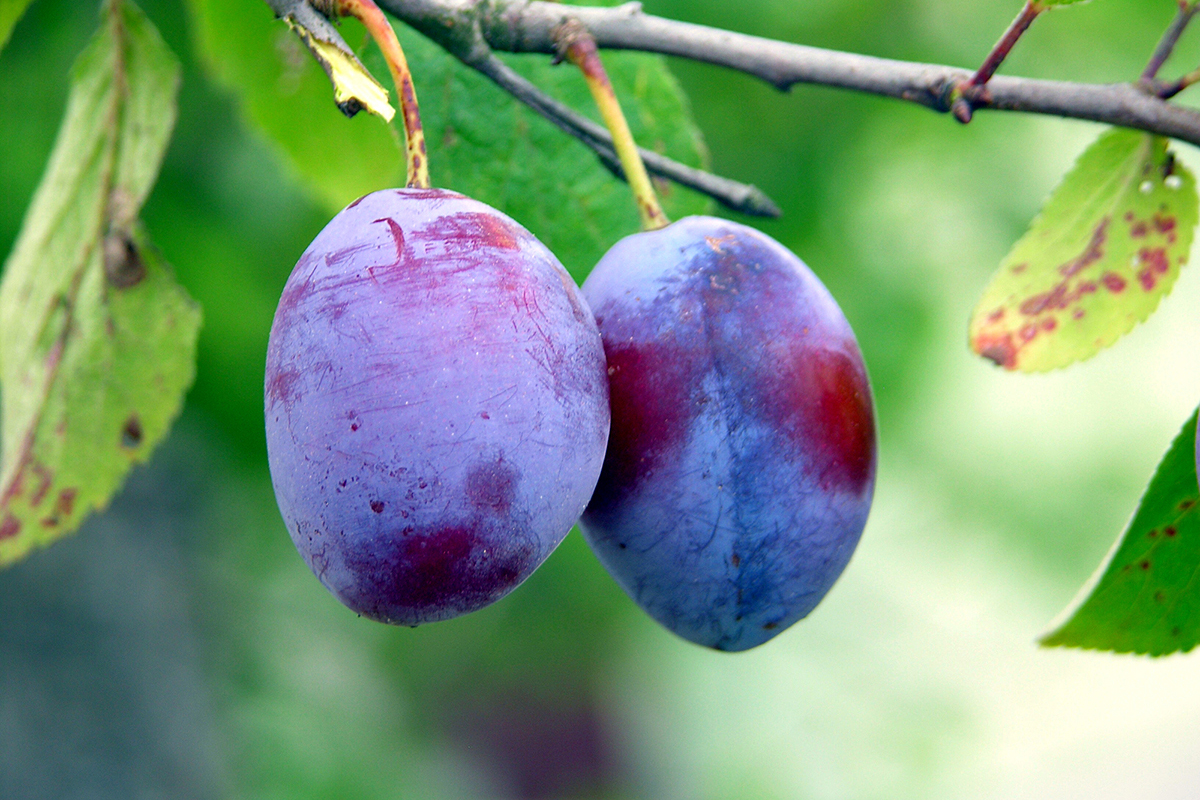
European plum buyers are facing tighter supplies and significantly higher prices after violent hailstorms, strong winds and extreme heat caused severe crop losses across several key production regions. In parts of Italy, growers report losing as much as 70–80% of their plum harvest, while some orchards were left with almost no marketable fruit, according to EastFruit, citing FruitVeb.
Hail devastates orchards in northern Italy
Powerful storms swept through Italy’s Emilia-Romagna region in July, severely affecting orchards in and around the province of Modena.The damage was not limited to the fruit itself. Hail and strong winds also affected trees, protective systems and farm infrastructure, creating additional operational challenges for producers. For some farms, the consequences are dramatic: crop losses reached 70–80%; several orchards lost almost their entire commercial harvest; damaged infrastructure may restrict harvesting and deliveries; regional plum supplies could remain limited for several weeks.The losses are particularly significant because Emilia-Romagna is one of Italy’s most important fruit-growing regions.
Heat reduces fruit size and shelf life
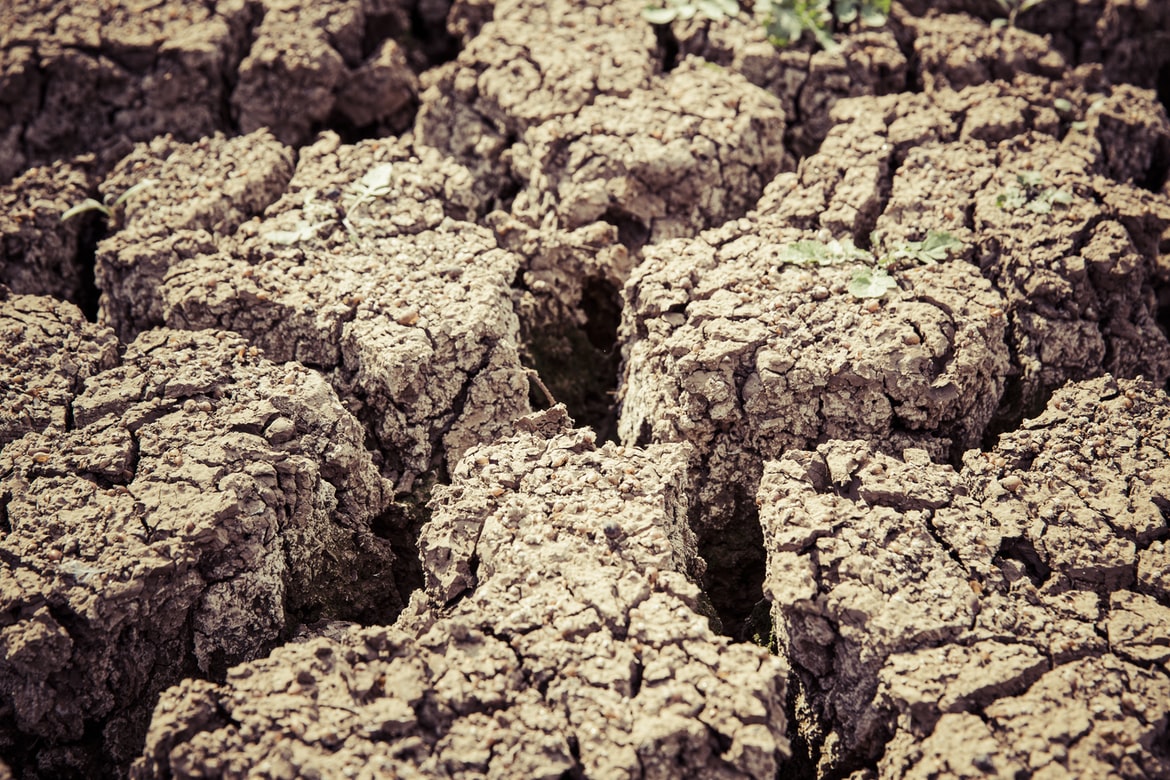
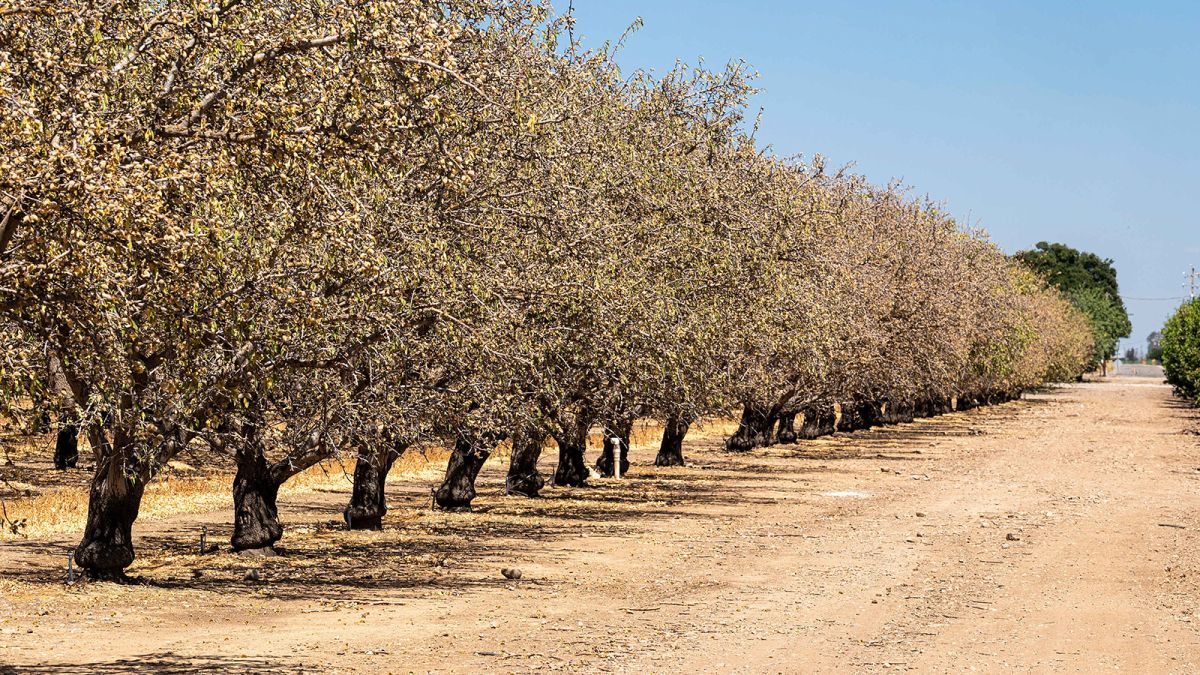
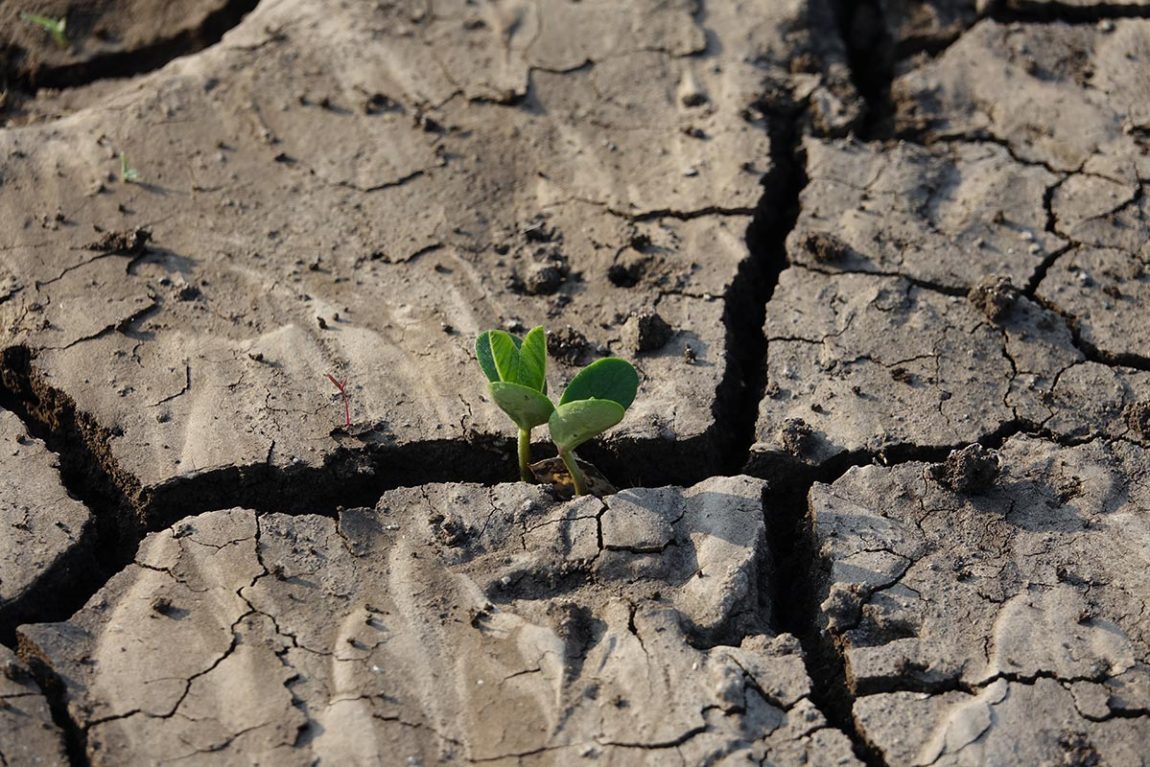
Southern European producers have also been struggling with prolonged heat and insufficient moisture.
High temperatures accelerated fruit development, shortened the ripening period and reduced plum size. The heat also affected overall quality and storage potential.
Similar problems have been reported in Belgium and southern Germany, where growers are seeing:
- smaller fruit;
- faster ripening;
- shorter storage periods;
- earlier-than-usual harvesting;
- reduced opportunities for long-distance exports.
Earlier harvesting may help producers avoid further losses in the orchard, but it also creates logistical pressure. Larger volumes must be picked, cooled, packed and sold within a much shorter period.
Quality plums are becoming harder to source
The combined impact of hail, heat and moisture stress is already being felt on wholesale markets across Western Europe. Buyers are finding it increasingly difficult to secure consistent volumes of high-quality plums. At the same time, exporters in countries with better harvests are benefiting from stronger demand and higher prices. In July, wholesale plum prices in Italy and Belgium were reportedly 20–30% higher than a year earlier. By mid-July, Italian wholesale prices had reached approximately: €2.40–€2.80 per kilogram.The market could face further price pressure if supply shortages continue during the remainder of the season.
“Despite the sharp reduction in supply, plum prices are not rising as quickly as might be expected. One of the main reasons is weaker consumer demand during periods of extreme heat. When temperatures remain very high, shoppers visit markets and retail stores less frequently, while fresh fruit loses its marketable appearance much faster. Retailers therefore become more cautious with orders, lower-quality batches are removed from sale, and the risk of waste increases. At the same time, the current season clearly shows how vulnerable the European fresh produce supply chain has become to extreme weather. For growers, investments in hail protection, efficient irrigation, rapid cooling and more climate-resilient varieties are becoming essential for maintaining both yield and commercial quality. Traders and retailers, meanwhile, need to diversify sourcing and adopt more flexible procurement strategies. In the coming weeks, the European plum market will remain highly sensitive to fruit quality, available volumes and any further weather-related disruptions,” says Kateryna Zvierieva,an international agribusiness analyst and head of the International EastFruit fruit and vegetable platform
Source - https://east-fruit.com