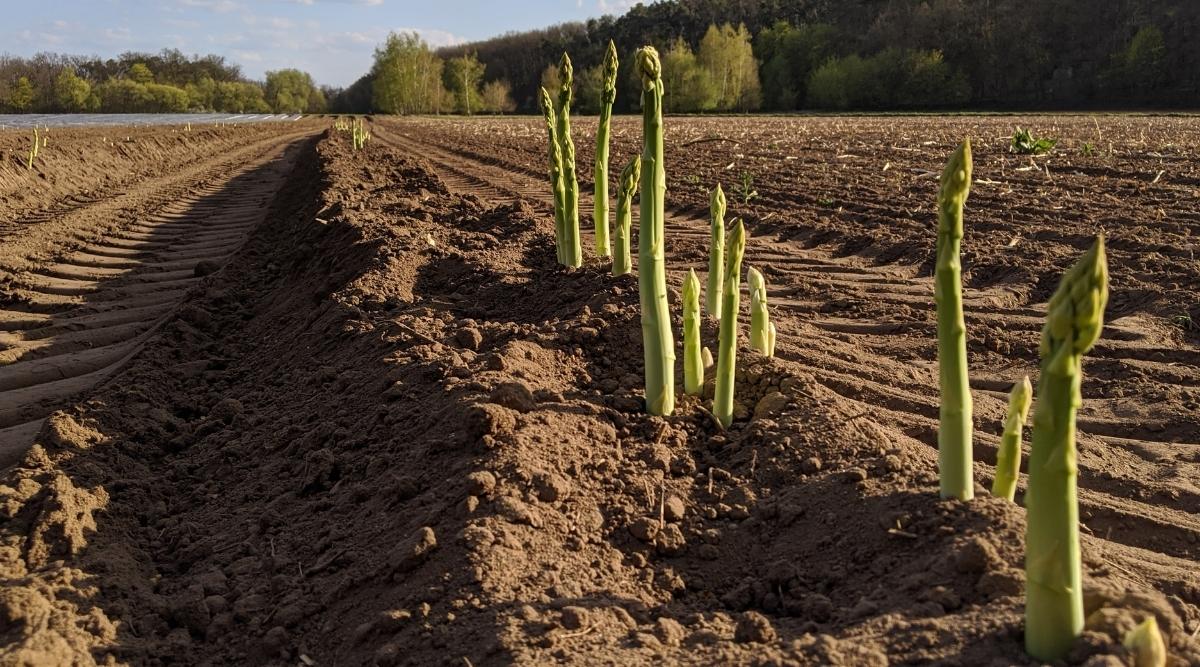
"During the 2023 campaign, we processed on average the same quantities as in the previous campaign, i.e. approximately 230 tons of asparagus, of which 60% was white and 40% green. In 2023, the average sales increased compared to 2022, in a context in which, however, the cost of production also increased, which led to a reduction in the profit margin. The 2024 production campaign will start late, because the incessant rains in December and January have stopped the preparation of the soil; therefore, there will be a concentration of production starting in March 2024", says Michele Baraldo, who, with his brothers Fabio and Andrea, owns the Agricola Baraldo company, located in the province of Padua, in Pernumia, an area at the foot of the Euganean Hills of volcanic origin, ideal for the production of asparagus and vegetables in general.
"It is always difficult to predict how a campaign will go for a product such as asparagus. This is especially true for the price, which tends to fluctuate, depending mainly on the weather and the Easter holidays, when the product is consumed the most. However, our customers, especially large-scale retailers, want to keep prices stable to avoid confusing the end user. However, we are hopeful. We produce a niche product that is only available for a limited time.”
"If the weather is favorable, the asparagus campaign for 2024 is expected to begin in early March and end in mid to late May. The production calendar is such that we will be starting the first transplants of courgettes in April so that we can start marketing them in June, and then we will finish in late October or at some other point when the temperatures drop enough to stop production. We will have a limited quantity of Delica squash available starting in September, and then we will go into the winter period to harvest and process our late red radicchio, of which the quantities are reduced compared to previous years, as the net revenue is always lower due to the costs involved in producing this crop, as well as the shortage of skilled and unskilled labor, for the reasons mentioned above."
In terms of packaging, the company is organized to meet the needs of its customers. The standard packaging is the carton tray with flowpack or the open bundle in 500-gram format for the domestic market, while the 5-kg bulk product is preferred for the foreign market.
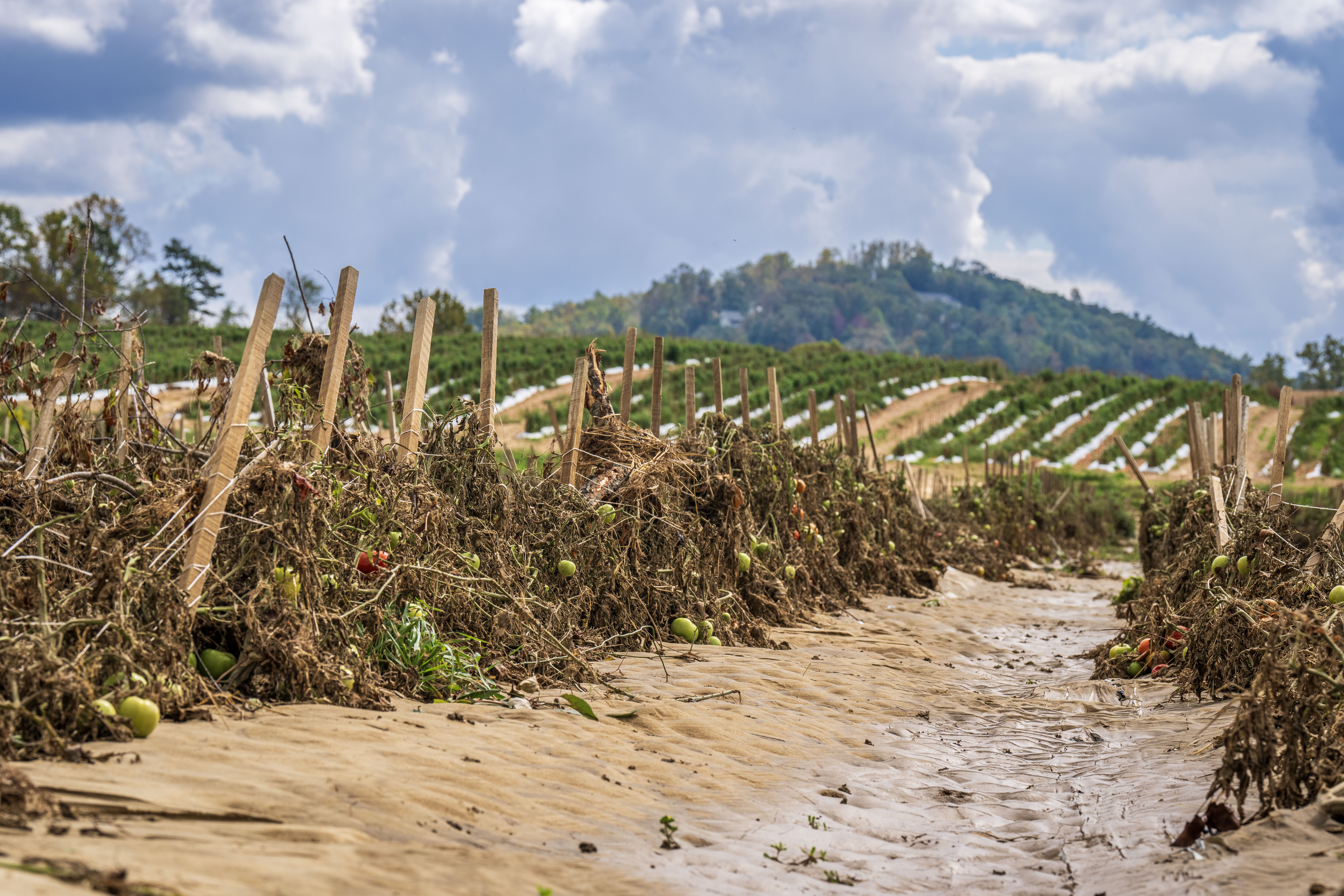
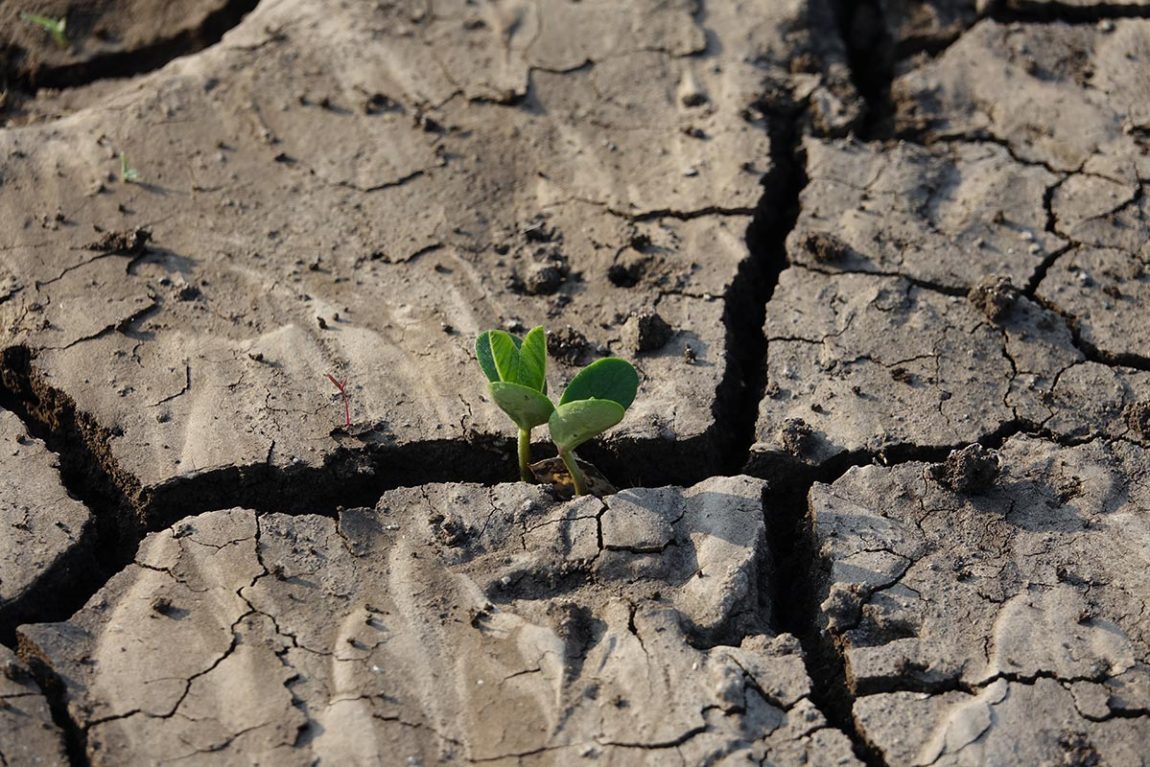
"As for the climate, the weather was worse in the pre-harvest season of 2022 than in 2023. In fact, the extreme drought had a significant impact on some of the costs in the fields and partly on the production, with the specific weight of the asparagus being lower than average due to the lack of humidity. It should be noted that asparagus is composed of 85-90% water. This year, the humidity had a greater impact on the health of the plants, as fungal infections were more widespread than last year. As required by the production regulations of the Veneto region, we grow vegetables under voluntary integrated pest management, so the tools at our disposal are fewer and fewer compared to the ever-increasing exposure of the plant to various diseases. The climate is in a state of flux, and if we, as growers, do not have more effective tools for the control of plant diseases, then production will be significantly affected."
Agricola Baraldo's main sales channel, for both white and green asparagus, is the domestic wholesale trade, followed by fruit and vegetable markets, especially in northern Italy, and restaurants. Exports are growing and account for 20% of sales, concentrated mainly in Germany and Switzerland, with a small part going to Asian countries, particularly Japan and Hong Kong. Direct sales also play an important role. In fact, the company's direct sales during the last campaign were significant, returning to pre-pandemic levels.
Source - https://www.freshplaza.com