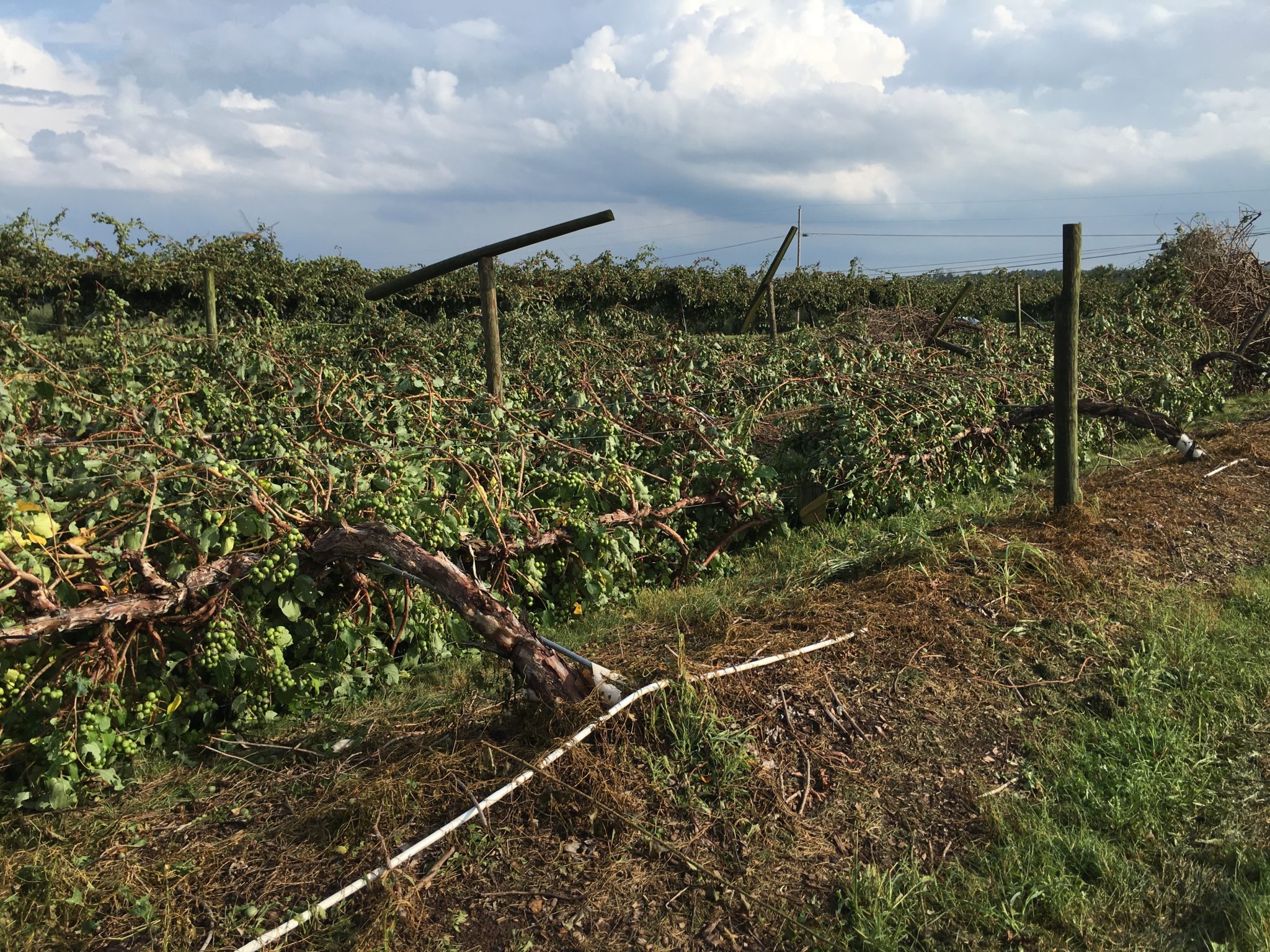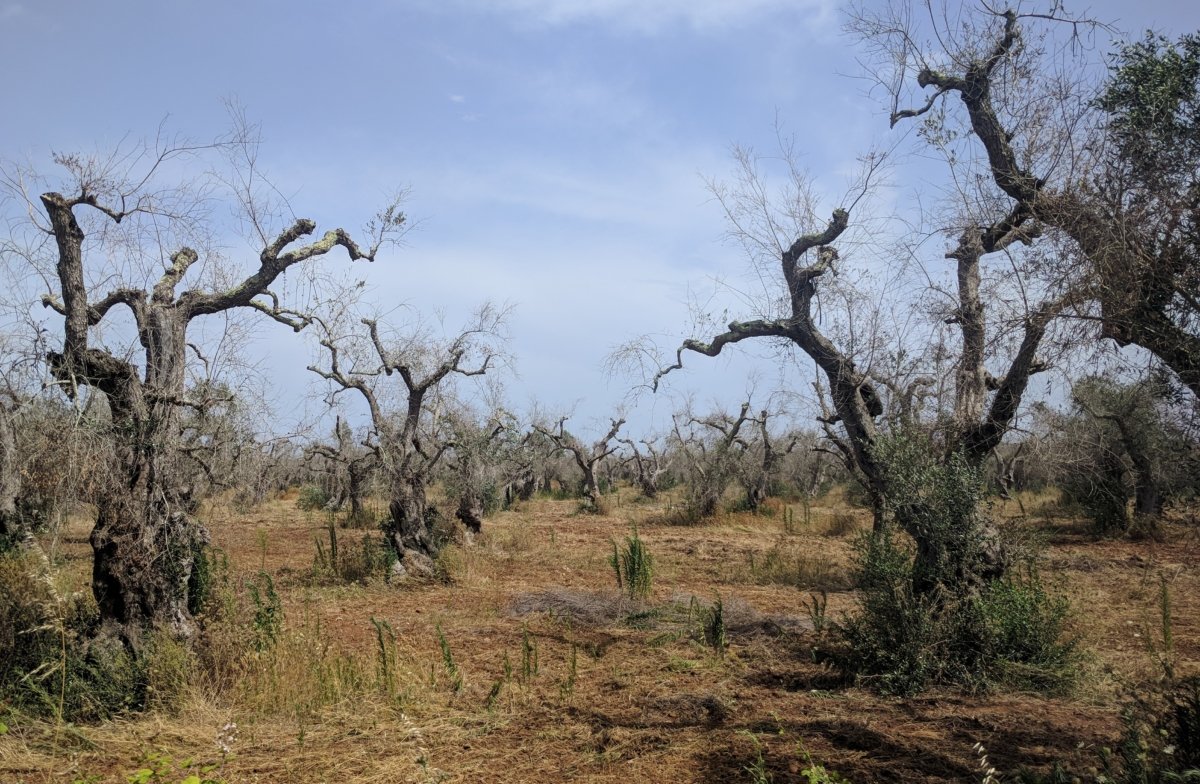
The recent discovery of a new strain of Xylella on 6 out of 18 sampled almond trees in Triggiano (Bari) is a cause of great concern among local operators and fruit growers. Apparently, this variant of the bacterium, called Xylella fastidiosa subspecies 'fastidiosa' (genotype ST-1), does not affect olive trees, but vineyards, almond and cherry orchards.
We asked Vittorio Filì, a Bari-based agronomist and phytopathologist and former preside nt of the Apulia Regional Association of Agricultural Technicians and Researchers (ARPTRA), for his opinion. "The extent and spread of this discovery (based on the extensive monitoring carried out by the regional government of Apulia) are not yet known, but all hope that it is a first and contained outbreak that will be eradicated in the immediate future on the basis of the measures provided for in Articles 7 to 11 of EU Reg. 2020/1201.
After more than 10 years since the outbreak that destroyed millions of olive trees in the Salento region because they were infected with Xylella fastidiosa subspecies 'pauca', the new concern is now growing with the variant that is dangerous for grapes and stone fruits. In Apulia alone, there are about 30,000 hectares of table grapes and more than 80,000 hectares of wine grapes, mainly in the provinces of Bari and Taranto. These are areas where the production is strongly based on cherry and almond trees. We need to understand what epidemiological risks could be associated with the new subspecies of Xylella fastidiosa 'fastidiosa', and therefore we need to understand what the researchers at the CNR in Bari, who have done a praiseworthy and useful work for the whole of Europe in recent years, are doing. We hope that the risk is small. At the moment, it is too early to make any assumptions. The extensive monitoring being carried out by the Apulian regional government will soon give us further indications and some clarification."
Xylella Fastidiosa is a bacterium transmitted by a vector insect called Philaenus spumarius (commonly known as the spittlebug) that colonizes the xylem system and clogs it, preventing raw sap from passing through. This leads to a slow drying out of parts of the plant, until the plant dies off completely.
The plants infected with the new subspecies are immediately cut down, and then an intensive surveillance is carried out in a radius of several kilometers around the place where they were found, in order to intercept any other infected trees.
"It will require," adds Filì, "the collaboration of farms to implement the Apulia Region's action plan against the spread of Xylella fastidiosa, which includes mandatory phytosanitary measures useful to reduce the population of the vector (Philaenus spumarius) of Xylella fastidiosa and superficial tillage (plowing, milling, harrowing and chopping) to control juvenile forms of the insect."
Source - https://www.freshplaza.com