Italy - The pear harvest in Italy was very poor this year

03.11.2023 898 views

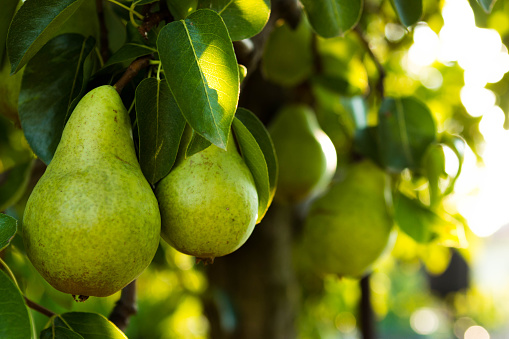
At the end of August/beginning of September, Cavalleri Ettore at Munich Wholesale Market usually receives the first pears from Italy, but local weather conditions caused significant failures. "The pear harvest in Italy was very poor this year, which is why we already purchase goods from Spain. We still receive about one to two pallets a week from Italy, for example of the Kaiser Alexander and Santa Maria varieties. However, we get other varieties such as Abate, Bartlett, red and green Williams from Spain," says Gianluca Rapalli.

Lack of quality produce
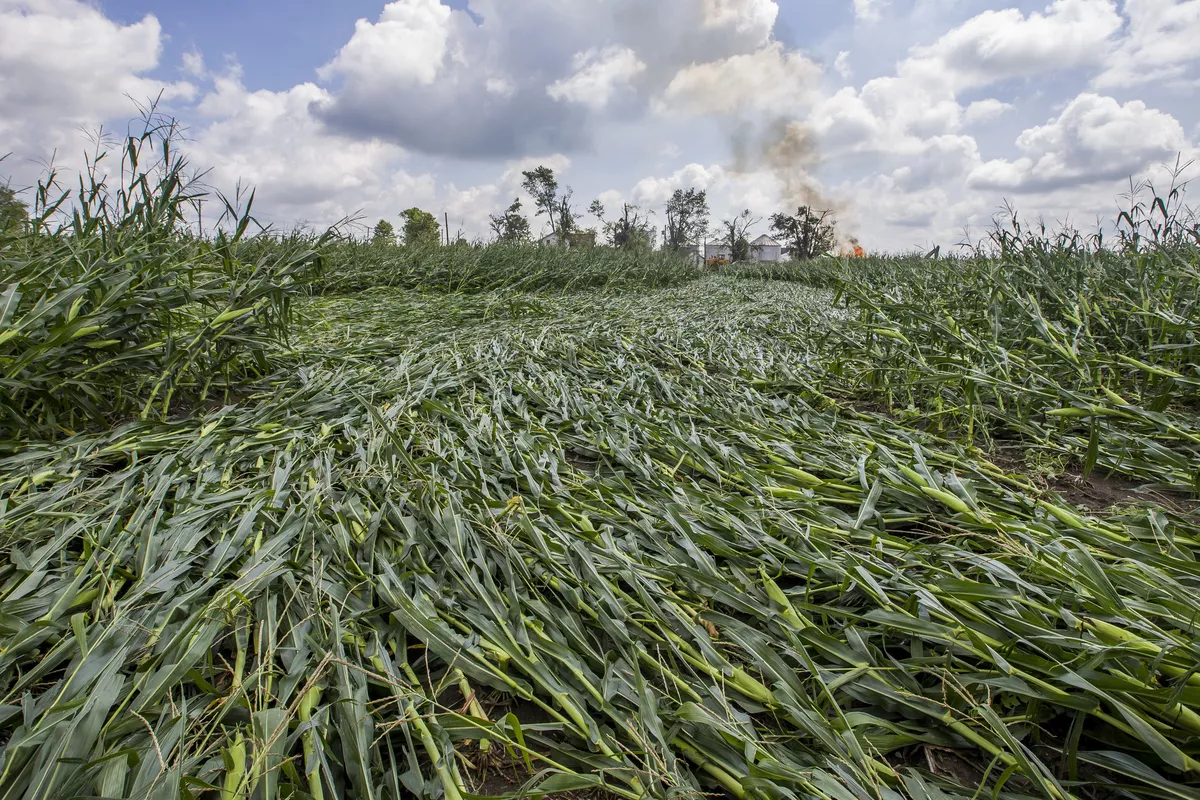
"The spring in Italy was so cold that the flowering in spring was affected. In summer, the heat on the one hand and the storm in July/August on the other hand caused a huge loss in the harvest. As a result, there were very few, if any, pears from Italy this year. The price level as well as the demand are quite high because there is a lack of qualitatively appealing goods," says Rapalli. However, there have also been challenges with the weather in Spain this year.

"Our supplier has announced that if the Italian and Spanish ones run out, he would source Conference pears from the Netherlands. What we have available every year are Decana pears, which we also receive via the Netherlands. But this variety also makes up only a small proportion of our range." The company sources overseas produce accordingly with the start of the season in spring.

Cautious mood
"We will continue to work with what is available to us. There are bad years, but there are also good years. Despite the crises, we will not turn our entire assortment upside down. In fact, we will add a few more products," says the wholesale trader. "The business year has been fine so far. But the crisis did make itself felt; after all, purchasing power is no longer as it was before the crises. But so far it has been good."

The mood at the wholesale market is relatively subdued at the moment. "On the day before All Saints' Day, it is extremely quiet at the wholesale market. You can't even tell which days are going well and which are not. In the past, Monday and Thursday were the strongest days. Now it's sometimes a Monday or a Tuesday, etc. But good days can no longer be stated with certainty."

Source - https://www.freshplaza.com

02.09.2026

Philippines - Bayambang declares state of calamity over P31-M agricultural losses

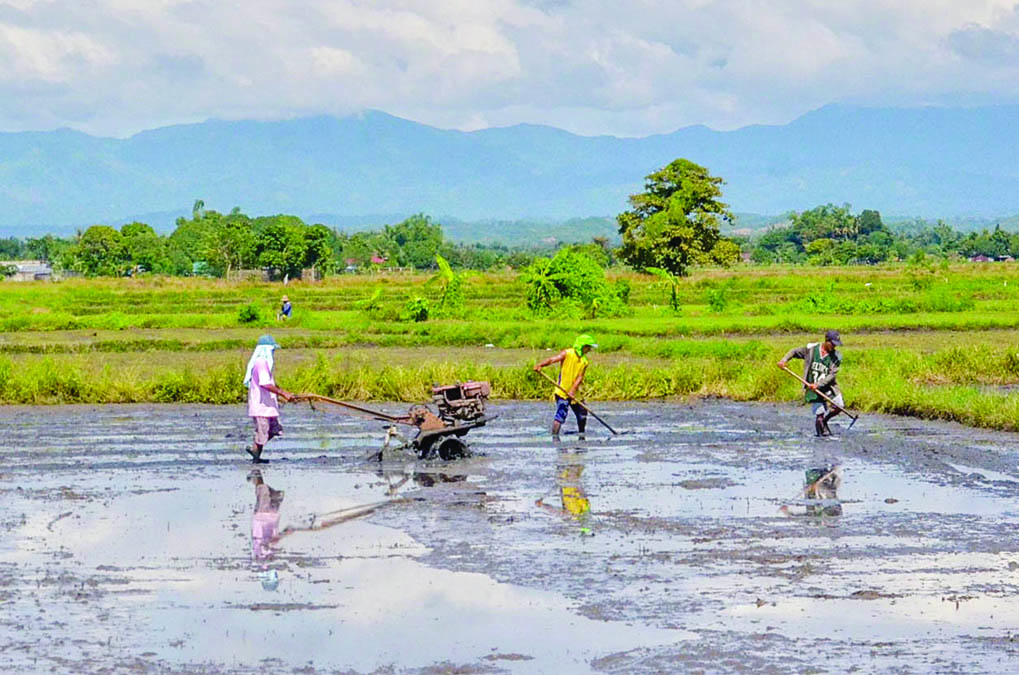
The municipal council of Bayambang has placed the town under a state of calamity after Tropical Storms “Luis” and “Maymay” and the enhanced southwest monsoon, or habagat, caused more than P31 million in agricultural losses.

02.09.2026

USA - Lynndyl farmers assess crop losses after 100 mph winds and hail

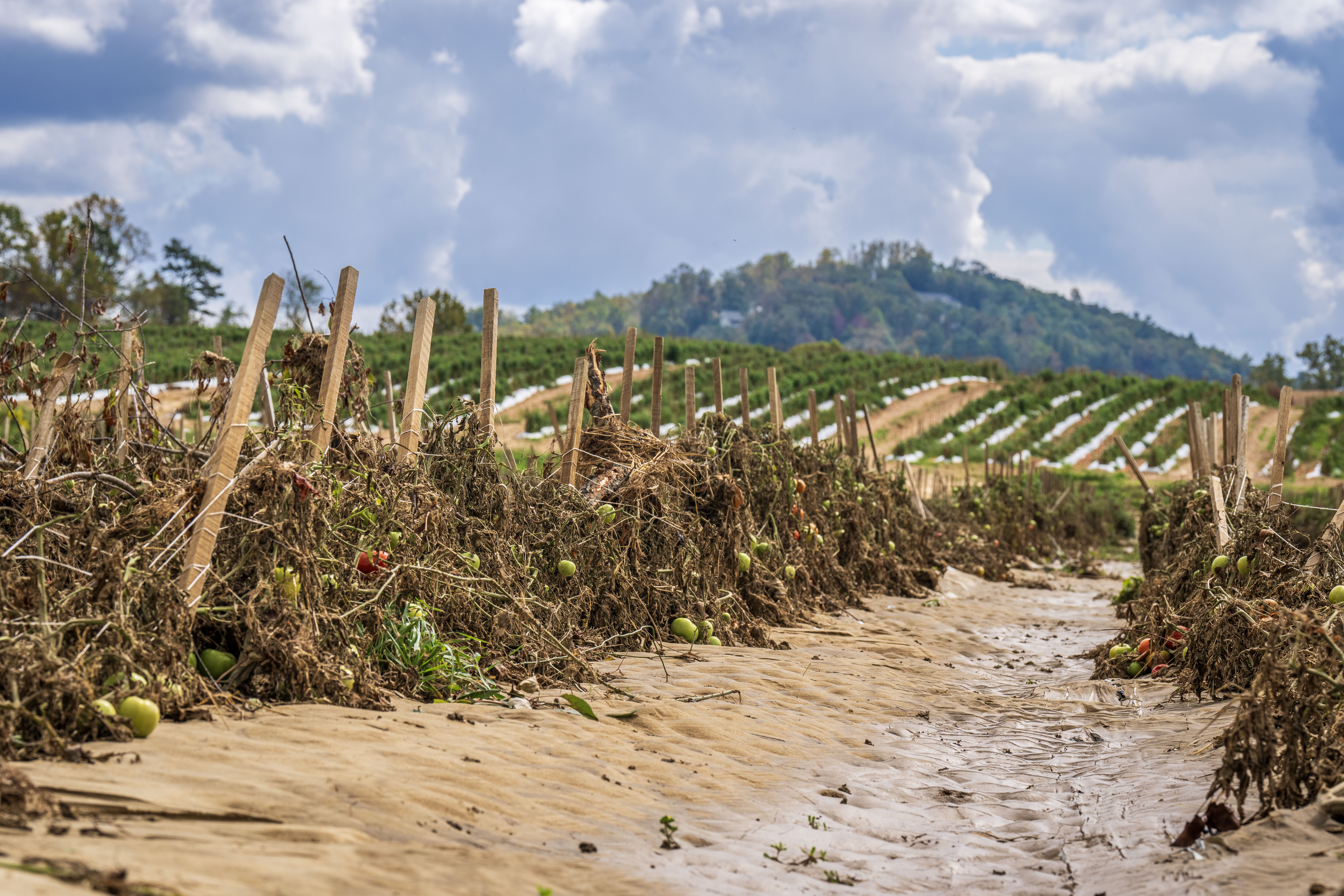
Farmers in and around Lynndyl are beginning to assess severe losses after a powerful weekend storm ripped through fields with destructive winds and hail just as some crops were nearing harvest.

02.09.2026

USA - New Insurance for Breeding Heifers

New LRP Coverage Aims to Reduce the Risk of Retaining Heifers for Breeding.

02.09.2026

Corn's $6 Surprise Could Change the Profit Math for U.S. Farmers

Corn may already be worth more than the board suggests as farm payments and incentives add about 52¢ per bushel to producer revenue.

02.09.2026

Philippines - Iloilo turns over P10M for farm, fishery insurance

The Iloilo provincial government has turned over P10 million to the state-owned Philippine Crop Insurance Corp. (PCIC) to expand insurance protection for farmers and fisherfolk vulnerable to losses from El Niño, La Niña, typhoons, pest infestations and other calamities.

02.09.2026

India - AP sees 1,263% rise in non-loanee crop insurance

The State witnessed a remarkable 1,263% jump in non-loanee farmer registrations, with their participation rising from 2 lakh in the previous Kharif season to 25.26 lakh farmers this year.

01.09.2026

South Africa - Grain SA calls for affordable crop insurance as dry weather threatens Swartland wheat

Severe rainfall shortages threatening the Swartland wheat crop have highlighted the need for government support to make crop insurance affordable for dryland producers.

01.09.2026

USA - Florida farms face nation’s highest disaster loss rate

Natural disasters destroy billions of dollars in U.S. agricultural production each year. From drought and wildfires in the West to hail in the Midwest and hurricanes in the Southeast, farms lose an average of $5.1 billion in crops and livestock annually, according to the Federal Emergency Management Agency.