"Selling prices aren't high enough to cover the cost of growing the oranges, and the situation is exacerbated by too many small oranges, which makes them even harder to sell. The situation is that sales are moving slowly. We are seeing a decrease in consumption, including organic fruit. In general, people are consuming less fruit, but growers' prices have remained the same all these years. However, it is in the wholesale market that prices are too high in relation to what goes back to the producer," says Francesco Ancona, technical manager of the Sicilian OP Agrinova Bio 2000.
The 55 members of the cooperative cultivate a total area of 616 hectares, of which 55 % are citrus fruits, 10 % open field and greenhouse vegetables, 10 % orchards (including nuts), 5 % tropical fruits (mainly avocados, which are on the rise because of climate change), 5 % olives, and the remaining 15 % herbaceous crops. The average plantation has 10 acres. They are often multi-functional farms, with agro-tourism and/or educational services on the farm.
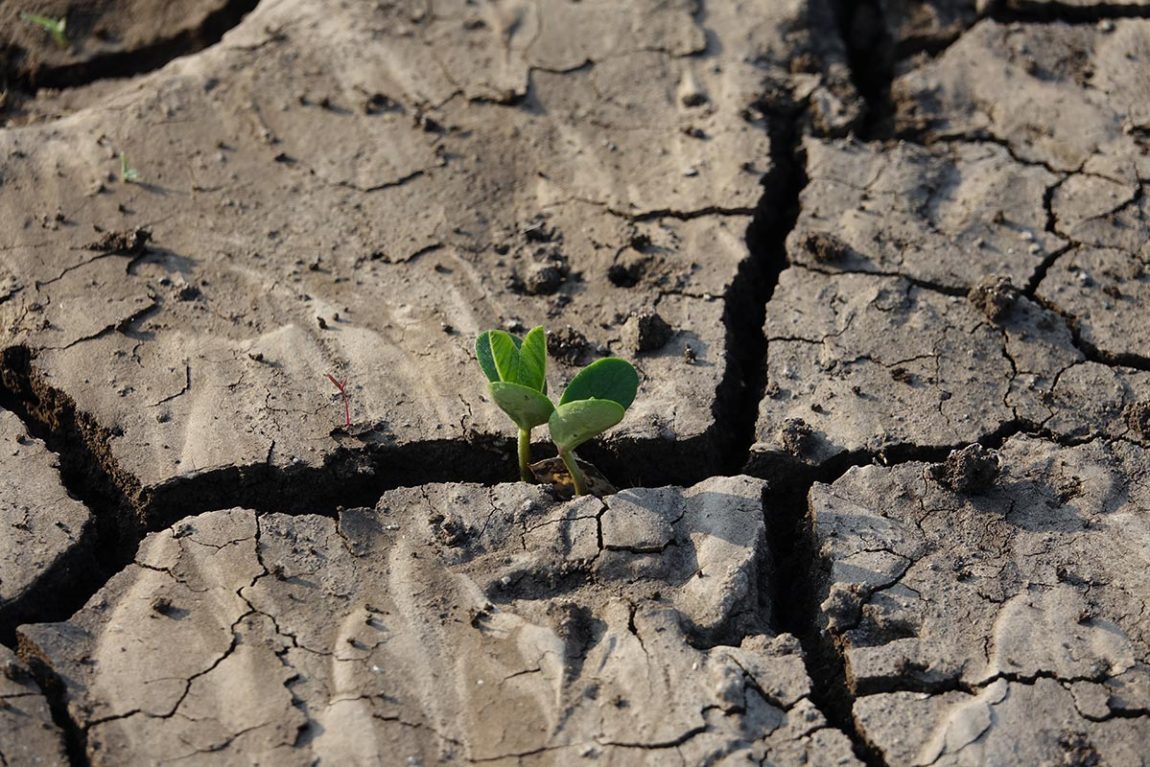
"Organic farms cannot break even on production and operating costs, which have risen sharply. The ongoing protests by farmers have also been a result of the increase in energy costs. In addition, there is a shortage of water resources in Sicily; there have been very few transfers of water supply from the reclamation consortia, and those with wells have had to increase water supply at the expense of electricity. Up to now, irrigation is taking place because of the drought, the reservoirs are dry, and the soil is dry. Soil samples taken from our farms show that the soil is completely dry to a depth of 20 centimeters - this is why Sicily has been declared a zone at risk of drought and desertification."
"After several positive years, organic products have experienced a decline in sales, even in the crucial German market," explains Francesco Ancona. "Despite this trend, the market is holding up. We are not growing as fast as in the good years, but it is sustainable because consumers are attracted by the lower prices, which are now on a par with conventional products. We want to retain consumers through R&D, including traceability systems. The goal is to expand the market for our growers and, together with the organic sector, to break the 'famine theory' according to which the world's growing population cannot be fed if food is grown in a sustainable way."
Agrinova Bio 2000's distribution channels are specialized shops, local supermarkets and GAS Gruppi di Acquisto Solidale (Ethical Purchasing Groups). Since 2004, the cooperative has had a stand at the market in Acireale, in the province of Catania, where organic products can be bought directly from the member growers on a weekly basis. Some of the citrus fruit is also supplied to school canteens, and for several years now, there has been an online shop for Italian consumers, with delivery within 48 hours of the order being placed.
With a turnover of over €4 million, the cooperative sells 49% of its volume in Italy. The rest is exported to Belgium (19% of the value of exports), the United Kingdom (29%), Germany (9%), Switzerland (15%), France (26%) and the remaining 2% to other countries (Poland, Luxembourg and Greece).
Source - https://www.freshplaza.com