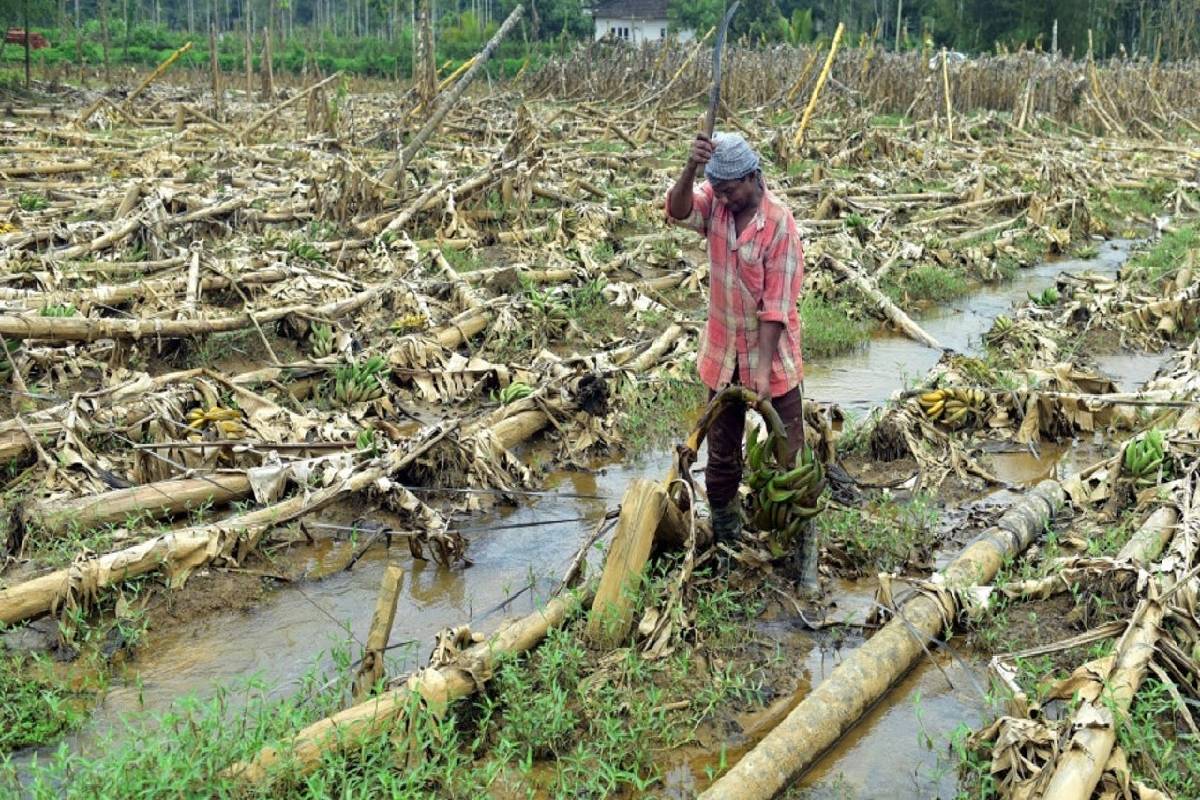
In a devastating blow to Kenya’s food security, relentless floods have wreaked havoc across the nation’s agricultural heartlands. The heavy rains have left a trail of destruction in their wake, submerging and rendering inaccessible vast tracts of farmland in key regions such as the Rift Valley, Nyanza, Coastal areas, and around Mount Kenya.
Farmers predict the cost of food is headed for the skies and will balloon in the coming months as a result of the wave of destruction and huge losses on investments.
So bad is the situation that in some irrigation schemes, infrastructures like dykes and water canals have been destroyed.
In Mount Kenya region, farmers are struggling to come to terms with the massive losses, barely weeks after some of the replanted seeds after they had fallen victim to fake fertilizers.
In Mwea Irrigation scheme, rice farms have disappeared under water.
The most affected areas of the scheme is Cumbiri, Thiba and Jambo villa where rice paddies have been destroyed.
According to Pius Njogu, a former Mwea rice mill Chairman, approximately 2,000 acres of rice plantation has been destroyed.
Njogu said the paddies were destroyed after River Thiba, which channels water for irrigation to the farms, burst its banks flowing into the plantations.
He said with each acre producing 15 bags of 90 kilogrammes of rice, the farmers concerned will literally have nothing to harvest.
“The area has lost more than 30,000 bags of paddy rice, we will produce little tonnage compared to what we have been producing,” he said.
Munene Kabibu, an affected farmer, said they are yet to cost the losses.
“We are calling on the government to help us get back on our feet since the losses are massive, some of us might not afford to plant again.”
In Central Imenti, Nkunjumo in Makandune location, Kaarii, Mpindi, Manthi, Karegeria and Chuura, Kathwene the scenario repeats itself.
“The farmers are suffering as large areas of farmland have been flooded,” said Kiagu MCA Kiambi Ngaruni.
“Our area is known for green grams, beans, maize and other crops,” Ngaruni said
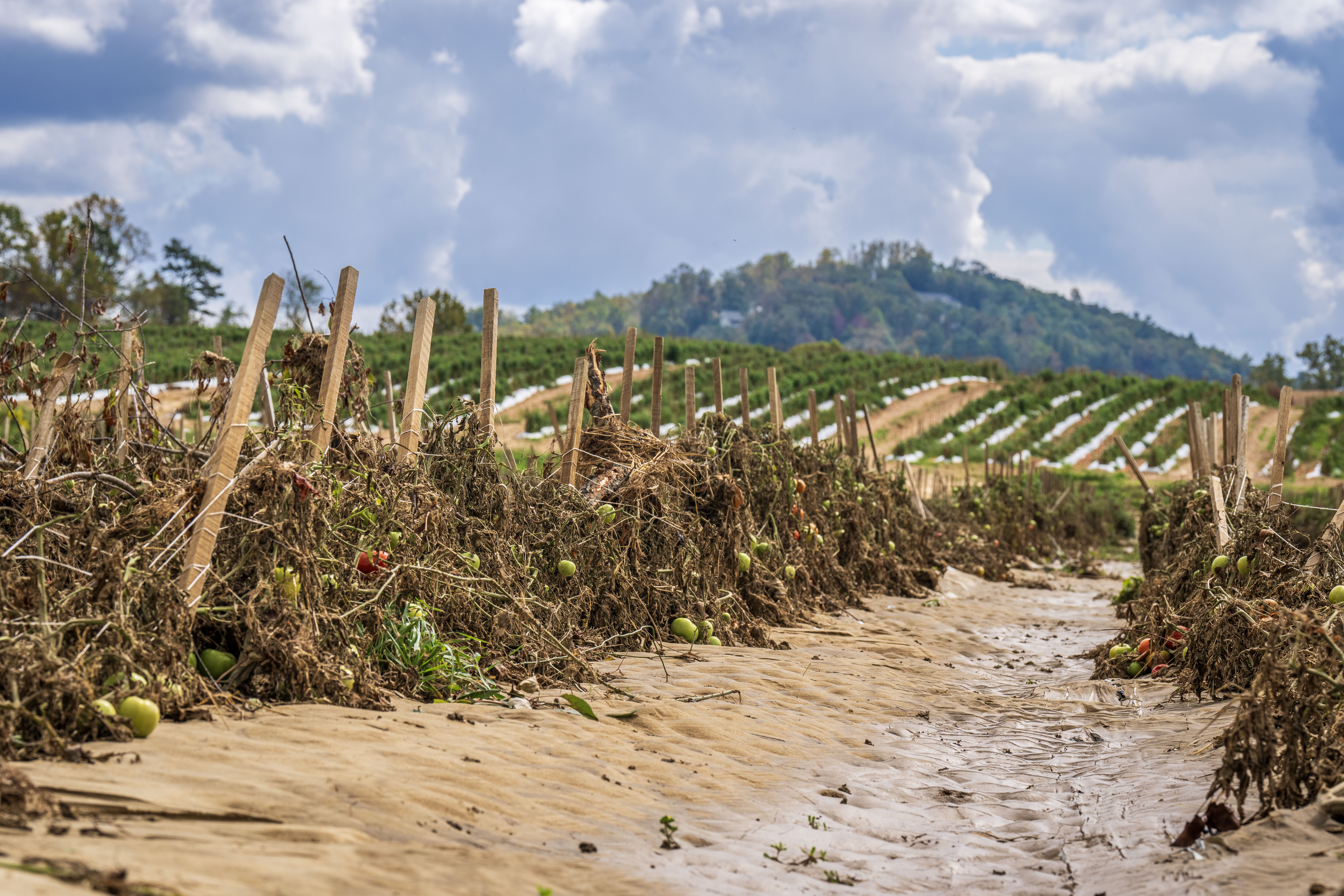
At Kianjai in Tigania West Josephine Kawira said her tomato farm was destroyed by the waters.
“We use irrigation because we get higher prices for the tomatoes. My tomatoes worth about Sh80,000 were destroyed by elephants last year and this year it is the floods that have caused me losses,” said Kawira.
In tea zones, several farmers in Gatanga, Kigumo and Kangema have been affected.
“This year some tea growers will deliver reduced production,” said Francis Macharia, a farmer in Tuthu village.
In the Rift Valley, farmers are also counting heavy losses as a result of the floods with Perkerra Irrigation scheme, among the most affected.
The Perkerra irrigation system, considered the region’s granary, was severely damaged after the Molo, Perkerra and Weseges rivers burst their banks.
Hundreds of hectares of maize crops planted by contract farmers under the Kenya Seed Company programme have been wiped out.
The waters not only destroyed crops, but also flooded the water intake infrastructure at the facility. Farmers, many of whom took out loans for the project, now face an uncertain future. Potato farmers in Nyandarua are staring at near total crop failure due to the rains.
Kinangop North Assistant County Commissioner Marcarius Minyori said nearly all the farms in the region had been affected by the heavy rains.
“There are fears of a major shortage in the coming days as farmers will not harvest anything,” he said.
A director with Midland Vegetable Processing plant, Matheri Hungu, said potatoes in the field had gone to waste due to water logged farms.
Nyandarua Potato Farmers Association Chairman Wilfred Kimaru said that the farmers have lost over Sh20 million worth of the produce in the last one month.
“This has been the worst month this year. All the investment by our members has been destroyed by the rains. We have lost farm produce to a tune of over 20 million,” he said.
Similarly, in Trans Nzoia County, one of the country’s breadbasket, farmers are in similar problems.
“The rains have been relentless and have washed away the fertilizer we applied, leaving our crops malnourished. The heavy downpours not only leached away vital nutrients but also rendered weed control difficult,” said Fredrick Rono, a farmer in Kiminini constituency.
In Saboti, Paul Nzamba said they might be forced to apply more fertiliser if they are to achieve good yields.
“Leaching is immense. We will have to top-dress again, significantly increasing production costs,” Nzamba said.
Tom Nyagechanga, the Kenya National Farmers Federation (Kenaff) commodity representative Trans Nzoia branch said the rains will prevent most farmers from top dressing hence affecting crop development.
“It is our prayer that rains subside to enable farmers apply top dressing fertiliser on time. Small scale maize farmers have been adversely affected,” said Nyagechanga.
Joseph Sang, a farmer from Chepkanga in Uasin Gishu County attributed good maize seed germination to the ongoing rains.
In Nandi, agricultural activities have been affected adversely.
For about two months, heavy rains have affected both maize and tea subsectors. Maize farmers have been prompted to wait longer before top dressing, while weed control has remained a challenge.
Paul Kerich, a farmer in Mosop claimed he planted his crops at the onset of rains and he fears that the fertilizers would not be effective owing to floods.
Floods have also wreaked havoc in the Coast’s traditional breadbasket of Kilifi, Tana River, and Taita Taveta, destroying thousands of acres of farms under maize, cassava, and beans production.
Although the Coast has not experienced rains in the recent past, rivers in Tana River, Kilifi, and Tana River have swelled and burst their banks due to heavy downpours in the upstream. Malindi Deputy County Commissioner Ms Irene Munyoki said agricultural assets, like irrigation equipment, have been damaged, a situation likely to affect crop survival and food production.
“The losses are huge. The most affected crops are maize, okra, pigweed, cassava, coconut trees, and tomatoes are underwater,” said Ms Munyoki in a phone interview.
She said irrigation schemes in Garashi, Lukole, Katsangani, Paziani, Goshi, Mongotini, and Madunguni have been destroyed by the flooding, sparking fears food crisis in these areas.
“More than 10,000 acres of crops have been destroyed after River Sabaki burst its banks flooding large areas of farmland and washing away crops,” said the national government administrator.
In Nyanza, Ahero and West Kano Irrigation schemes have been submerged as a result of heavy rains.
The situation at Ahero was worsened after River Nyando broke its banks last weekend, while West Kano is grappling with backflow of the lake.
Consequently, farmers said they have lost all the crops they had planted while those who were also preparing to harvest have also lost all their investments.
Authorities estimated the loss on rice farmers alone at West Kano Irrigation scheme alone at Sh50 million.
In Migori County, Winnie Malemba, chief for Nyandago Central in Nyatike said all farms in her area were affected by the floods.
Source - https://www.standardmedia.co.ke