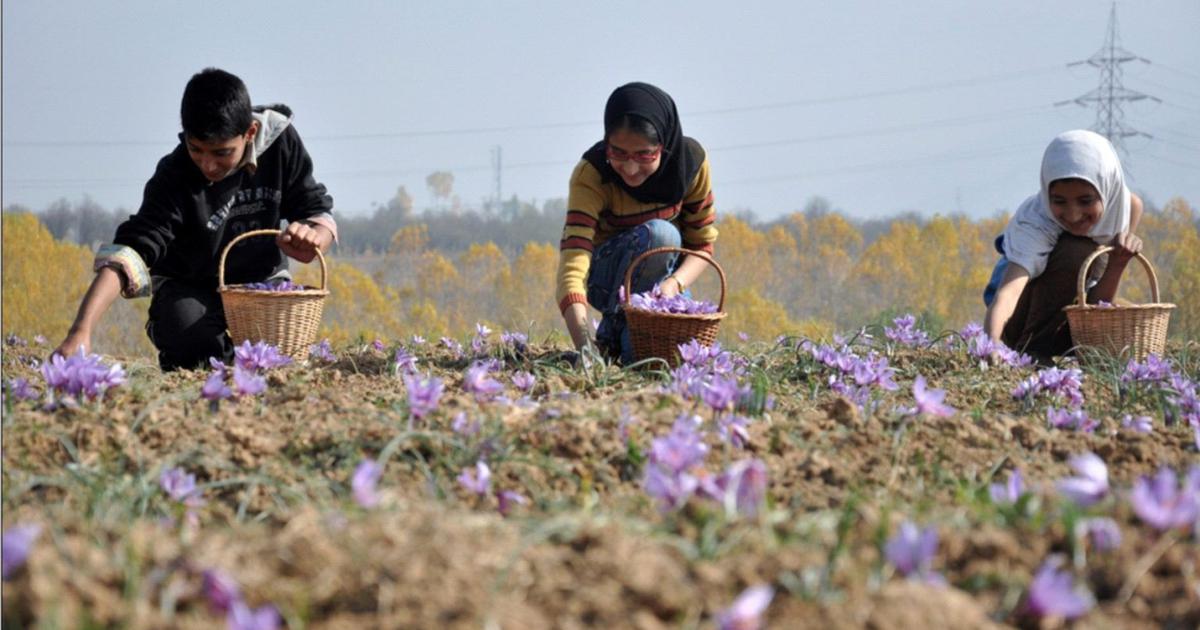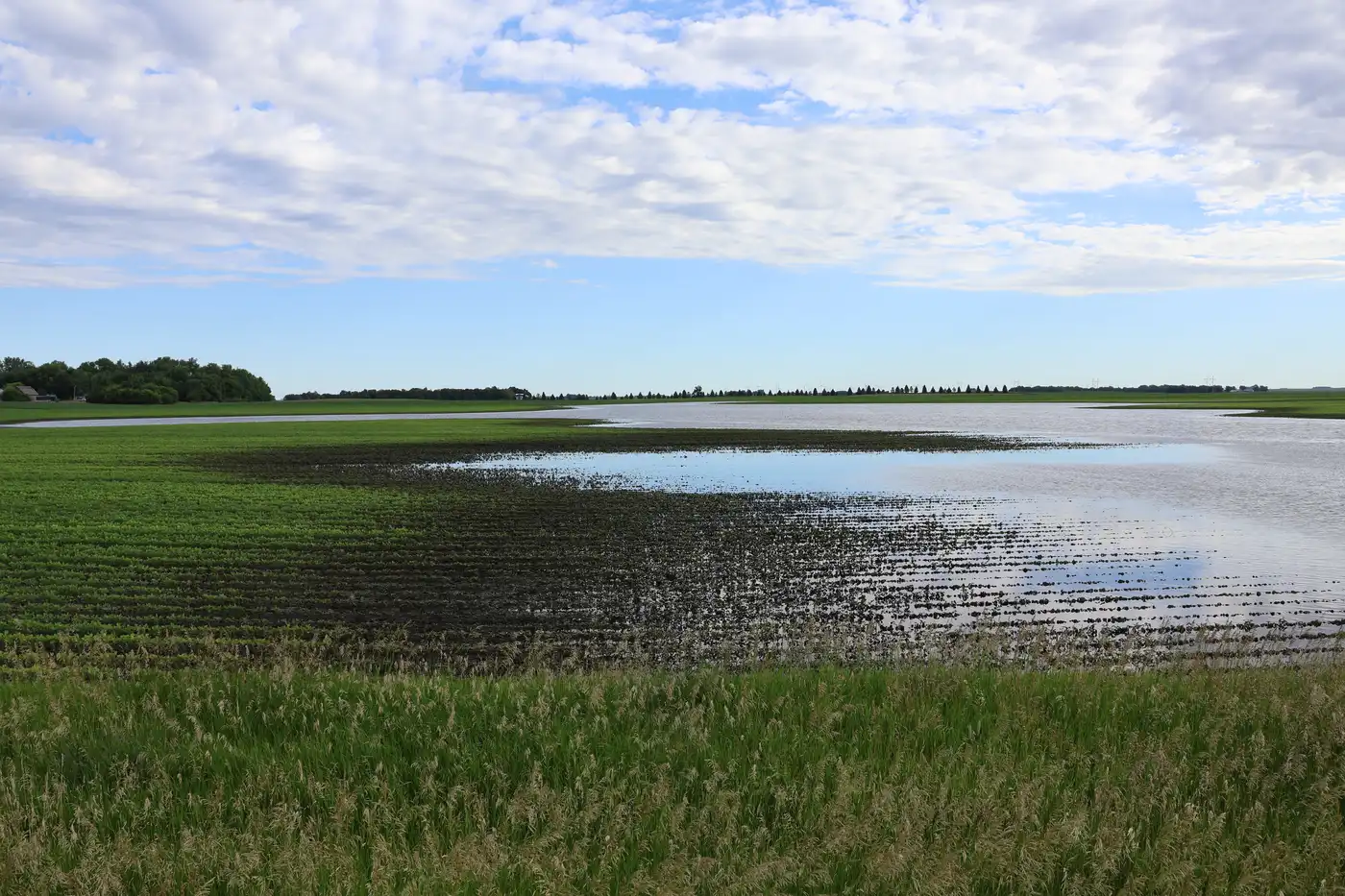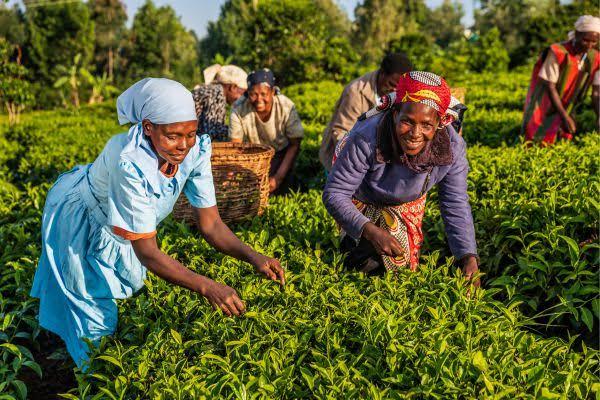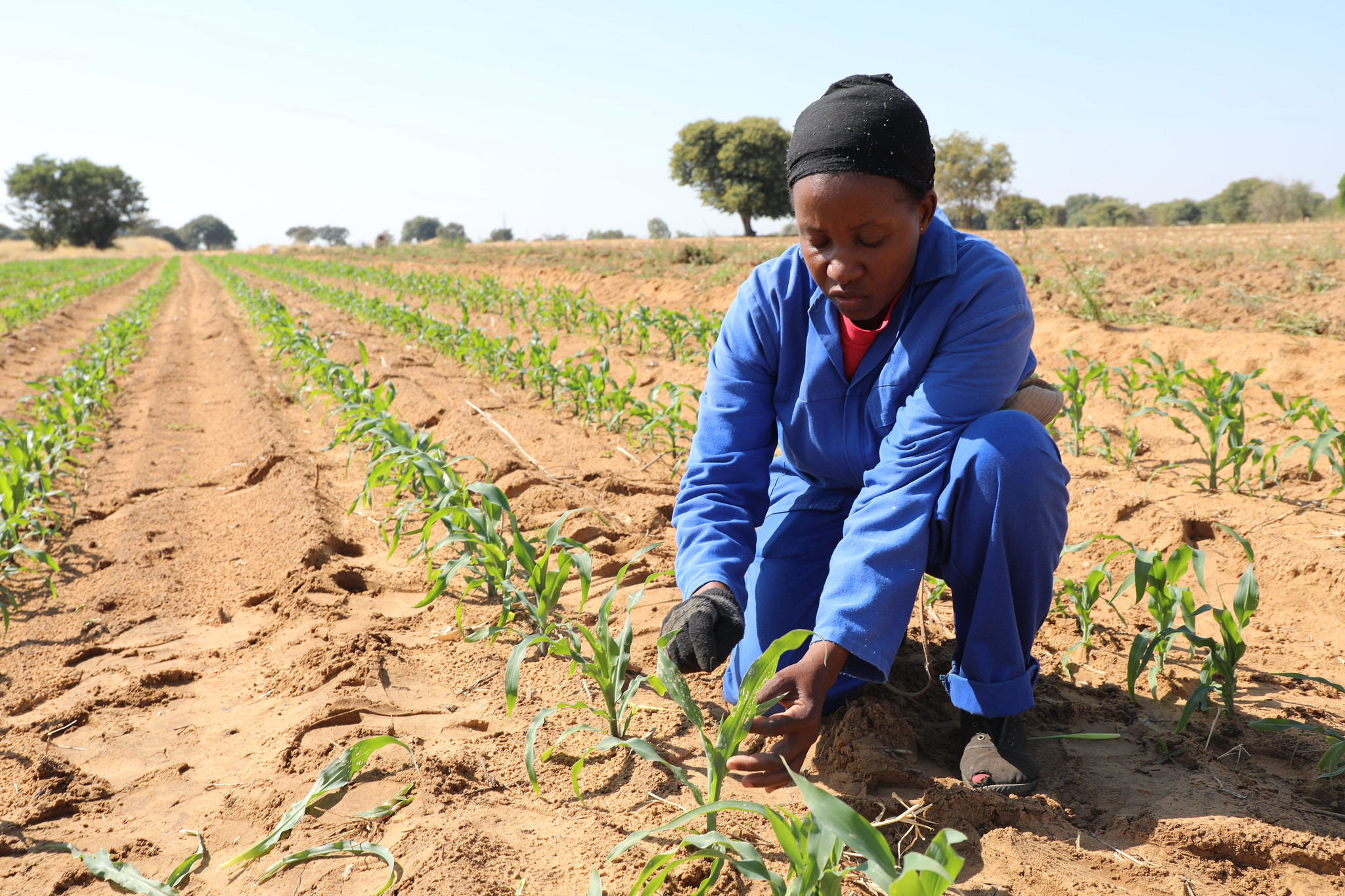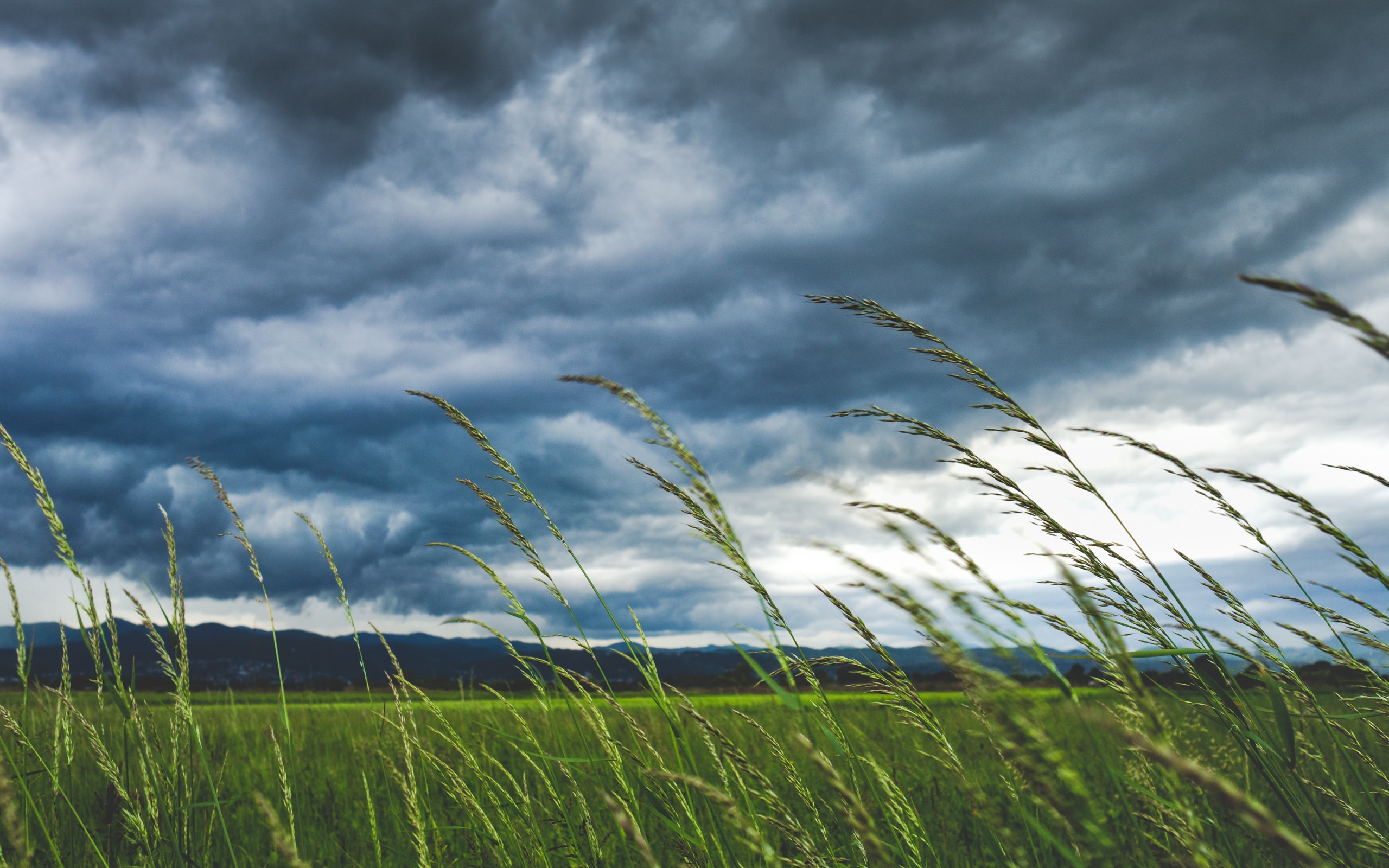
Above average rain is expected in various parts of the country in October-November-December.
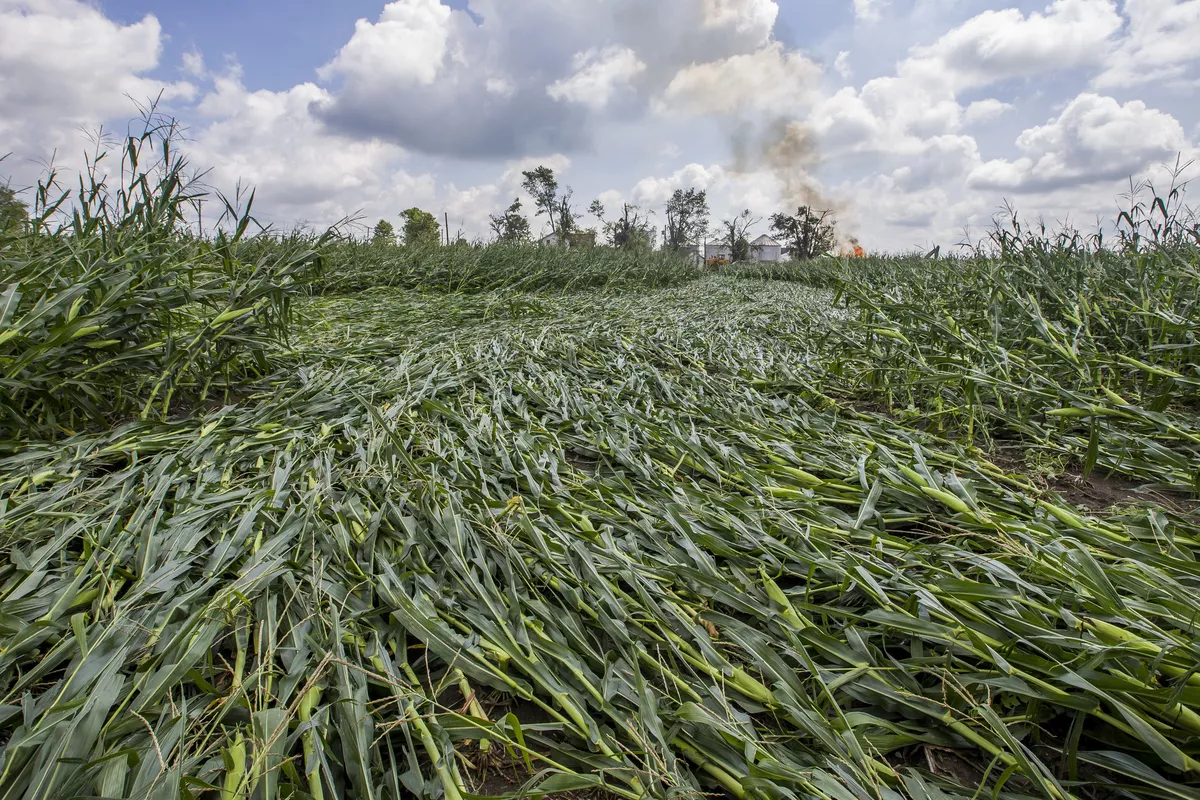
This is expected to lead to floods, post-harvest losses and displacement of communities, according to the latest forecast shared by Kenya Meteorological Department Director Dr David Gikungu.
“The highest seasonal rainfall amounts (greater than 700mm) are normally recorded over the Central highlands,” it said.
Gikungu also indicated that there is a high probability that some counties in the Northeastern region are likely to experience above-average rainfall.
“This will be driven by warmer than average Sea Surface Temperatures (SSTs) over the Central and Eastern Equatorial Pacific Ocean indicating the presence of El Niño conditions. According to most of the global climate models, El Niño conditions are likely to persist throughout the season,” he said.
Gikungu said Siaya, Kisumu, Homa Bay, Migori, Kisii, Nyamira, Baringo, Uasin Gishu, West Pokot, Elgeyo Marakwet, Nandi, Kericho, Bungoma, Kakamega, Busia, Trans Nzoia, West Pokot, Vihiga, Laikipia (Laikipia West), Nakuru and Narok counties will receive rains.
“The expected rainfall is likely to be above the long-term average amounts for the season (enhanced rainfall). The peak of the season is expected in November. The expected rainfall is likely to be poorly distributed in October, and well distributed in November and December,” Gikungu said.
Turkana and Samburu will experience occasional rainfall likely to be above the long-term average.
The expected rainfall is likely to be poorly distributed in October, and fairly distributed in November and December.
Nairobi, Nyandarua, Nyeri, Kirinyaga, Murang'a, Kiambu, Laikipia East, Meru, Embu and Tharaka Nithi will receive rains throughout the season.
Gikungu said Kitui, Makueni, Machakos, Taita Taveta, and Kajiado will also experience rainfall.
Parts of the Northeast (Wajir and Mandera) are likely to experience highly enhanced rainfall.
Mombasa, Tana River, Kilifi, Lamu and Kwale are expected to receive rainfall during the season.
Turkana, Samburu will have onset start in the third to fourth week of October and cessation in the fourth week of December.
The onset of rains in Marsabit, Mandera, Wajir, Isiolo, Garissa and parts of Tana River will be on fourth week of September to first week of October with fair distribution.
Siaya, Kisumu, Homa Bay, Migori, Kisii, Nyamira, parts of Baringo, Uasin Gishu, West Pokot, Elgeyo Marakwet, Nandi, parts of Bomet, Kericho, Bungoma, Kakamega, Busia, Trans Nzoia, West Pokot, Vihiga will have onset on continue as from September.
Rainfall is likely to continue in January.
Sectors set to be affected by the enhanced rains include agriculture and livestock, disaster management, water, health, energy, environment and forestry.
Gikungu said the heavy rains will come with positive and negative impacts.
Harmful effects of enhanced rains include the outbreak of waterborne diseases, increased siltation in dams, landslides, mudslides, destruction of infrastructure.
Landslides are expected in West Pokot, Kericho (Kipkelion West constituency), Elgeyo Marakwet (Keiyo escarpement), Mount Elgon, Narok (Narok South subcounty), Nakuru, Baringo (Baringo North and Central constituencies), sloppy areas of Murang’a county, and areas around Kilungi in Makueni.
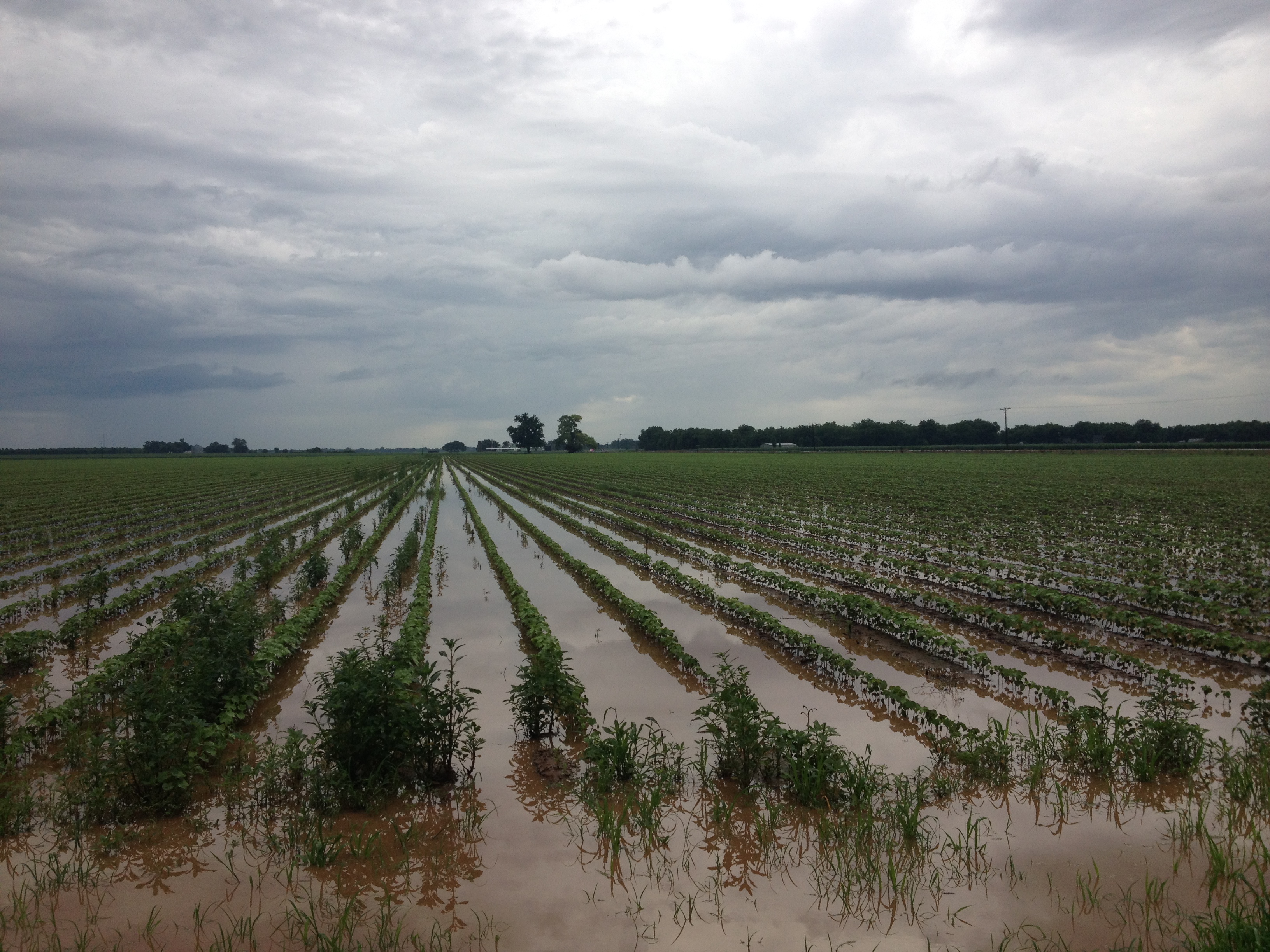
Floods are expected in Western Kenya region along river Nyando in Nyakach, and Nyando, lower areas of River Nzoia, Winam Gulf, and lower River Sondu.
Rift Valley region around Gilgil, Suswa in Narok, Voi town, Mwatate, Tana River delta, Garissa, Lodwar, Lokichar will also have floods.
Flash floods will be prevalent in Northeastern Kenya where there are many seasonal rivers.
Historical data for 1997 and 2006 has been used to pick areas prone to floods and landslides.
Experts have also predicted floods in major towns such as Nairobi, Mombasa, Nakuru and Naivasha.
During the enhanced rains, some small earth dams and pans will be affected.
Other negative impacts of the rains include the spread of pests and diseases, pre and post-harvest losses and displacement of communities.
A spike in vector borne diseases is also expected.
Source - https://www.the-star.co.ke